
Finding good Italian snacks is surprisingly hard if the goal is “real local favorites” rather than tourist food. The good news is that once the basics are clear, spotting the right tray on a bar counter or bakery shelf becomes very simple. This guide goes through the most popular Italian snacks people actually eat day to day, how they’re usually served, and what to look for if you want the real thing rather than a generic slice of pizza with too much cheese.
Street Classics: Pizza al Taglio, Arancini & More
Walk through any Italian city around mid-morning or late afternoon and the pattern repeats: a crowd hovering around a bakery or takeaway window, eating with napkins in hand. That’s where the most iconic snacks live.
Pizza al taglio (by the slice) is the easiest entry point. Rectangular trays of pizza are cut with scissors and sold by weight. Toppings stay simple: margherita, potato and rosemary, courgette flowers with anchovies, or just red sauce and oregano. The base should be airy, light, and a bit chewy, not overloaded with cheese. If the counter is stacked high with thick, bready slices that look like heavy focaccia, that’s usually a sign to move on.
Then there are rice-filled snacks. In Sicily, look for arancini (or arancine, depending on where you are) – breaded, deep-fried rice balls or cones stuffed with ragù, mozzarella and ham, or spinach and cheese. Around Rome, the equivalent slot in the snack universe is taken by supplì: oblong croquettes of rice with tomato sauce and melted mozzarella inside. Supplì are usually smaller and more tomato-heavy than Sicilian arancini.
In the south and around Puglia, panzerotti appear – little half-moon pockets of dough, filled (most often) with tomato and mozzarella, then fried until blistered and just a bit oily in the best possible way. They look like tiny calzoni but feel more like street food than “proper pizza.”
Timing matters. These snacks are made in batches and taste best when still warm but not scorching. If the counter is full of older, slightly deflated pieces and nothing new is coming out of the kitchen, the flavor drops off fast.
Bar Counter Favorites: What Italians Actually Grab With Coffee
Italian bars aren’t just for espresso and cornetti. By mid-morning the glass counter usually fills up with savory snacks that people pick up “al volo” (on the fly) between commitments.
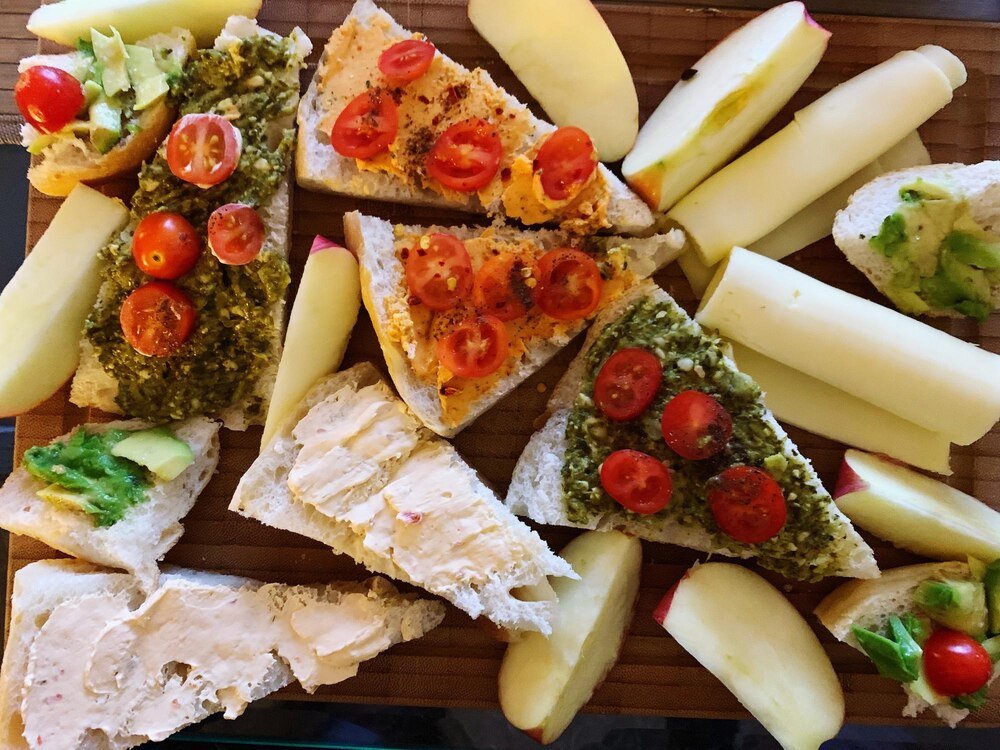
The most common sight is a tray of tramezzini: soft white bread sandwiches, crusts removed, cut into triangles. Fillings vary, but a few combinations show up everywhere:
- Tuna and mayonnaise
- Ham and cheese
- Egg and tomato
- Artichoke and mayonnaise
Good tramezzini look moist but not soggy, with fillings that actually reach the corners. If the bread is curling or drying out at the edges, it has been sitting there too long.
Near the sandwiches, small savory pastries usually appear: rustici (puff pastry pockets with cheese and ham), mini quiches, or little rolls of pizza dough stuffed with salami. In Liguria and some northern regions, the star of the bar counter is focaccia, sometimes plain with coarse salt and olive oil, sometimes topped with onions, olives, or cheese. A square of focaccia and a coffee is a very normal late-morning “snack” that quietly replaces lunch for a lot of people.
Many bars also keep a few filled brioche or savory croissants for those who want something between breakfast and lunch: speck and cheese, prosciutto and brie, or tomato and mozzarella. Not exactly a traditional dish, but absolutely part of modern Italian snack life.
In many Italian cities, a mid-morning stop at the bar is so common that some workers effectively split “lunch” into two light snack breaks: one around 11:00 with a tramezzino, another around 16:00 with an aperitivo plate.
Aperitivo Snacks: Taralli, Chips & Little Bites
Aperitivo is where Italian snacking becomes social. Order a spritz or a glass of wine between roughly 17:30 and 20:00, and some kind of snack usually arrives automatically.
Classic aperitivo nibbles
The basic level is simple but satisfying: a small bowl of patatine (plain potato chips), some peanuts, and maybe a few olives. Many places stop right there. The chips are almost always salted only, very rarely flavored, which makes sense with bitter or aromatic drinks.
Where things get more interesting is with taralli, especially in the south and in bars with a Pugliese touch. These are small, ring-shaped baked snacks, crunchy but not jaw-breaking, sometimes flavored with fennel seeds, pepper, or even red wine. They play the same role as crackers or pretzels, but with more personality.
In slightly more generous bars, the aperitivo plate expands into a mini-buffet on a single dish. Common items include:
- Mini tramezzini or half-sandwiches
- Bite-sized pieces of focaccia or pizza
- Small quiches or savory tarts
- Cheese cubes and a bit of salami
This is where tourists often get confused and treat aperitivo as “free dinner.” It can feel like that in some cities, but typically the drink price is higher and includes all those snacks.
Cicchetti and apericena culture
In Venice, aperitivo takes on a very specific form: cicchetti. These are small, usually bread-based bites displayed on the bar – think of them as Venetian tapas. A slice of baguette with baccalà mantecato (creamed cod), a tiny open sandwich with anchovies, a little skewer of olives and cheese. People stand, order one drink and two or three cicchetti, and move on to the next bar.
Cicchetti are usually paid for individually and chosen directly from the display. Regulars already know what they want and point quickly. The size is intentional: the idea is to snack your way through several flavors while walking between bacari (traditional wine bars), not to sit down and get full in one place.
The modern, more widespread version of this idea is apericena – a hybrid of aperitivo and cena (dinner). Many bars, especially in bigger cities, advertise a fixed price (for example, €10–€15) that includes one drink and access to a buffet of hot and cold dishes. Pasta salads, risotto, meatballs, grilled vegetables, couscous, cold cuts, even desserts end up on the same table.
Purists argue that apericena blurs the line between a snack and a full meal, but for a visitor it can be a very handy way to try multiple everyday dishes in one go. Just don’t expect fine dining quality; apericena is about variety and quantity more than perfection.
Regional Snack Specialties Worth Chasing
Every region has snack foods that rarely cross regional borders but are hugely popular locally. Tracking down a few of these gives a much better idea of how Italians actually eat between meals.
In Liguria, the obvious star is farinata, a thin, golden chickpea flour pancake baked in a wide copper pan. It’s cut into irregular slices and eaten hot, often with black pepper on top. Some bakeries also offer versions with cheese or onions, but the plain one already has a strong, nutty flavor.
In Sicily, apart from arancini, street stands sell panelle – chickpea fritters, usually tucked into a soft roll and sometimes combined with crocchè (potato croquettes). It’s cheap, filling, and eaten standing up in about two minutes.
Travel through Emilia-Romagna and you’ll see people snacking on piadina: thin, flat breads folded around prosciutto, squacquerone cheese, or grilled vegetables. Technically it can be a light meal, but locals happily grab half a piadina as a mid-afternoon bite on the beach or between errands.
In Naples, fried snacks are practically a category of their own. Beyond the world-famous pizza, there’s frittatina di pasta (deep-fried pasta “cake” with béchamel and peas), pizzette fritte (tiny fried pizzas with tomato and basil), and simple zeppole di pasta cresciuta, small fried dough balls often eaten plain with a sprinkle of salt.
- Liguria – farinata, focaccia di Recco
- Sicily – arancini, panelle, sfincione (thick, soft pizza)
- Emilia-Romagna – piadina, erbazzone (savory chard pie)
- Campania – fried pizza, frittatina, cuoppo (paper cone of mixed fried foods)
These are all snacks in the local mindset: eaten quickly, often standing, often replacing a “proper” sit-down lunch or dinner without anyone making a big deal about it.
Sweet Snacks: From Biscotti to Gelato
Italian sweet snacks are not just about dessert after a meal. They pop up mid-morning, mid-afternoon, or late at night when someone “just wants something small.”
Gelato fits that slot perfectly. A small cone or cup is absolutely a standalone snack at almost any hour, especially in warm months. Locals usually choose 2–3 flavors, often balancing one nut-based (pistachio, hazelnut, almond) with one fruit (lemon, strawberry, berry mix) or a classic like stracciatella. The portions are smaller than typical tourist scoops, which helps keep gelato more snack than meal.
For something portable and dry, there are endless biscotti. In Tuscany, cantucci (small, hard almond biscuits) get all the attention, but everyday snacking more often involves simple ring-shaped biscuits, chocolate chip cookies, or shortbread-style cookies dunked into coffee or milk. Supermarket shelves are full of brands like Mulino Bianco and Gentilini, which Italians treat as standard pantry snacks.
Cannoli and sfogliatelle do exist as snacks, especially in the south and in tourist centers, but locals usually reserve them for slightly more “special” moments – a Sunday walk, a visit to relatives, or an afternoon coffee with an excuse. For a more low-key sweet bite, smaller pastries like mignon (tiny versions of standard pastries) are more common: little fruit tarts, single-bite cream puffs, mini éclairs.
There’s also a whole category of packaged snacks known as merendine – individually wrapped cakes that children take to school and adults secretly keep in bags and drawers. Crostatine (mini jam tarts), plumcakes, and chocolate-filled snacks show up everywhere. They are not “traditional” in the romantic sense but are extremely real in modern Italian snacking.
How Italians Actually Snack: Timing & Habits
Snacks in Italy slot neatly into the rhythm of the day, which explains why the same bar looks empty at one hour and packed the next.
When Italians snack
Snacking habits vary by person, but certain windows are almost universal. The first is mid-morning, roughly 10:30–11:30. People who had only a coffee for breakfast or an early cornetto often grab a tramezzino, a piece of focaccia, or a small pastry at this time. Bars know this and refill counters right before that rush.
The second big window is late afternoon, around 16:00–18:00. Children coming out of school get gelato, a slice of pizza, or a packaged snack; adults lean toward coffee and something sweet, or start leaning into aperitivo with savory bites if work is done for the day.
Aperitivo time itself, usually 18:30–20:00, is technically snacking but often drifts into full dinner territory, especially with apericena buffets. Yet most people still think of it as “having a drink with something to nibble on,” even when the plates are loaded.
Late-night snacking exists mostly around nightlife areas: a slice of pizza al taglio, a panino, or some fried snack from a still-open friggitoria. It tends to be simple, salty, and fast, which matches the general theme of Italian snacks across the day.
Ordering like a local
Ordering snacks in Italy is straightforward once the basic pattern is understood. At a bar or bakery with a visible counter, the standard move is to catch the staff’s eye and state both the item and quantity directly: “Un supplì e un tramezzino al tonno, grazie.” Pointing helps, especially in busy places where item names vary.
With street food like pizza al taglio, the size is usually indicated with a hand gesture showing how much to cut. The final price is by weight, which explains why a tiny but heavily topped piece can cost more than a bigger, simpler slice. Asking for “un pezzetto piccolo” (a small piece) is completely normal and won’t annoy anyone.
For aperitivo, ordering works the other way around: the drink is the main request, the snacks follow automatically. Asking “C’è qualcosa da stuzzicare?” (Is there something to nibble on?) can be useful if nothing is visible but the place quietly serves a plate with drinks. In Venice-style cicchetti bars, each piece is usually pointed at and counted out loud, then added to the tab with the drink.
One last detail: eating at the counter vs. sitting at a table. In many places, especially in city centers, table service costs more. Grabbing a snack and eating it at the counter, or just outside the door, keeps the price closer to what locals pay day to day.