
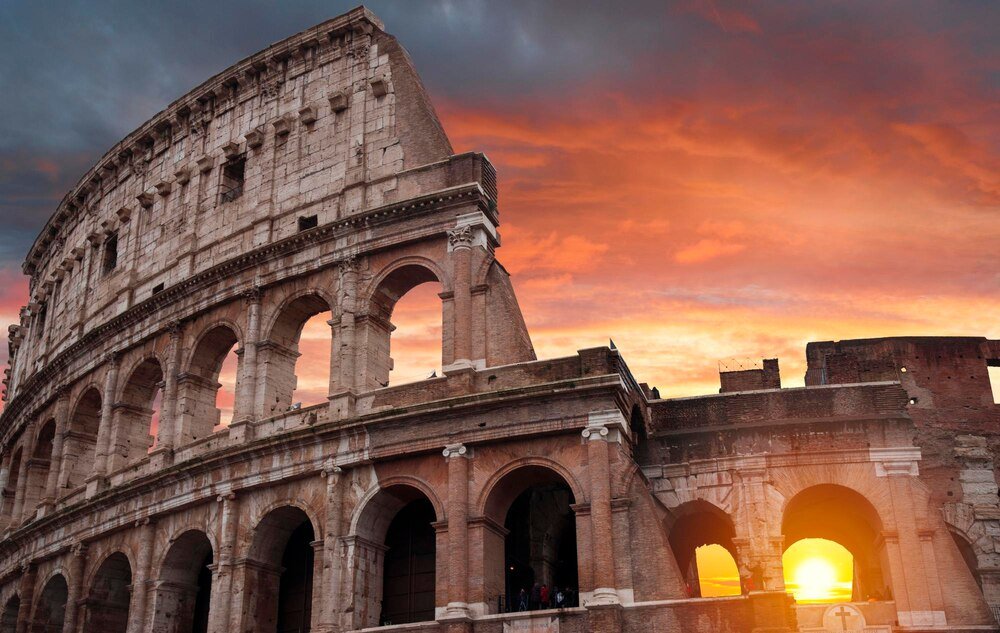
Landing in Rome with limited time and a long wish list can feel overwhelming. Every corner hides a church, ruin, or gelato shop that claims to be “unmissable”. The good news: with a bit of structure, it’s very possible to experience the city without sprinting from sight to sight. Below is a practical overview of things to do in Rome that balances famous landmarks with local, everyday Rome.
1. Start with the Roman classics: Colosseum, Forum, Palatine Hill
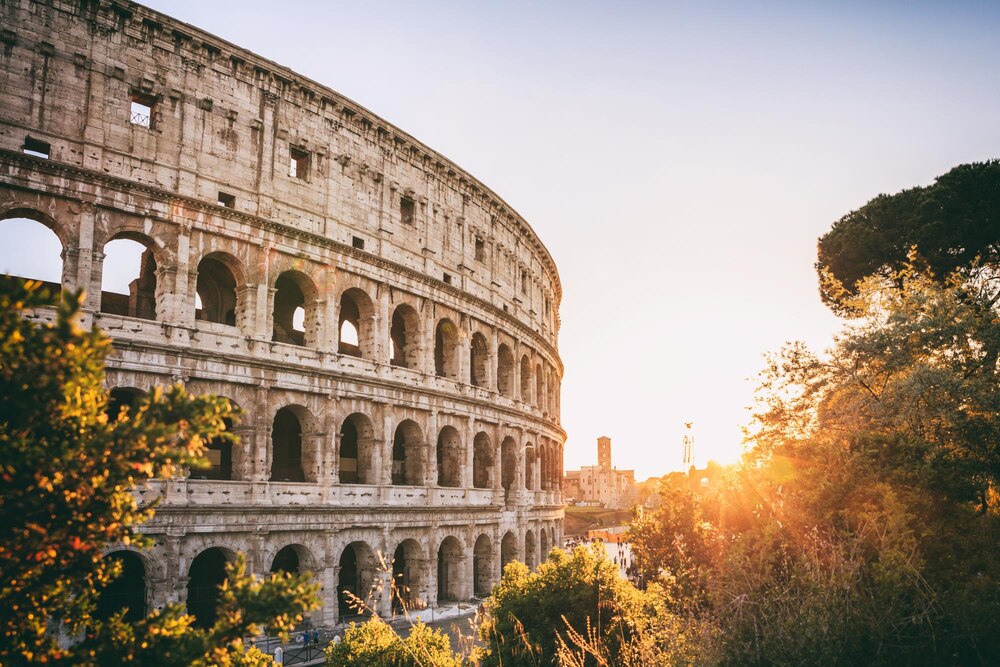
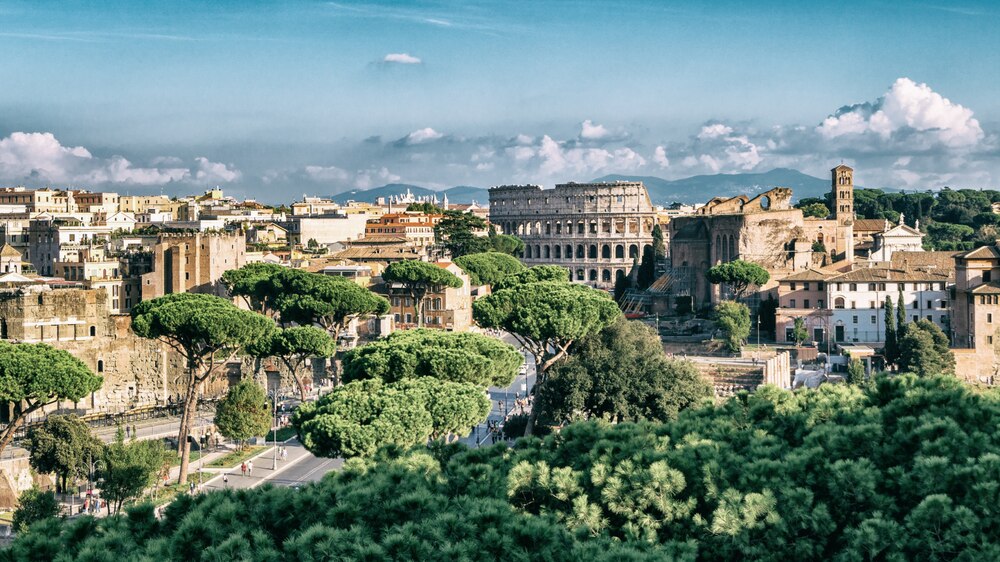
For a first visit, the Colosseum is usually non‑negotiable. Booking tickets in advance saves a lot of frustration, especially in high season. Combined tickets usually include access to the Roman Forum and Palatine Hill, and that combo makes much more sense than just walking around the arena and leaving.
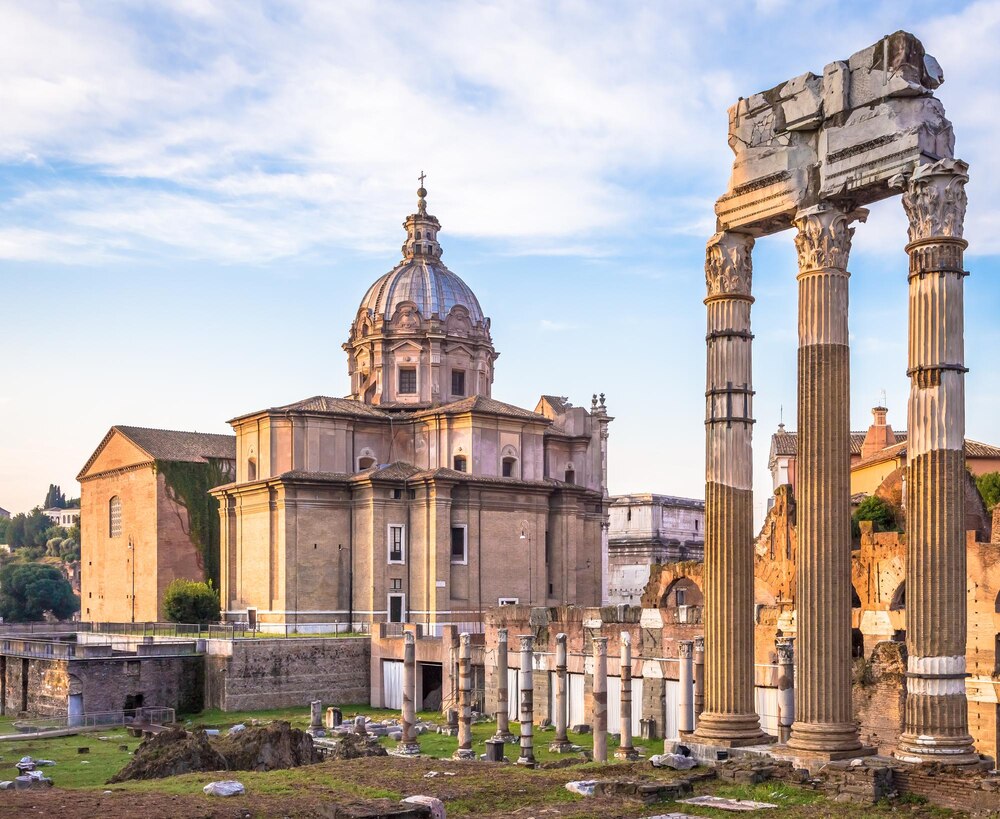
The Colosseum itself doesn’t take that long to visit unless there’s a special tour (like underground or upper tiers). The real time sink is the Forum and Palatine Hill, which are essentially an open‑air museum of ruins and viewpoints. A rough rule of thumb: plan 2–3 hours for the whole complex if walking at a relaxed pace.
For most people, entering the Forum from the Colosseum side and exiting at the Capitoline Hill side works best. It creates a natural route: ancient Rome first, then a smooth transition toward the historic center. Comfortable shoes matter more here than at almost any other site in the city — the ground is uneven, and the sun can be brutal in summer.
The Colosseum is said to have held around 50,000–70,000 spectators during its peak, making it one of the largest amphitheaters ever built.
2. Explore the historic center on foot
The compact historic center is where Rome is easiest to fall for. A basic walking route could connect the Trevi Fountain, Pantheon, and Piazza Navona. These three spots can be done in half a day with plenty of time left for coffee, gelato, and detours down side streets.
The Pantheon is still one of the best “value for effort” visits in Rome. It’s central, quick to see, and architecturally impressive even for people who aren’t normally into history. Since introducing an entrance fee, lines are more controlled but still appear at peak hours. Early morning or late afternoon usually works better.
The Trevi Fountain is almost never empty. For a less chaotic experience, going before 8 a.m. or very late in the evening helps. The coin‑throwing tradition is cheesy but somehow everyone does it — just throw with the right hand over the left shoulder and move on.
Hidden corners near the main sights
Right behind the chaos of the Trevi Fountain, the area turns residential surprisingly quickly. Small streets like Vicolo del Curio or Via della Stamperia give a taste of how central Rome actually lives, with laundry on balconies and tiny food shops.
A few minutes from the Pantheon, the square of Piazza della Minerva with Bernini’s elephant statue and the church of Santa Maria sopra Minerva often feels calmer. It’s a good spot to catch a breath without straying too far from the “must‑see” path.
An underrated stop is Largo di Torre Argentina, the site where Julius Caesar was assassinated. It’s currently being improved for easier visits, and even just seeing it from above gives a strong sense of ancient Rome sitting directly under the modern city.
Walking between these stops is part of the charm. Most distances in the center are 10–20 minutes on foot, and public transport doesn’t save much time on such short stretches. If the day is getting long, taxis in Rome can be hailed at designated ranks or through apps like Free Now.
3. Visit the Vatican: St. Peter’s & Vatican Museums
The Vatican Museums and St. Peter’s Basilica are a big chunk of many Rome itineraries and can easily take up most of a day. For most visitors, the main goal in the museums is the Sistine Chapel, but the route to reach it passes through long galleries full of art, tapestries, and maps. Going in with the expectation of a slow, crowded walkthrough helps avoid frustration.
Pre‑booked timed tickets are practically a must for the museums. Early morning or late entry tends to be slightly less packed, though the Vatican is rarely “quiet”. Audio guides and guided tours are useful here because information is not always clearly presented along the route.
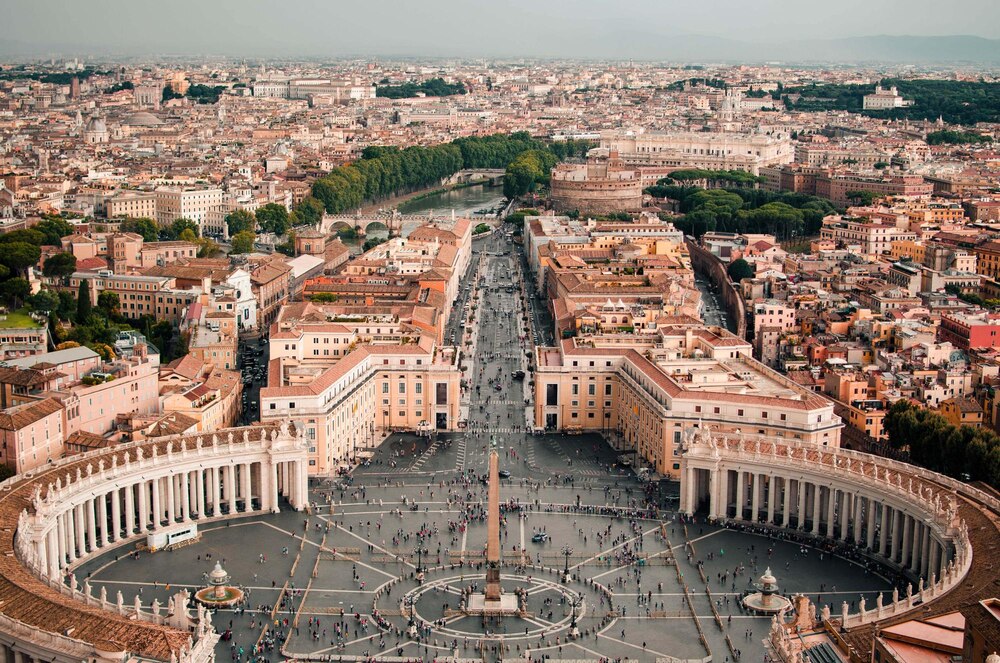
St. Peter’s Basilica is free, but the security line can be very long, especially when museums visitors pour out nearby. A good strategy is to visit the basilica either very early or late afternoon, when the line typically moves faster. The climb up the dome (cupola) costs extra and includes stairs; the panoramic view over the city is worth the effort for many visitors.
- Book Vatican Museums tickets online with a timed slot.
- Dress code: shoulders and knees covered for both museums and basilica.
- Allow at least 3 hours for museums, plus 1–2 hours for basilica and dome.
- Bring water; food options inside are mostly basic and overpriced.
4. Eat and drink like you’re in Rome, not “Italy in general”
Rome has its own way of doing food, and leaning into that makes eating out much more satisfying. The classic local pasta dishes – carbonara, cacio e pepe, amatriciana, gricia – appear on nearly every menu, but quality varies a lot.
Where and when to eat
In very central, touristy areas, restaurants often open earlier and serve all day. In more residential neighborhoods, kitchens typically open for lunch around 12:30–13:00 and for dinner from 19:30–20:00. Arriving right at opening time or booking in advance helps, especially on weekends.
Trastevere is popular for its mix of tourist‑friendly and genuinely good places. It’s lively in the evenings and has a good concentration of trattorias, wine bars, and gelaterias. Just moving one or two streets away from the main piazzas usually increases quality and reduces the “tourist menu” factor.
For a more local feel, the areas of Testaccio, Garbatella, and parts of Prati work well. These neighborhoods have strong food traditions, from simple osterie to modern takes on Roman classics. Weekday lunches here show Rome in “normal life” mode.
Street food is also worth exploring: supplì (fried rice balls), pizza al taglio (pizza by the slice, weighed), and trapizzino (a stuffed pizza pocket) are fast, cheap, and often better than a rushed sit‑down meal in a tourist trap.
5. Go beyond the obvious areas
Once the main boxes are ticked, Rome becomes more interesting when wandering into less talked‑about districts. These spots rarely take a full day each but are ideal for half‑day explorations combined with meals nearby.
Neighborhoods worth a detour
Monti sits very close to the Colosseum but feels more like a village. Narrow streets, small boutiques, and a concentration of wine bars and cafes make it good for late afternoons and evenings. Piazza della Madonna dei Monti is a common hangout spot.
Testaccio has a strong food identity and a lively covered market. Traditional Roman dishes here tend to be more serious and less tourist‑tailored. The old slaughterhouse area (Ex Mattatoio) now hosts cultural events and exhibitions, showing how the city reuses industrial spaces.
EUR, built under Mussolini, looks like a different city entirely: rationalist architecture, wide streets, and the “Square Colosseum” (Palazzo della Civiltà Italiana). It’s not central, but for those interested in 20th‑century history and architecture, it’s a striking contrast to ancient ruins and Baroque churches.
Coppedè is a tiny, surreal pocket of Rome with fairy‑tale‑style buildings, mosaics, and unusual details. It doesn’t require a long visit but works as a nice stop paired with nearby parks or northern neighborhoods.
6. Parks, viewpoints, and slower moments
Rome can be intense. Building in quieter moments makes the city more enjoyable. Large green spaces and viewpoints give the eyes a break from cobblestones and traffic.
Villa Borghese is the main central park, sitting above Piazza del Popolo. Renting bikes or just walking along the tree‑lined paths gives a different side of the city. The Borghese Gallery inside the park hosts a top‑tier art collection, but visits require timed reservations and are capped at two hours per slot.
For panoramic views, several spots stand out:
- Gianicolo Hill (Janiculum): one of the best classic city views, especially around sunset.
- Pincio Terrace: above Piazza del Popolo, easy access from Villa Borghese.
- Orange Garden (Giardino degli Aranci) on the Aventine Hill: small, atmospheric, and romantic without trying too hard.
These viewpoints don’t require tickets and work well as flexible fillers between more structured visits. Grabbing a takeaway coffee or snack and spending 30–40 minutes just looking over the city is often more memorable than cramming in yet another church.
7. Practical tips that quietly make the trip better
Moving around Rome is simpler when a few basics are in place. The metro only has three lines, so buses and trams carry a lot of the load. Tickets for public transport are unified within the city (metrebus system) and can be bought in metro stations, tabacchi shops, and some newsstands. Always validate tickets on buses and trams; checks do happen.
Walking is still the main mode in the center. Distances between major sights are usually shorter than expected when looking at a map. The challenge is more about uneven pavement, heat, and occasional traffic chaos than pure distance.
When it comes to timing, late spring (May–early June) and autumn (late September–October) generally offer the best compromise between crowds and weather. July and August can be extremely hot, and some smaller businesses close in August for holidays, though the main tourist infrastructure stays open.
Cash is less necessary than it used to be. Most restaurants, museums, and shops accept cards, but keeping a small amount of cash for small cafes, markets, and older places is still practical.
Tossed coins from the Trevi Fountain are collected regularly and used to support local charities, turning a tourist ritual into roughly €1 million per year in donations.
Rome rewards visitors who balance big‑ticket sights with slower moments in streets, bars, and parks. Planning the main visits smartly and leaving room for unstructured wandering usually leads to the best memories — not just of monuments, but of the city’s rhythm itself.