
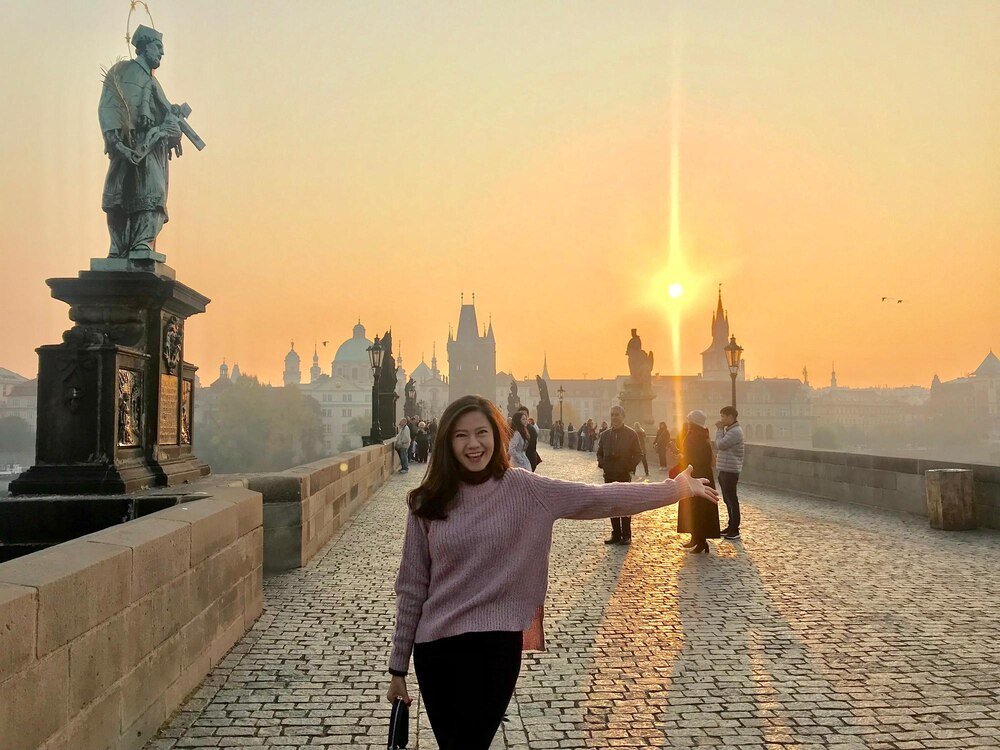
budapest holidays – how to plan an effective city break
Budapest is compact enough for a weekend yet rich enough for a full week. The main problem most visitors face is trying to fit too much into too little time, staying in the wrong area, and wasting hours on transport or sold‑out tickets. With a bit of advance planning, you can turn the city into an easy‑to‑navigate base instead of a stressful checklist.
Use this guide to:
- Choose the right area and hotel for your budget
- Decide how many days to stay and what to prioritise
- Organise transport, tickets and daily routes efficiently
- Avoid common tourist mistakes that cost time and money
decide trip length and best time to visit
1. Fix trip length
- 1 day in Budapest: focus on the Danube, Buda Castle, Parliament area, one bath. Treat it as a highlights tour rather than a full exploration.
- 2–3 days: add thermal baths, Jewish Quarter, ruin bars, Andrassy Avenue, a basilica visit and a few indoor sights.
- 4–5 days: include Margaret Island, museums, markets, an extra boat trip, and time to get lost in side streets and courtyards.
2. Choose season deliberately
- Spring (April–May): mild weather, trees in bloom, good for walking and river cruises without intense heat.
- Summer (June–August): long days, busy baths, high prices, frequent heatwaves. Plan early‑morning and late‑evening sightseeing with shaded or indoor breaks at midday.
- Autumn (September–early November): comfortable temperatures, fewer crowds, colourful parks. Ideal for slower city breaks.
- Winter (late November–December): Christmas markets, thermal baths feel best, short days. Expect cold weather but a very atmospheric city centre.
3. Adjust expectations to length
Do not try to see “everything”. For 2–3 days, plan one main area per half‑day (for example Buda Castle in the morning, Jewish Quarter in the afternoon). This prevents constant back‑tracking across the river and makes the trip feel relaxed rather than rushed.
choose the right area and hotel
Where you sleep determines how much you walk or commute. In Budapest, districts and nearby tram/metro lines matter more than hotel star ratings for city‑break comfort.
1. Understand the key areas
- Pest – inner city (District V): best for first visits, near Parliament, the river and many main sights. Very convenient, with higher prices and a busy feel.
- Jewish Quarter & surroundings (District VII): nightlife, ruin bars, many restaurants. Great if you enjoy evenings out; lively and sometimes noisy at night.
- Grand Boulevard / corvin area (District VIII–IX): good transport, prices typically lower, handy for metro and trams. A practical base if you value value for money and fast links over postcard views.
- Buda riverside (District I & II): scenic, quieter, close to Castle Hill and Danube views. Best for a calmer stay while still being close to the centre.
2. Match hotels to your style
Use these as reference points when comparing options and map locations:
- novotel budapest danube budapest hungary – directly on the Buda riverbank with Parliament views. Good if river scenery is a priority and tram access is acceptable.
- hotel novotel budapest centrum budapest hungary – near major tram lines on the Pest side, practical for moving around the city quickly in all directions.
- mamaison andrassy hotel budapest hungary / mamaison andrassy budapest – on Andrassy Avenue, elegant area, close to Heroes’ Square and City Park, slightly quieter than the inner centre but still well connected by Metro Line 1.
- city hotel budapest hungary, city inn budapest, prater residence hotel budapest – useful mid‑range bases in Pest with good public transport links and easy access to shops and casual dining.
- soho boutique hotel budapest / soho boutique hotel budapest hungary, baross city hotel, bo18 hotel budapest, omega guesthouse budapest, the three corners lifestyle hotel budapest – options close to nightlife, major streets and/or rail links depending on exact address. Check which one matches your need for quiet versus late‑night access.
3. Apply three booking checks
- Open the hotel’s location on a map and check walking distance to metro or tram stops (aim for under 5–7 minutes so you can return easily during the day).
- Read recent reviews filtered by words like “noise”, “transport”, “heating/air‑conditioning”. This reveals issues that photos and star ratings hide.
- Confirm free cancellation if travelling in busy seasons or with uncertain dates, as events and flight times can change.
Always cross‑check the exact hotel name and address. Several properties have very similar names (“city”, “inn”, “residence”) but sit in very different areas, which can mean very different night‑time noise levels and transport options.
plan airport and local transport
1. From Budapest airport to the city
- Pre‑booked shuttle or taxi – best balance of comfort and price for most visitors, especially if you arrive late or with luggage.
- Official taxi rank – use only the licensed company at the terminal; avoid unmarked offers and people approaching you inside the arrivals hall.
- Public bus + metro – cheapest option. Use bus 100E (airport shuttle to centre, special fare) or 200E + metro. Suitable if travelling light and comfortable with basic ticket machines.
2. Use public transport efficiently
- Buy a travel card (24‑hour, 72‑hour or weekly) rather than individual tickets for a city break. It removes the need to validate single tickets each time and usually works out cheaper.
- Download a maps app that shows trams and metros offline, or use the official Budapest public transport app so you can reroute quickly if lines are diverted.
- Rely on Tram 2 for scenic Danube views on the Pest side and Metro Lines 1, 2, 3 for most main areas, including Deák Ferenc tér as a central interchange.
build a practical sightseeing plan
1. Group sights by area instead of by theme
Plan days around zones to avoid constant crossings of the Danube. Seeing several nearby sights in one stretch is more relaxing than jumping from one side of the city to another just because attractions share a topic.
Sample route for one day in Budapest (first‑timer)
- Morning – Buda side
- Walk or take bus up to Buda Castle and Fisherman’s Bastion.
- Allow 2–3 hours for views, photos, a coffee, and a slow wander through the old streets.
- Midday – Danube
- Walk across the Chain Bridge (if open) or take tram/metro to the Parliament side.
- Visit the Shoes on the Danube Bank memorial and take a short break by the river.
- Afternoon – Parliament & inner Pest
- Tour the Hungarian Parliament (pre‑book tickets, especially on weekends and during holidays).
- Stroll through the inner city streets towards St. Stephen’s Basilica, stopping for coffee or cake in a traditional café.
- Evening – river cruise or ruin bar
- Take a 1‑hour evening cruise for illuminated riverfront views and photos of both banks.
- Alternatively, explore the ruin bars in the Jewish Quarter, which come alive after dark.
2. Plan extra days around your interests
- Thermal baths: Széchenyi, Gellért, or smaller local baths. Book online where possible and arrive earlier in the day to avoid the longest queues.
- Culture: Hungarian National Museum, House of Terror, Museum of Fine Arts. Allow at least 1.5–2 hours per museum so you do not feel rushed.
- Relaxation: City Park, Margaret Island, Danube promenade. Mix these into busy days as natural pauses between more intense sightseeing.
- Food and markets: Great Market Hall, smaller neighbourhood markets, food courts and street‑food lanes. Try a simple local dish such as goulash soup, lángos or chimney cake at least once.
handle money, tickets and language basics
1. Organise currency and cards
- Hungary uses the forint (HUF), not the euro. Some central places may accept euros, but the rate is usually poor.
- Use cards where possible; avoid changing large amounts of cash at airport or tourist exchange kiosks with unfavourable rates.
- Withdraw only what is needed from ATMs attached to major banks, not independent ones. Decline dynamic currency conversion and pay in forint when given the choice.
2. Buy key tickets in advance
- Parliament tours
- Popular thermal baths in peak season
- Evening river cruises on weekends
Securing these early protects you from long lines and “sold out” signs at popular times of year.
3. Learn a few useful phrases
- “Köszönöm” – thank you
- “Jó napot” – good day
- “Angolul beszél?” – do you speak English?
English is widely understood in central areas, especially among younger staff in hotels, shops and restaurants, so a few polite words in Hungarian plus clear English usually work well.
avoid common mistakes and problems
1. Underestimating walking distances
Budapest looks compact on the map but days can involve 15,000+ steps easily. Wear comfortable shoes, schedule indoor breaks (cafés, museums, baths), and avoid stacking several hill climbs in one day. Plan at least one slower afternoon, especially in hot or very cold weather.
2. Ignoring opening times
Check exact hours and weekly closing days. Some museums close on Mondays; some churches close during services or special events. Confirm times online the day before visiting so you do not waste time turning up to locked doors.
3. Over‑relying on taxis
Traffic can be heavy, especially at rush hour and around bridges. Use trams and metro for speed and predictability. When taxis are needed, call reputable companies, use official apps, or ask your hotel or restaurant to arrange them to avoid unofficial drivers and price disputes.
4. Neglecting bath etiquette
- Bring flip‑flops, swimsuit, and towel (rental costs extra and queues can be long, especially on weekends).
- Shower before entering pools to follow local hygiene rules.
- Check temperature signs; some pools are very hot, so limit time to several minutes at a stretch and cool down in between.
adapt for different travel styles
Short city break (1–2 nights)
- Stay as central as budget allows (near the river or the inner city) to minimise travel time.
- Limit main sights to Buda Castle, Parliament area, one bath or one cruise, plus a short evening walk.
- Use airport shuttle or taxi both ways to save time that would otherwise be spent figuring out buses.
Family trip
- Choose hotels or apartments with easy access to parks (City Park, Margaret Island) so children have space to run around.
- Include kid‑friendly stops: zoo, circus area, playgrounds in City Park, and shorter museum visits instead of long days indoors.
- Avoid very late‑night areas as a base; look at guest reviews mentioning “quiet for families” and “good sleep”.
Nightlife‑focused visit
- Look near the Jewish Quarter or inner Pest: soho boutique hotel budapest, omega guesthouse budapest, and similar properties often position guests close to bars and late‑night food.
- Plan slower mornings and prioritise flexible tickets rather than timed museum entries so late nights do not cause stress.
summary – key steps for a smooth Budapest holiday
- Fix length of stay and choose season based on weather tolerance, crowds and how much energy you want to spend sightseeing.
- Select accommodation by area and transport links, not only by star rating or photos.
- Arrange airport transfers in advance where possible and buy travel cards for simple, unlimited city transport.
- Group sights by area; for one day in Budapest, focus on Buda Castle, the Parliament zone and the riverfront.
- Pre‑book high‑demand tickets and organise currency sensibly to avoid poor exchange rates and queues.
- Allow for walking distances, regular rest breaks, and at least one thermal bath visit to experience a core part of Budapest life.
Follow this sequence, adjust it to personal interests, and Budapest becomes an efficient, enjoyable capital city break instead of a rushed checklist.