
Why Tenerife’s beaches feel so special
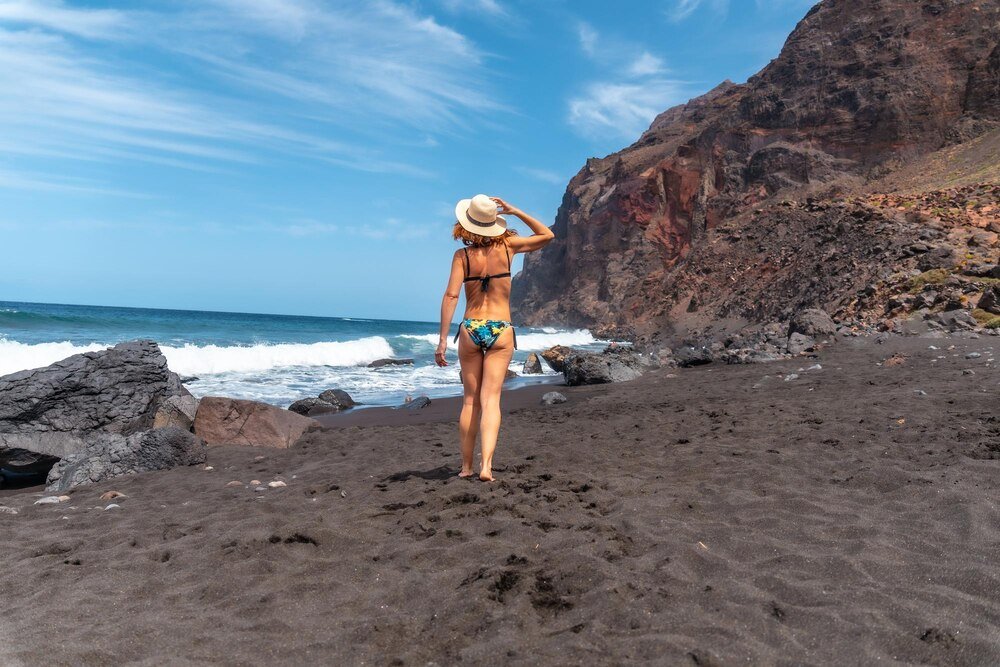
Tenerife, the largest of Spain’s Canary Islands, has a coastline that can feel like several countries in one. On one side, soft golden sand and calm waters seem made for long, lazy days. On the other, wild black-sand coves sit under dramatic cliffs where the waves crash and the crowds thin out.
The island’s volcanic history explains much of this variety. Some shores have natural dark sand created by ancient lava flows. Others, like several of the famous tenerife beaches in the south, have imported golden sand from the Sahara to create more classic holiday postcards with sun loungers, parasols and gently lapping waves.
This mix makes planning a beach day in Tenerife genuinely fun. There is almost always a shore to match any mood: family-friendly, surf-ready, quiet and remote, or glamorous and sociable. The beaches below follow the coast from the busy resorts in the south to the wilder north and hidden corners like Masca, so you can easily picture how they fit into a trip.
Golden sand and calm waters in the south
The south of Tenerife is where many visitors start, and for good reason. The climate is drier and sunnier, the sea is often calmer, and the beaches are set up for easy, stress-free days by the water. If you want to step out of your accommodation and head straight for a sunbed, this is usually the place to be.
Playa del Duque – stylish and sheltered
Playa del Duque might be the most polished of all tenerife spain beaches. It sits in Costa Adeje, backed by elegant hotels and a smart promenade, yet it still manages to feel relaxed rather than over-the-top or overly formal.
The sand here is pale and soft, the water tends to be calm, and breakwaters (stone barriers in the sea) help keep waves small. That makes it very comfortable for swimming and for families with children, as well as anyone who prefers gentle paddling to big surf. Sunbeds and umbrellas line the shore, and there are plenty of cafes and restaurants just behind the sand, so the day can easily drift from swimming to ice cream to leisurely sunset drinks.
This is one of the best choices for those wondering about tenerife where to stay if the priority is a “walk out of the hotel and straight to a beautiful beach” kind of holiday. The surrounding area is made for strolling: boutique shops, landscaped gardens, and a long promenade connecting other nearby beaches, perfect for evening walks or a change of scene without needing a car.
Playa de las Vistas – wide, lively and accessible
Further along the coast between Los Cristianos and Playa de las Américas, Playa de las Vistas is a huge crescent of golden sand with a classic, lively holiday feel. The beach is broad and flat, with a gentle entry into the sea and lifeguards on duty, which makes it popular with families and older visitors who value safety and easy access to the water.
There are good accessibility features here too: ramps, beach wheelchairs (usually in season), and long stretches of promenade with benches and shade. This makes it one of the more inclusive beaches in Tenerife for visitors with reduced mobility. Restaurants and bars line the back of the beach, so food and drinks are never far away, and it is easy to combine a beach day with shopping or a wander through town.
Despite being busy, there is usually space thanks to the size of the bay. For people who like a beach with a bit of noise and movement around – kids playing, vendors passing by, the murmur of conversation – but not full-on party chaos, Playa de las Vistas hits a sweet spot and often becomes a regular stop during a stay.
Playa de Fañabé and Torviscas – sociable twin beaches
Next to Playa del Duque, Fañabé and Torviscas form a long, bustling stretch of sand. Cafes, small shops, water sports stands and beach bars sit right by the promenade, and music often drifts across the shore.
These beaches suit people who enjoy a more sociable atmosphere: groups of friends, couples, families with teenagers, and plenty of activity in and out of the water. Banana boats, jet skis and paddle boards can usually be rented here, so it is easy to turn a quiet sunbathing session into an active afternoon. On clear evenings, the sunsets over La Gomera island can be spectacular, with the sky turning shades of pink and orange as the day winds down.
If you like variety without moving far, this stretch makes it simple to shift from water sports to relaxed cocktails, all within a few minutes’ walk.
Black-sand shores and wild coastline in the north
Head north and Tenerife’s personality changes. The air feels fresher, the cliffs grow taller, and the sea becomes more powerful. The beaches in Tenerife here often have striking black sand and a wilder feel. They are beautiful, but in some spots swimmers need to pay more attention to currents and waves, and local advice is worth listening to.
Playa de las Teresitas – golden curve near Santa Cruz
Technically in the northeast, near the capital Santa Cruz, Playa de las Teresitas is a favourite day trip for locals and visitors staying in the city. This long, golden beach curves gently below the Anaga Mountains, with rows of palm trees and a protected swimming area thanks to a long breakwater.
Although the sand here was brought in, the setting feels very natural. The mountain backdrop, the fishing village of San Andrés nearby, and wide views out to sea make it a pleasant place to spend a full day. Food trucks and simple beach bars keep things relaxed, serving cold drinks, tapas and fresh fish. On weekends and warm evenings it can feel as though half of Santa Cruz has come down for a swim, giving the beach a sociable, local buzz.
For travellers who want a classic sandy beach without leaving the northern half of the island, Las Teresitas is an easy, rewarding choice.
Playa Jardín – beach with a garden backdrop
In Puerto de la Cruz on the north coast, Playa Jardín stands out as one of the most attractive black-sand beaches. The shore is lined with gardens designed by famous Canarian artist César Manrique: winding paths, tropical plants, seating areas and little viewpoints looking over the waves.
The sand is dark and volcanic, the sea can be lively, and the contrast between black shore and white foam is striking in photos. Breakwaters help create slightly calmer swimming areas, though conditions can still change with the Atlantic swell. Facilities are good – lifeguards, showers, changing areas and cafes – making it one of the most user-friendly northern beaches for those curious about volcanic shores but still wanting comfort and services.
The nearby town adds to the appeal: after a swim you can stroll into Puerto de la Cruz for a coffee, a meal or a visit to attractions like the Lago Martiánez pools, turning a simple beach stop into a varied day out.
Playa Benijo – raw beauty at the edge of the island
For a real sense of Tenerife’s wild side, Playa Benijo in the Anaga region feels like the end of the world in the best way. The road down winds through steep green mountains, then the beach itself sits below cliffs, facing open Atlantic swells.
The shore is mostly black sand and rock, with huge sea stacks rising out of the water. It is often too rough for casual swimming, and currents can be strong, so it suits cautious paddling rather than long swims. At low tide there is more sand to walk on; at high tide, waves can reach much of the beach. The reward for the effort is a dramatic landscape and some of the most impressive sunsets on the island.
A few simple restaurants at the top of the cliffs serve seafood and local dishes, often with terraces looking out over the ocean. Many people combine a hike in Anaga with an evening at Benijo, arriving in time to watch the sky turn orange and red over the sea stacks. If your idea of a perfect beach moment is more about scenery than sunloungers, Benijo is hard to forget.
Hidden coves and harder-to-reach shores
Beyond the main resorts and towns, Tenerife hides a number of small coves and more adventurous beaches. These usually demand more effort – a hike, steep path, or rough track – but can feel like small discoveries, especially if you enjoy quieter places and do not mind packing your own supplies.
Masca Beach – wild cove below towering cliffs
Masca Beach Tenerife is one of the island’s most talked-about hidden spots. It sits at the end of the Masca Gorge, a deep ravine cutting through the Teno Mountains in the northwest.
For years, the classic way to reach this small pebble and black-sand cove was by hiking down from the tiny village of Masca, then taking a boat to Los Gigantes. Trail rules and access have changed at times for safety and conservation reasons, so it is wise to check current conditions, whether guides are required, and if boat transfers are running before you set off.
The cove itself is small and can feel wild and remote, framed by high cliffs rising almost straight from the shore. Swimming can be refreshing but the seabed is rocky, and the waves sometimes strong, so water shoes and caution help a lot. Many people now visit by boat trip from Los Gigantes to see the cliffs of Los Gigantes from the sea and stop near the cove for a swim, gaining the atmosphere without the demanding hike.
Masca Gorge and its beach are part of a protected natural area. Access rules can change, especially after heavy rain or during restoration work, so checking local information before planning a visit is essential.
For hikers and nature lovers who do not mind planning ahead, Masca feels like stepping into a wilder, more remote Tenerife.
Playa Los Patos – beloved by locals, tricky access
Playa Los Patos, near La Orotava in the north, is one of those beach Tenerife spots that locals talk about with affection. It is a long, broad black-sand beach that can be stunning on calm days, popular with surfers and those seeking a more natural environment without buildings right on the shore.
However, access has been an issue for years. The path down has suffered from erosion and landslides, and at times authorities have officially closed or restricted access because it is unsafe. Before considering a visit, it is important to get very up-to-date information, as conditions and rules change.
When it is safely reachable, Los Patos feels remote despite being close to towns and banana plantations. There are no services on the beach – no bars, showers, or lifeguards – so those who go usually bring everything they need, from water and snacks to shade, and stay very aware of sea conditions. This is a beach for confident swimmers and self-sufficient visitors rather than a casual family outing.
Paloma Beach and the small southern coves
Not all lesser-known beaches require big hikes. Tenerife Paloma Beach, in Costa del Silencio, is a rocky but well-developed cove fitted with concrete terraces, ladders into the water, and calm conditions thanks to its shape and shelter.
It is not a sandy beach, so it suits people who are happy to sunbathe on platforms and swim straight from rocks into clear water. The atmosphere is generally quiet and relaxed, with a few bars and restaurants nearby and holiday apartments around the bay. It offers a different feel from the big resort beaches, yet remains easy to reach and use, especially if you enjoy snorkelling in clear, sheltered water.
Around the southern coast, small coves and pocket beaches like these sit between the better-known spots. Many are visible from the coastal paths – just look for stairways or paths heading down to the sea from the promenade. Taking a short detour often reveals a tiny cove where you can sit close to the water, listen to the waves and escape the larger crowds for an hour or two.
Choosing the right beach for your trip
With so many options, picking a few beaches in Tenerife to focus on makes planning a lot easier. Thinking about simple questions like “calm or wild?”, “services or solitude?”, and “sand or rocks?” can quickly narrow things down and match each day to your energy level.
For relaxed, easy days with plenty of facilities, the south coast is a safe bet: Playa del Duque, Playa de las Vistas, Fañabé and Torviscas all offer golden sand, calm water and a holiday-town atmosphere. If you are travelling with children, older relatives or anyone who values easy access, lifeguards and nearby cafes, these beaches keep things simple and comfortable.
Those curious about volcanic landscapes and darker sand can head north to places like Playa Jardín or Benijo for a more dramatic setting. Playa Jardín combines black sand with good services, while Benijo delivers the raw, untamed side of the Atlantic. Las Teresitas, meanwhile, offers a golden curve of sand close to Santa Cruz and works well for a relaxed day between city sightseeing and mountain drives.
Travellers interested in more unusual spots might add Masca Beach, Paloma Beach or (if accessible and safe) Playa Los Patos to their lists, accepting that these often come with fewer services and more physical effort. In return, they provide a sense of discovery and a stronger connection to Tenerife’s natural side.
For a classic “local favourite” that is still very accessible, Playa de las Teresitas near Santa Cruz is hard to beat, while Playa de las Vistas and Playa del Duque are ideal for easygoing resort days in the south.
Whatever the choice, one of Tenerife’s strengths is how close very different beaches are to one another. It is possible to wake up on a golden resort shore, spend the afternoon watching waves hit black rocks under green mountains, and be back in time for dinner – all on the same day. With a bit of planning, you can experience several sides of the island’s coastline in a single trip and find the particular stretch of sand (or rock) that feels like your own.