
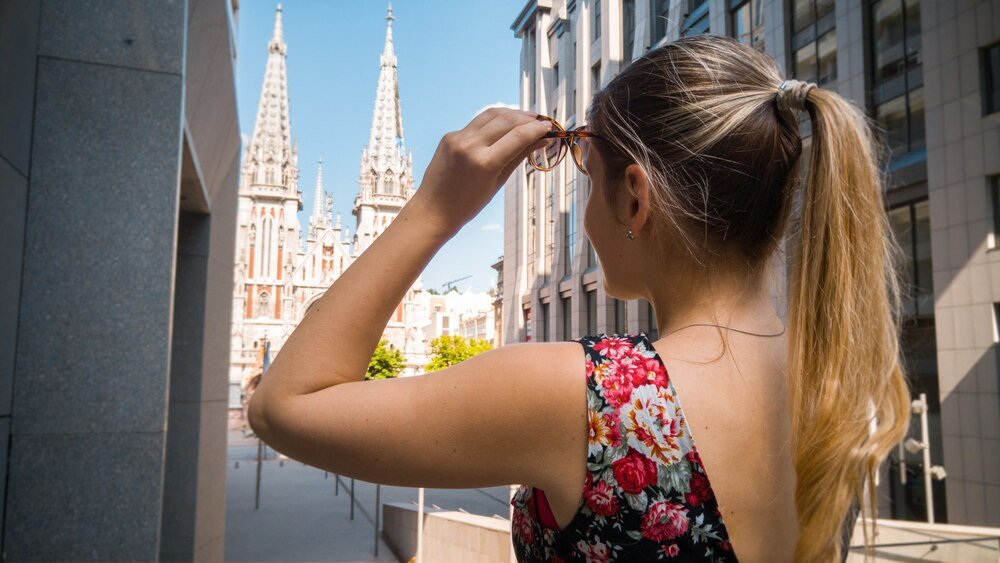
Why beautiful Barcelona captures so many hearts
Barcelona is one of those cities that feels instantly alive. Sea on one side, hills on the other, and in between a mix of Gothic lanes, modernist buildings, street art, food markets and beach bars. It works for first‑time visitors, families, solo travellers, food lovers and museum fans alike.
This guide walks through the top things to see and do in Barcelona, with city tips and itinerary ideas for 1 to 3 days. It keeps to the basics: clear suggestions, simple routes and easy ways to enjoy the city without feeling rushed, so you can focus on experiencing it rather than planning it.
Top sights you shouldn’t miss
If the goal is a short list of top 10 things to see in Barcelona Spain, start here. These are the big sights that usually end up on every postcard and Instagram feed, and for good reason: they show off the city’s mix of creativity, history and everyday life.
1. Sagrada Família
This is usually number one on any list of top ten sights in Barcelona. Designed by Antoni Gaudí, it looks like a fairytale cathedral made of sandcastles and stone trees. Construction started in 1882 and is still not finished, which makes visiting feel a bit like stepping into a work in progress on a grand scale.
Inside, coloured light floods through huge stained‑glass windows onto white stone columns shaped like trees. The ceiling feels like a forest canopy, and the whole space has a calm, otherworldly glow. Even if churches are not usually a priority, this one is different enough to feel more like a dreamscape than a traditional religious building.
Tips:
- Book tickets online with a timed slot, especially in high season, to avoid very long queues.
- Going up a tower gives great city views, but the interior alone is already worth it.
- Early morning or late afternoon light makes the windows even more spectacular.
2. Park Güell
Park Güell is another Gaudí creation and one of the most famous places to explore in Barcelona. Think of it as a fantasy park with mosaic benches, wavy walls, gingerbread‑style houses and views over the city to the sea. It feels playful and artistic at the same time, and the viewpoints are some of the most photographed in Barcelona.
The park has two areas: a paid “monumental zone” with the most famous designs, and free sections with paths and viewpoints that are perfect for walks and photos.
Tips:
- Reserve a ticket and time slot for the monumental zone; access is controlled and often sells out.
- Go early or late to avoid crowds and strong midday sun, especially in summer.
- Combine with a visit to the nearby Gràcia neighbourhood for local cafés and small squares.
3. La Rambla and the Gothic Quarter
La Rambla is the most famous street in Barcelona: a long pedestrian boulevard lined with trees, kiosks and street performers. It runs from Plaça de Catalunya down to the sea and is constantly busy with both locals and visitors.
Just to the side is the Gothic Quarter (Barri Gòtic), a maze of narrow medieval streets, hidden squares and old stone buildings. This area gives a feel for the older part of the city, and it is easy to spend a few hours just wandering between shady alleys, tiny shops and historic façades.
Highlights in the Gothic Quarter:
- Barcelona Cathedral and its peaceful cloister with geese
- Plaça del Rei and Plaça Sant Jaume, two historic squares surrounded by important civic buildings
- Small bars and restaurants tucked into side streets, where you can sit outside and watch life go by
Safety note: La Rambla is crowded and a classic spot for pickpockets. Keep phones and wallets secure, avoid leaving bags hanging on chairs and stay aware of your surroundings, especially in busy areas and on the metro nearby.
4. La Boqueria Market
Right off La Rambla sits La Boqueria, the city’s most famous food market and one of the tastiest things to see in Barcelona. Stalls overflow with fruit, ham, cheese, fresh fish, tapas and colourful sweets, and the sounds and smells make it feel like a small festival of food.
It can feel touristy, but it is still fun and a good place for a quick bite or a first look at local ingredients.
Tips:
- Avoid the very centre aisles if they feel too packed; side aisles are calmer and often more pleasant.
- Many stalls sell ready‑to‑eat cones of jamón, croquettes and fresh juice, ideal if you are short on time.
- Go in the morning for the best energy and freshest produce; some stalls close in the afternoon.
5. Casa Batlló and Casa Milà (La Pedrera)
These two Gaudí buildings are key stops in any list of top 5 attractions in Barcelona. They show how inventive everyday architecture can be.
Casa Batlló looks like a sea creature in building form, with a dragon‑like roof, bone‑shaped balconies and shimmering colours that change with the light. Casa Milà (La Pedrera) has a wavy stone façade and a rooftop full of sculpted chimneys that look like soldiers from another planet, marching in stone above the city.
Both sit on Passeig de Gràcia, one of the city’s main shopping streets, lined with designer stores and other elegant buildings.
Tips:
- If time or budget is limited, pick just one to visit inside. Casa Batlló is more colourful and theatrical; La Pedrera’s rooftop is iconic and offers wider views.
- Evening visits sometimes include light shows or live music on the roof, which can feel more special and less crowded.
- Walking Passeig de Gràcia lets you spot other modernist buildings along the way, not only Gaudí’s works.
6. The Magic Fountain and Montjuïc
The Magic Fountain of Montjuïc puts on sound and light shows in the evenings (check current days and times, as schedules change by season). Water sprays and lights are choreographed to music, and it is a relaxed, family‑friendly way to end a day of sightseeing.
Above the fountain rises Montjuïc hill, home to museums, gardens, an old castle and wide views over the harbour and the city.
On Montjuïc you can:
- Ride a cable car up for sea and city views that stretch all the way to the mountains
- Visit the Museu Nacional d’Art de Catalunya (MNAC) for Catalan art and a balcony with a stunning panorama
- Walk around Montjuïc Castle and look over the port, learning a bit about the city’s military history
Neighbourhoods and local life
The big monuments are only half the story. Part of the charm of beautiful Barcelona lies in its neighbourhoods, each with its own character, rhythms and favourite local spots. Spending time in these areas helps you feel how people actually live in the city, not just how they sightsee.
El Born
El Born feels like a mix of old and new: medieval lanes filled with trendy bars, boutiques, ice‑cream shops and art spaces. It is one of the best areas to see in Barcelona if the goal is atmosphere, independent shops and evening energy rather than big monuments.
Key stops:
- Basilica of Santa Maria del Mar – a peaceful Gothic church with tall, simple lines and a strong sense of history
- Passeig del Born – a lively, narrow square lined with cafés and terraces perfect for an afternoon drink
- Picasso Museum – focused on Picasso’s earlier years and his connection to Barcelona, with works that show how his style evolved
Barceloneta and the beaches
Barcelona’s urban beach is one of its biggest advantages over many other European cities. The Barceloneta area stretches along the sand and is filled with beach bars (chiringuitos), bike paths and outdoor gyms.
Strong sun, lively crowds and warm water in summer make this a good place for a swim, a game of beach volleyball or a long walk along the promenade. In cooler months, it is still a pleasant area for a seaside stroll and fresh air.
Tips:
- Watch belongings carefully; beach theft is common, especially if bags are left unattended while swimming.
- Early morning is calmer for a walk or run, with fewer people and softer light.
- For a quieter beach feel, walk further along to Nova Icaria or Bogatell, which usually have more space.
Gràcia
Gràcia used to be a separate village and still has that feel, with small squares, local shops and fewer big chain stores. In the evening, residents gather in plazas like Plaça del Sol and Plaça de la Vila de Gràcia for drinks and conversation, and children often play in the open spaces while adults talk nearby.
This is a good area if the interest is more “real city life” than tourist hotspots. You can spend a few hours simply moving from one square to another, stopping for coffee, vermut or a simple lunch and watching the daily flow of the neighbourhood.
Food, drinks and everyday joys
Food is a huge part of what to do in Barcelona Spain in 3 days or even in just one afternoon. The city leans heavily on tapas (small shared dishes), fresh seafood and local wine, and eating is often slow, social and relaxed.
Popular foods to try:
- Pan con tomate (pa amb tomàquet in Catalan): toasted bread rubbed with ripe tomato, olive oil and salt, often served as a base for cheese or ham
- Patatas bravas: fried potatoes with spicy sauce and aioli (garlic mayo), a classic on almost every tapas menu
- Bombas: potato balls filled with meat, typical in Barceloneta and usually served with a spicy sauce
- Seafood: grilled squid, clams, prawns and fresh fish, especially in restaurants near the sea
- Crema catalana: a local version of crème brûlée, with a thin caramelised sugar crust and scented custard underneath
For drinks, local vermut (vermouth) served on ice with an olive is a classic pre‑lunch or pre‑dinner option. You will also find plenty of Catalan wines and cava (sparkling wine) on most menus.
Simple food tips:
- Lunch is often later (around 1:30–3:30 pm) and dinner rarely before 8 pm, so plan snacks if you are used to earlier meals.
- Menus del día (fixed‑price lunch menus) are good value on weekdays and a straightforward way to try local dishes.
- In busy central streets, menus in many languages can be a sign of a more tourist‑oriented place; a short menu in Catalan or Spanish can hint at a more local spot.
Itinerary ideas: what to do in Barcelona in 1–3 days
Everyone travels differently, but these simple ideas can help organise the main sights without too much rushing. They cover many of the classic 10 things to see in Barcelona while leaving room to rest, wander and follow your own interests.
What to do in Barcelona in 1 day
With only one day, focus on a few key places instead of trying to see everything. The goal is to get a strong first impression without feeling exhausted.
Morning:
- Sagrada Família (pre‑booked ticket for a timed entry)
- Short walk or taxi to Passeig de Gràcia
- See Casa Batlló and Casa Milà from the outside, and visit one of them inside if there’s time
Afternoon:
- Head to La Rambla and La Boqueria Market for lunch or snacks
- Explore the Gothic Quarter, including the cathedral, small squares and side streets
Evening:
- Walk to El Born for tapas and a drink in a lively but atmospheric setting
- If energy remains, continue to Barceloneta for a stroll along the beach and a look at the sea by night
What to do in Barcelona Spain in 3 days
Three days allow a calmer pace and a more complete look at the city. You can see the main icons, explore a couple of neighbourhoods and still have time to sit in a square doing nothing much at all.
Day 1 – Icons and old town
- Sagrada Família in the morning, when the light is soft and crowds are slightly thinner
- Passeig de Gràcia with a visit inside Casa Batlló or La Pedrera
- Lunch near Plaça de Catalunya, with plenty of cafés and restaurants to choose from
- La Rambla, La Boqueria and Gothic Quarter in the afternoon
- Dinner in El Born, where you can combine a meal with a short evening walk
Day 2 – Gaudí and Gràcia
- Park Güell in the morning (book ahead to secure your preferred time)
- Coffee and lunch in Gràcia, with time to wander its small streets and squares
- Late afternoon visit to another Gaudí site if desired (for example, revisit the one not chosen on day 1)
- Evening drinks in a Gràcia square or back in the centre, depending on where you are staying
Day 3 – Montjuïc and the sea
- Morning on Montjuïc: cable car, castle, MNAC or gardens, depending on your interests
- Lunch near Poble-sec or at the bottom of Montjuïc, an area known for many small tapas bars
- Afternoon at Barceloneta beach or along the seaside promenade for swimming, walking or cycling
- Evening Magic Fountain show (if running) and a relaxed dinner nearby to end the trip calmly
This simple plan touches most of the top 10 sightseeing in Barcelona, while leaving a little space for surprises, naps and extra ice‑cream stops. You can swap days around or add more museum time if that suits you better.
Practical tips and final thoughts
Barcelona is busy, especially in spring and summer, but small choices can make it feel easier and more enjoyable. A bit of planning around tickets, transport and safety lets you relax once you are there.
Getting around
- The metro is fast and simple, with clear colour‑coded lines and frequent trains.
- Walking works well in the centre; many of the main things to see in Barcelona are fairly close together.
- For hills like Park Güell or Montjuïc, consider buses or taxis to save energy and time, especially in the heat.
Staying safe and comfortable
- Pickpocketing is the main concern; use money belts or inner pockets for valuables and keep bags closed and in front of you in crowded areas.
- Sunscreen, a hat and water help a lot in the warmer months, as stone streets and open squares can feel very hot.
- Comfortable shoes are important; there is more stone and slope than it first seems, and you will likely walk more than you expect.
Barcelona gets more than 12 hours of daylight in summer, so sightseeing can be spread between early morning and evening, avoiding the hottest midday hours.
In the end, the best places to explore in Barcelona are a mix of big names and small, personal discoveries: a quiet square in Gràcia, a sunset on the beach, a café in El Born, or a rooftop view after dark. The classic list of ten things to see in Barcelona is just a starting point; the rest comes from wandering, tasting and letting the city’s energy set the pace so that the trip feels like your own version of the city, not just a checklist.