
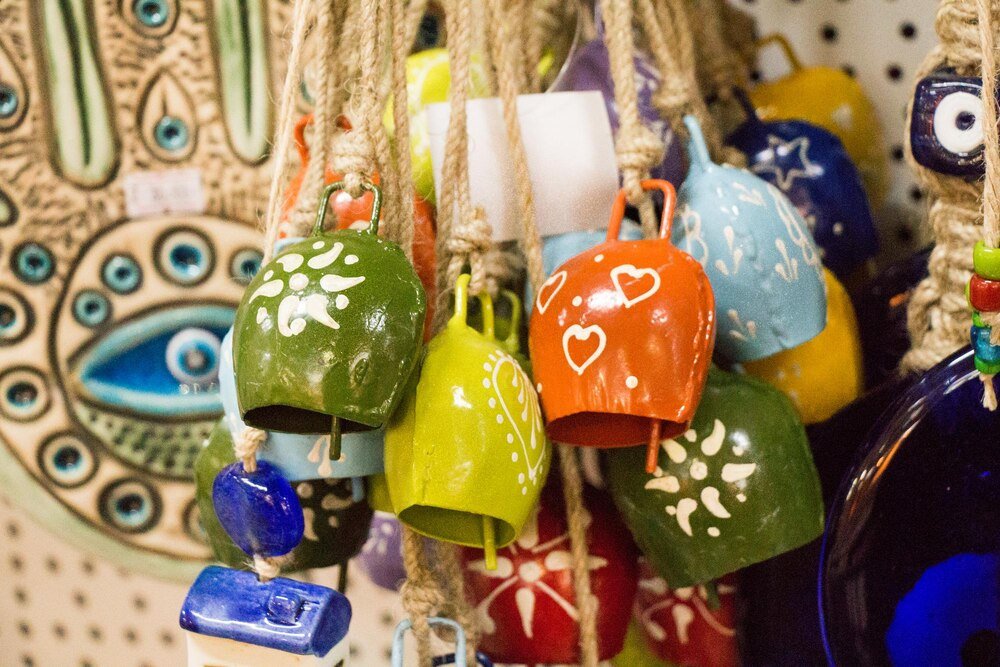
Shopping in Marrakech – What to Buy in the Souks and Medina
Marrakech’s labyrinthine souks and bustling medina form one of North Africa’s most captivating shopping destinations. Behind the ancient red walls of this imperial city lies a treasure trove of handcrafted goods that have been perfected over centuries. From intricately patterned carpets to aromatic spices, the markets offer authentic Moroccan craftsmanship that combines tradition with artistic expression. Navigating these colorful marketplaces requires some knowledge and strategy to find quality items at fair prices.
Understanding the Medina and Souks
The medina of Marrakech, a UNESCO World Heritage site, houses a network of specialized souks (markets) organized roughly by trade. Dating back to the 11th century, this ancient commercial quarter remains the beating heart of Moroccan commerce and craftsmanship.
Each section has its specialty: Souk Semmarine focuses on textiles and clothing, Souk Cherratine specializes in leatherwork, Souk Fekharine offers ceramics and pottery, while Souk Attarine entices visitors with spices and perfumes. The further you venture from the main square of Jemaa el-Fna, the more authentic and reasonably priced the goods become.
Unlike Western shopping experiences, browsing here means meandering through narrow alleyways where artisans often work in tiny workshops adjacent to their shops. This proximity to production provides a rare opportunity to witness traditional crafts being made using techniques passed down through generations.
Essential Moroccan Souvenirs
Carpets and Textiles
Moroccan rugs and carpets represent some of the finest handicrafts available in the medina. Each region produces distinctive styles – from the geometric patterns of Berber carpets to the vibrant colors of urban designs.
When shopping for carpets, examine the knot density (tighter knots indicate higher quality) and ask about the materials used. Wool carpets typically command higher prices than cotton or synthetic blends. Expect to spend significant time if interested in carpets – sellers will unfurl dozens while offering mint tea as part of the traditional shopping ritual.
Beyond carpets, look for handwoven blankets, embroidered table linens, and silk scarves. The colorful wedding blankets (handiras) adorned with sequins make particularly striking souvenirs that can serve as wall hangings or throws in your home, bringing a touch of Moroccan elegance to any space.
Leather Goods
Marrakech’s tanneries produce some of Morocco’s finest leather products. The most famous leather souks sit near Bab Debbagh, where animal hides are still processed using traditional methods dating back centuries.
Popular leather items include poufs (decorative leather ottomans), bags, wallets, belts, and babouche slippers – the traditional Moroccan footwear with pointed toes and no backs. For the best quality, look for supple leather with even coloring and strong stitching. The distinctive leather smell confirms authentic tanning processes rather than chemical treatments.
Ceramics and Pottery
Moroccan ceramics showcase vibrant colors and intricate geometric patterns. The blue and white pottery from Fez (available in Marrakech) features delicate hand-painted designs, while Safi pottery tends toward earthy tones with bold motifs.
Practical ceramic purchases include tagine cooking pots, serving dishes, decorative tiles, and tea glasses. For safe transport, reputable shops can pack fragile items securely, though bringing your own bubble wrap for additional protection is advisable, especially for delicate pieces you treasure.
Spices and Food Products
The aromatic spice markets offer visual and olfactory delights. Beyond the common ras el hanout (a complex spice blend), consider purchasing saffron (significantly cheaper than in Western countries), cumin, turmeric, and preserved lemons for authentic Moroccan cooking at home.
Argan oil – produced exclusively in Morocco – makes an excellent culinary souvenir. For authentic argan oil, check that the bottle lists only one ingredient (argan) and has a nutty scent. Food-grade versions differ from cosmetic varieties, so clarify your intended use when purchasing to ensure you get the right product.
Artisanal Crafts
Metalwork
Marrakech’s metalworkers create stunning pieces from brass, copper, and silver. Traditional lanterns cast intricate shadow patterns when lit, while hammered metal trays and teapots showcase elaborate detailing. For practical souvenirs, consider decorative hooks, small boxes, or hand-mirrors.
When purchasing metalwork, test the weight – heavier items typically indicate thicker, higher-quality metal. Examine joints and seams for craftsmanship, particularly on hinged items like lanterns where quality construction matters most for longevity.
Woodwork and Furniture
Cedar and thuya wood products represent exceptional Moroccan craftsmanship. Intricately carved boxes, chess sets, and furniture pieces feature geometric patterns or floral motifs. Thuya wood, with its distinctive burled appearance, grows only in Morocco, making these items particularly special souvenirs with genuine provenance.
For larger furniture pieces like tables or screens, shipping services are available, though costs can be substantial. Smaller wooden items make more practical purchases for travelers with limited luggage space, offering the same beautiful craftsmanship in portable form.
Navigating the Shopping Experience
Bargaining Etiquette
Haggling remains an essential part of the Marrakech shopping experience. The initial price quoted typically exceeds the actual value by 30-70%. Begin by offering approximately one-third of the asking price, then negotiate toward a middle ground.
Successful bargaining requires patience, good humor, and willingness to walk away. Showing genuine interest in craftsmanship often leads to better prices than aggressive haggling. Remember that the goal is a fair price that respects both your budget and the artisan’s work – a mutually beneficial transaction that honors the cultural exchange.
Quality Assessment
Distinguishing authentic handcrafted items from mass-produced imitations requires attention to detail. Handmade goods typically show slight irregularities that indicate human craftsmanship rather than machine precision. Ask vendors about production methods and materials – knowledgeable sellers willingly share information about their products with enthusiasm.
For certain categories like carpets or silver, consider visiting a government-regulated artisanal center where quality standards are maintained, though prices may be higher than in the souks. These centers often provide certificates of authenticity for more significant purchases.
Practical Shopping Tips
Morning shopping provides cooler temperatures and more attentive service before the afternoon crowds arrive. Carrying cash (Moroccan dirhams) remains essential, as credit cards are accepted primarily in upscale shops with corresponding markups.
For bulky or fragile purchases, shipping services exist, though costs vary significantly. Alternatively, some hotels offer temporary storage for purchases until departure. Always collect business cards from shops to facilitate returns if needed or to recommend to friends later.
The most rewarding Marrakech shopping experiences often happen away from the main tourist paths. Venture deeper into the medina where locals shop, and prices reflect true market value rather than tourist premiums. These hidden corners often reveal unique treasures and more authentic interactions.
With patience, curiosity, and respect for local traditions, shopping in Marrakech’s medina becomes not merely a transaction but an immersion in Morocco’s rich cultural heritage – each purchase telling a story that continues long after returning home, connecting you to centuries of craftsmanship and artistic tradition.