
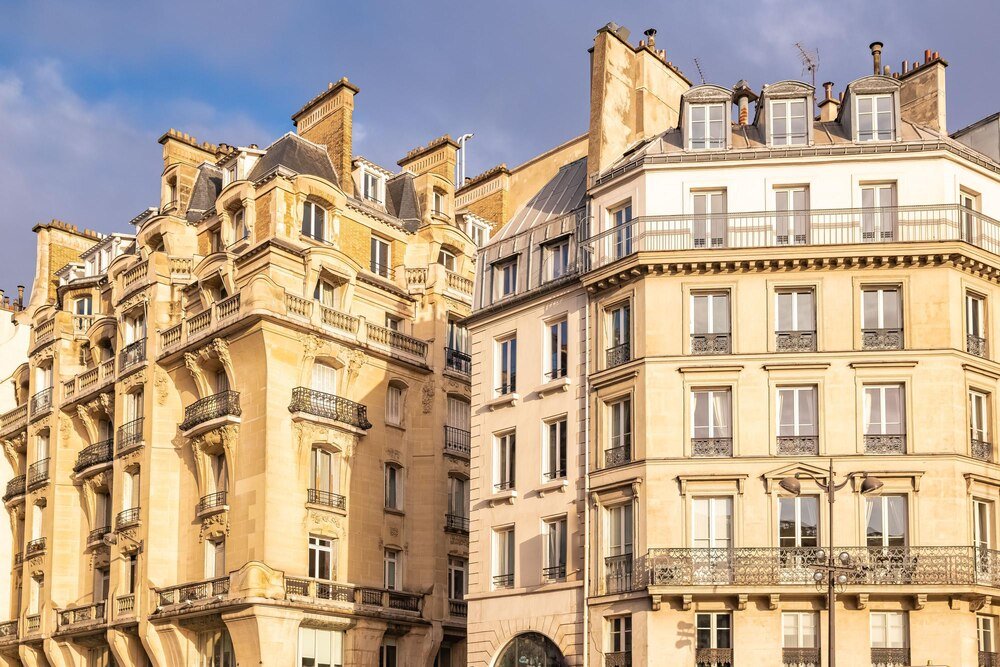
In Paris, the usual rule is simple: stay as central as possible to waste less time on transport. The exception is that some slightly off-center neighborhoods offer better atmosphere, lower prices, and far fewer tourist traps than the postcard core. Choosing the right base shapes how the city feels: morning coffee routes, evening walks, even how safe and relaxed nights feel. Below is a practical look at the 10 best neighborhoods in Paris, with clear pros, cons, and who each one suits best.
How to Choose Your Paris Neighborhood
Before picking a district by name, it helps to think in terms of daily rhythm rather than sights. Staying next to a major monument looks good on a map; staying where locals actually go out in the evening usually feels better in real life.
Three simple filters narrow things down quickly:
- Travel style: museum-heavy, food-focused, nightlife, or slow, neighborhood wandering.
- Budget: the closer to the Seine in the central arrondissements (1–7), the higher the prices, with a few exceptions.
- Noise tolerance: big boulevards and bar streets stay loud until late; small side streets with cobblestones are much quieter.
In Paris, distance on the map often lies: a place can be “close” in kilometers but feel far in practice. Metro connections and walkability matter more than raw distance.
With that in mind, here are the most reliable areas that consistently work well for visitors, ordered by type of experience rather than arrondissement number.
Historic Center: For First-Time Visitors
This is the compact core around the Seine, the Louvre, and the islands. It is expensive and busy, but unbeatable if the goal is to walk almost everywhere.
Louvre & 1st Arrondissement
The 1st arrondissement is the definition of central: Louvre, Tuileries, Palais Royal, and super quick access across the river to Saint-Germain and the Latin Quarter. For a first stay focused on classic sights, it almost feels like cheating.
Upsides are clear: walking to the Louvre in under 10 minutes, quick metro links (lines 1, 7, 14), and a solid feeling of safety late at night on the main axes. The architecture is grand and formal, with arcades, wide boulevards, and manicured gardens.
The trade-off: it can feel somewhat business-like and polished rather than “neighborhood-y.” Many places close earlier at night except around the big avenues and tourist areas, and everyday shops are sprinkled in between luxury boutiques instead of lining every street.
This area suits travelers who want a short stay, dense sightseeing, and minimal commuting, and who are fine paying more for that privilege.
Le Marais (3rd & 4th)
Le Marais is the easiest recommendation for those wanting both centrality and character. It straddles the 3rd and 4th arrondissements: medieval streets, beautiful private mansions, independent boutiques, and one of the city’s most active LGBTQ+ scenes.
Days feel relaxed: cafés, galleries, falafel on Rue des Rosiers, and people-watching in Place des Vosges. Evenings bring energy, especially around Rue Vieille du Temple and Rue de Bretagne, without the chaotic feel of heavy nightlife districts.
Hotels and apartments here are not cheap, but there is a wide range and many smaller streets stay surprisingly quiet at night. It works very well for mixed groups or couples who want a bit of everything—history, food, shopping, and easy walks to the islands and the Seine.
Saint-Germain-des-Prés (6th)
Saint-Germain-des-Prés in the 6th arrondissement is the classic “Paris of the imagination”: literary cafés, art galleries, and narrow streets spilling onto the river. It is elegant without being as stiff as the Champs-Élysées side of town.
This is a safe, polished, and very walkable base. The Jardin du Luxembourg, the Seine, the Louvre, and the Latin Quarter are all within 10–20 minutes on foot. The restaurant scene leans traditional (brasseries, bistros) with some high-end modern places mixed in.
Prices match the reputation. Rooms are often small and expensive, and the area feels more affluent than bohemian these days. For travelers wanting a romantic, central, and refined experience without heavy nightlife, Saint-Germain works extremely well.
Lively and Bohemian: For Night Owls and Students
Several neighborhoods mix historic charm with a younger, sometimes louder, energy. They are perfect for those who care more about evening atmosphere than postcard views from the window.
Latin Quarter & Sorbonne (5th)
The Latin Quarter wraps around the Sorbonne and the Panthéon on the Left Bank. Historically student-heavy, it blends bookshops, cheap eats, and older institutions like the Jardin des Plantes and the Cluny Museum.
On the map, it is one of the best spots in the city: very central, easy metro access, short walks to Notre-Dame, the islands, and Saint-Germain. Around the Seine, some streets are extremely touristy with menus in six languages and aggressive touting—those are best avoided as a base.
The nicer stays are usually a bit uphill toward the Panthéon and the quieter backstreets. This area suits travelers who like a slightly scruffier, more student-driven vibe, do not mind evening noise, and value quick access to both the Left and Right Banks.
Bastille (11th & 12th)
Bastille sits at the intersection of the 11th and 12th arrondissements and has become one of the city’s nightlife anchors. Think bars, small venues, late-opening restaurants, and a younger crowd that actually lives and goes out here.
Areas around Rue de la Roquette and Rue de Lappe stay busy (and noisy) late into the night. A few streets away, it turns more residential and calmer but still full of cafés and bakeries. The Marché d’Aligre, one of Paris’s best food markets, is within reach, adding a local, everyday flavor.
Metro links (lines 1, 5, 8) make crossing the city fairly painless. Bastille works best for those prioritizing nightlife and food over immediate proximity to major monuments, and for travelers willing to accept some late-night street noise in exchange for energy on the doorstep.
Village Feel and Local Life
Further from the geographic center, a few districts feel like small towns folded into the city. They are ideal for longer stays, food lovers, and repeat visitors who already ticked off the main sights once.
These areas typically offer better value for money, more space, and a closer look at everyday Parisian routines.
Canal Saint-Martin (10th) has become a magnet for younger Parisians on weekends: picnics by the water, indie boutiques, natural wine bars, and relaxed cafés. The canal itself is charming, and the surrounding streets have a creative, sometimes slightly gritty, edge. It is less polished than the center but full of life. For travelers who love café-hopping and people-watching more than museums, this is an excellent base.
Montmartre (18th) is technically crowded with tourists near Sacré-Cœur, yet step a few blocks away and the “village” feeling becomes real: steep streets, small squares, and old apartments clinging to the hill. The upper part of Montmartre has lovely views and quiet residential pockets, but daily life involves stairs and slopes. The lower parts near Pigalle bring more nightlife, neon, and some seedier strips—good for night owls, less so for families wanting calm.
Batignolles (17th) is less famous abroad but beloved by many locals. Centered around Square des Batignolles and the surrounding streets, it feels like a self-contained neighborhood: markets, bakeries, wine bars, and plenty of families. It is not walkable to the big sights, but the metro makes things manageable. This area suits those planning a slower-paced stay, cooking a bit at home, exploring parks, and dipping into the center rather than camping in it.
When a “Village” Area Works Best
Neighborhoods like Canal Saint-Martin, Montmartre, and Batignolles suit certain types of trips more than others. A short 2–3 night whirlwind stay is usually better served by more central districts. Once the trip stretches to 5 nights or longer, the benefits of local life start to outweigh the extra metro time.
Families with children often appreciate access to parks and playgrounds, less traffic, and markets to stock up on food. Remote workers appreciate calmer streets and cafés where laptops do not raise eyebrows. Repeat visitors who have “done” the main museums can easily spend days just wandering these neighborhoods.
The main compromise is commute. Expect 20–30 minutes to reach heavy-hitter sights like the Louvre or the Musée d’Orsay. For those who prefer to spend most evenings in one area and accept that trade-off, the village neighborhoods are extremely rewarding.
Elegant, Quiet, and Classic
Some neighborhoods lean more residential and refined—less nightlife on the doorstep, more postcard streets and big landmarks. These are strong options for those wanting calm, structure, and a sense of safety, especially in the evenings.
7th Arrondissement (Eiffel Tower & Invalides) is exactly what the name suggests: a cluster of grand Haussmann buildings, embassies, ministries, and of course the Eiffel Tower itself. Not every street has a view of the Iron Lady, but walking past it on the way home never loses its charm. The area feels safe, upscale, and fairly quiet once away from the tower’s immediate surroundings.
The trade-offs: prices are high, nightlife is limited, and reaching more vibrant dining areas often means a metro ride or a decent walk across the river. For couples seeking a calm, scenic base and families wanting predictability and open spaces (Champ de Mars, Esplanade des Invalides), this district works extremely well.
Opéra & Grands Boulevards (9th) offers a more urban, energetic version of elegance. Home to Palais Garnier and the big department stores (Galeries Lafayette, Printemps), it is excellent for shopping and transport, with many metro lines converging nearby.
The streets are busy with offices by day and restaurants and theaters by night. Some smaller streets behind the grands boulevards feel wonderfully local, full of bistros and small bars, while main axes stay bright and crowded until late. This area suits travelers who want a well-connected, active neighborhood that still feels central, but who do not need the Seine right outside the door.
- Best for landmark views and calm: 7th (Eiffel Tower)
- Best for shopping and shows: 9th (Opéra & Grands Boulevards)
- Best for “classic postcard” walks: 1st, 4th, 6th
- Best for nightlife and food: 11th, parts of 10th & 18th
Choosing between these districts is less about finding the single “best” neighborhood and more about matching the area’s natural rhythm with the trip’s priorities. Central and iconic, village-like and local, or elegant and quiet—all of them can work wonderfully when the expectations line up with the street outside the front door.