
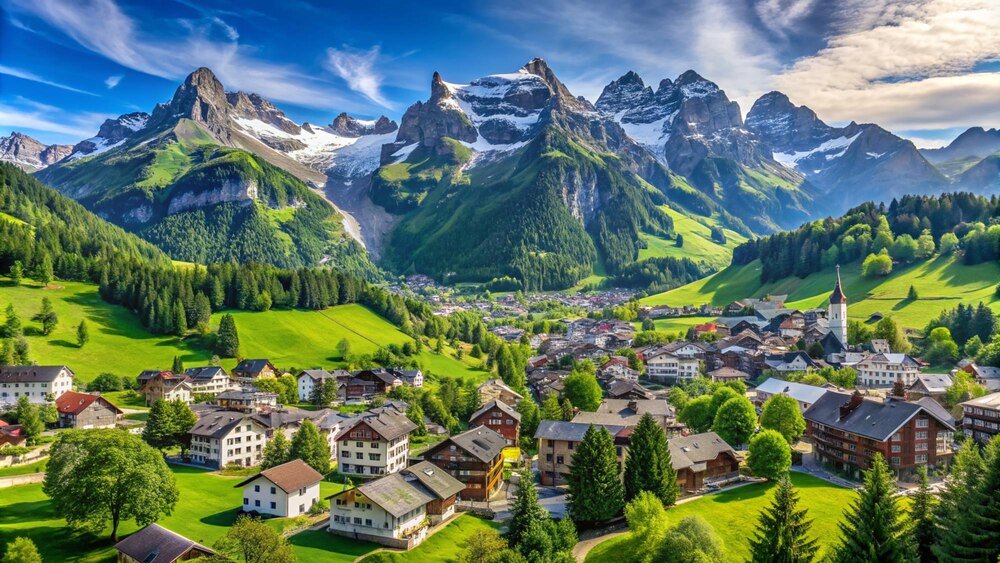
Most countries follow a simple rule: the more comfortable they are to live in, the more boring their story tends to be. Switzerland is the exception that refuses to fit that pattern. This small, mountainous country manages to be incredibly stable without feeling stale, wealthy without being flashy, and fiercely local while staying deeply international. The reasons run deeper than postcard views and chocolate, and understanding them explains why Switzerland regularly ranks near the top of global quality-of-life lists.
1. Political Stability Built on Direct Democracy
Switzerland’s stability is not an accident or a branding exercise. It comes from a political system that structurally forces compromise and keeps power on a short leash.
First, there is the famous direct democracy. Citizens do not only vote every few years for politicians; they regularly vote on concrete issues. Laws passed by parliament can be challenged by a referendum, and citizens can propose constitutional changes if they collect enough signatures. That sounds slow and bureaucratic, but in practice it creates something rare: legitimacy. When people literally vote on a law, even the losing side tends to accept the result.
Second, Switzerland runs on a consensus model. The main parties share power in a “magic formula” where seats in the Federal Council (the collective head of state) are distributed based on their strength in parliament. This makes it very hard for one extreme to dominate and very easy for the political center to hold. The downside is some inertia; the upside is no political whiplash every four years.
All this operates inside a strong federal system. Cantons (the member states) control a big chunk of taxation, education, and local regulations. This decentralization keeps politics close to everyday life. If the school system in Zurich works differently from the one in Vaud, that is not a bug, it is the design. People can “vote with their feet” by moving to a canton that fits them better, without leaving the country.
Switzerland has four official languages, 26 cantons, and no single dominant capital city, yet remains one of the most politically stable democracies on the planet.
The result is boring headlines and very exciting statistics: low corruption, low political risk, predictable rules. Businesses love that, but so do regular residents who simply want to plan their lives more than a few months ahead.
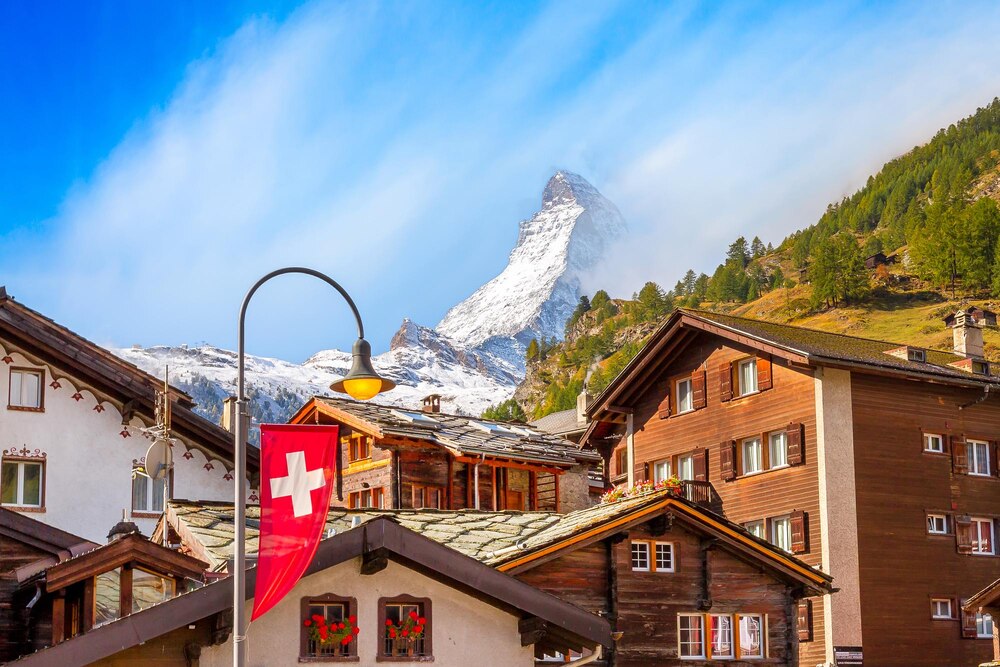
2. A Balanced Economy: High Wages, Strong Currency, Real Work-Life Balance
The Swiss economy is often described as “rich”, but that word misses what actually makes it work: balance. High incomes are matched by high costs, a strong currency comes with painful export challenges, and productivity is paired with an insistence on free time.
High incomes, high prices, and why it still works
Swiss wages are among the highest in the world. A supermarket cashier or train conductor typically earns far more than their counterparts in most European countries. This is not because employers are especially generous; it is because the system all but forces them to be.
Living costs are brutal in some areas. Rents in cities like Zurich or Geneva can make even London residents raise an eyebrow. Eating out regularly is a luxury for many families. Health insurance is mandatory and can feel like a second rent. There is nothing romantic about paying a few francs for a simple coffee.
Yet the balance of income versus costs usually works out in favor of residents who earn locally. Purchasing power remains high, savings are feasible, and even middle-class workers can afford things that are out of reach in many countries: high-quality childcare, safe housing, frequent travel inside Europe. Those earning Swiss salaries but not trying to live an Instagram lifestyle can build solid financial security.
This model filters down to social relations. Low-paid jobs are not as low-paid as elsewhere, which narrows the gap between “white-collar” and “blue-collar” life. A nurse, an electrician, and a bank analyst may all live in the same building and use the same public transport, and nobody finds that odd.
A currency people actually trust
The Swiss franc (CHF) is one of those currencies traders flock to in times of global panic. That reputation as a “safe haven” brings benefits and headaches. A strong franc makes imports cheaper and protects savings from inflation, but it also makes Swiss exports more expensive.
The way the country deals with this says a lot. The Swiss National Bank is active and unapologetic when defending price stability, even when that annoys neighbors. There is a cultural memory of what unstable money does to societies, and that memory is kept alive by policy, not just stories.
For residents, this stability is almost invisible day to day. Salaries hold their value. Long-term contracts in francs feel safe. Retirement planning is not a wild guess based on future currency swings. For immigrants sending money to families abroad, the strong franc can be a powerful tool for support.
There is a trade-off: tourism and export industries are permanently under pressure to increase efficiency instead of relying on weak currency advantages. In the long run, that pressure pushes companies toward higher value-added products and services, which loops back into high wages and solid employment.
Work-life balance that is not just a slogan
Plenty of countries like to talk about work-life balance. Switzerland quietly writes it into the rhythm of daily life. The official working week is often around 40–42 hours, and overtime is more regulated than celebrated. Late-night emails and “always on” cultures exist, but they tend to be the exception rather than the rule.
There is a clear respect for free time. Shops close early in the evening and on Sundays in much of the country, which can frustrate newcomers but protects shared downtime. Sunday remains a day when the streets feel different: fewer deliveries, more families out walking, an almost old-fashioned quiet in many neighborhoods.
Vacations are taken seriously. Four weeks of paid annual leave is a common baseline, often more. People actually use it, and nobody is impressed by bragging about never taking time off. This lowers burnout levels and keeps productivity high; a rested workforce tends to make fewer mistakes.
Crucially, work and leisure are physically close. Within an hour of many urban centers, residents can be on a lake, in the forest, or halfway up a mountain. There is no need to wait for a rare long holiday to disconnect. A few hours on a hiking trail after work does the job.
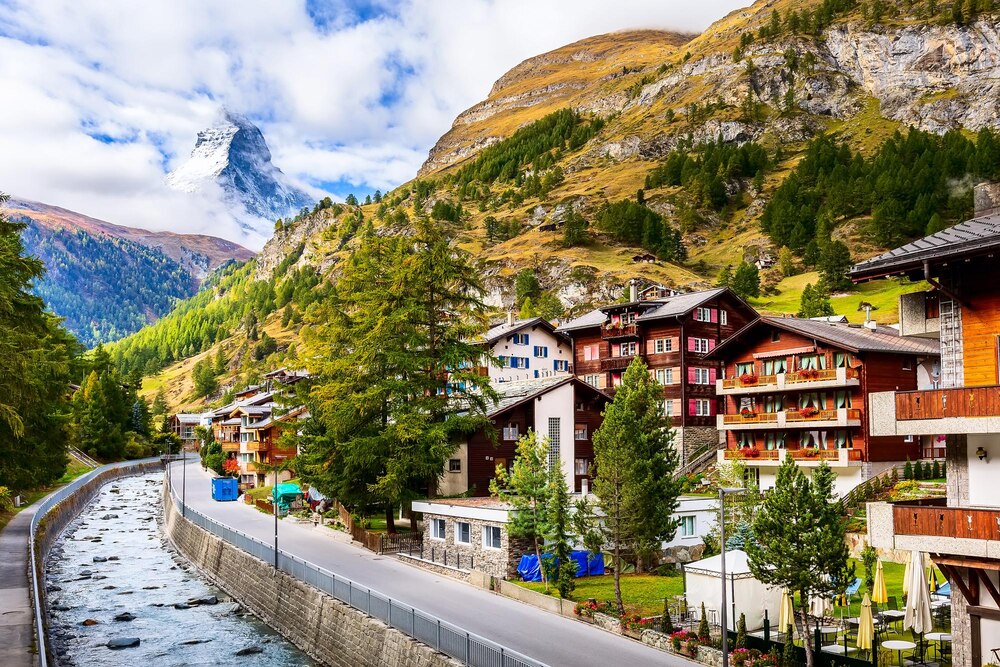
3. Everyday Quality of Life: Trains, Tidy Streets, Quiet Nights
Switzerland’s reputation for order and punctuality did not appear by accident. It is baked into infrastructure and daily expectations rather than pushed as a moral rule.
Public transport that just works
The cliché about Swiss trains being on time exists because most of the time, they are. Delays happen, storms happen, life happens, but in general the system runs with impressive reliability. More importantly, the entire network—trains, buses, trams, boats—is coordinated like a single organism.
Timetables are designed around the concept of regular “pulses”: trains arrive at hub stations at the same minute past the hour, connecting buses wait, and everything fans back out. Missing a connection does not mean being stranded for hours; another option is usually on the way soon.
Owning a car certainly makes life easier in remote areas, but in cities and many towns it is almost a lifestyle choice rather than a necessity. Monthly passes cover multiple modes of transport and sometimes multiple regions, turning the whole system into something like a moving, shared utility.
This reliability shapes daily habits. People plan social events, work meetings, and even mountain hikes around precise train schedules, and those plans usually work. That lowers daily stress in a way that quickly becomes invisible, right up until a trip to a less organized system reminds everyone what they are used to.
Safety, order, and the famous “quiet hours”
Crime levels in Switzerland are relatively low, especially violent crime. Walking home late at night in many cities feels normal rather than risky. Children gain independence earlier, taking public transport alone or walking to school in groups. This trust in public space creates a very different atmosphere on the streets.
Then there are the rules—recycling regulations, noise restrictions, building codes, and all the rest. For newcomers, they can feel obsessively detailed. Moving apartments involves more cleaning than some people do in a year. Neighbors may kindly (or not so kindly) explain the correct way to separate plastic and cardboard.
Yet the outcome is clear: common areas stay clean, stairwells are quiet, towns feel orderly rather than chaotic. The famous “quiet hours” in many buildings and municipalities mean late-night drilling, loud parties, or constantly barking dogs are pushed to the margins instead of becoming a daily soundtrack.
The flipside is a social expectation to respect shared space. People are left alone to live as they want inside their own four walls, but the moment behavior spills into the communal sphere, the norms kick in. It is a firm, sometimes strict, but mostly effective way to manage dense living.
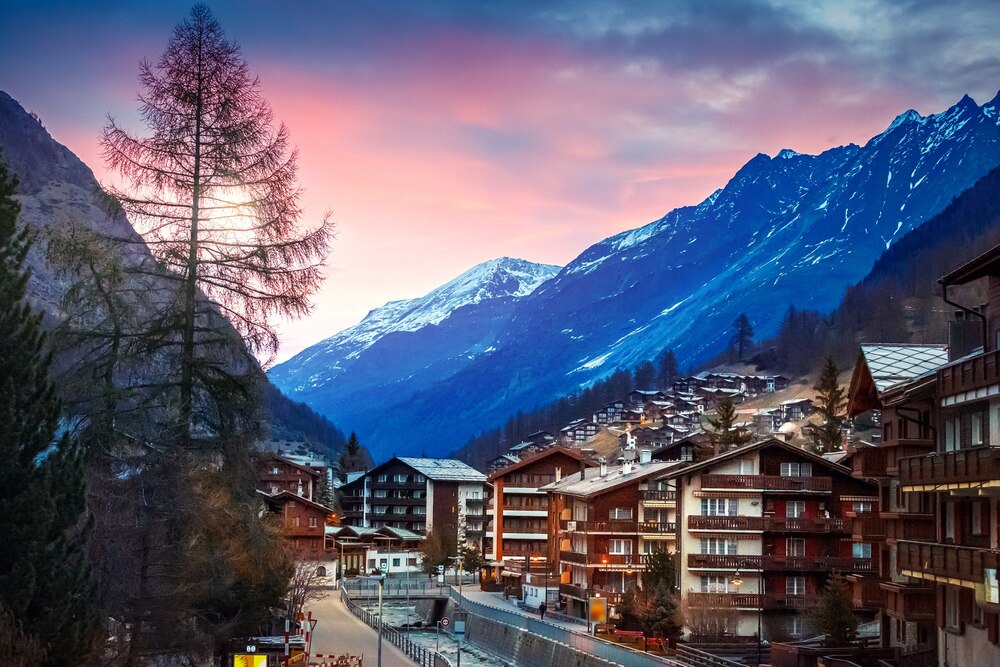
4. Landscapes That Actually Shape Daily Life
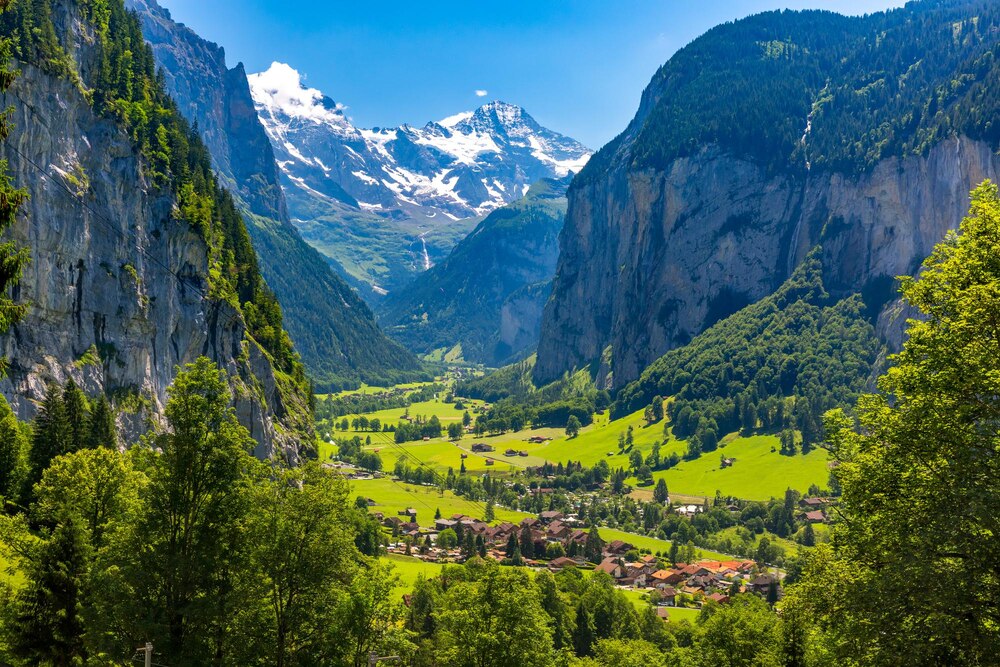
The Alpine postcards are real, but Switzerland’s geography influences much more than tourism brochures. The way cities are built, the hobbies people choose, even the national sense of scale all link back to the terrain.
Distances are short in kilometers, but long in altitude. A day trip can mean moving from lakeside palm trees in Ticino to snow-covered peaks above Bern in just a few hours. Residents treat this as normal and plan weekends accordingly: morning swim in a lake, lunch at a mountain hut, evening concert in the city.
Access to nature is almost a right. Well-marked hiking trails snake across the entire country, and many of them start right at the edge of villages, not just in resort towns. Public transport reaches small mountain communities that would be completely isolated in many other countries.
This shapes health and habits. Outdoor sports are not niche; they are mainstream. Hiking, skiing, biking, climbing, paragliding—these are not necessarily elite hobbies but regular weekend activities for large parts of the population. That low-key physical activity adds up, visibly.
Even urban planning reflects the terrain. Building upwards rather than endlessly outwards, integrating green spaces, respecting avalanche zones and water flows—these constraints have pushed Swiss towns to think carefully about land use. The result is compact, dense centers surrounded by fields, forests, and mountains, not endless grey sprawl.
5. Cultural Mix Without Cultural Chaos
Switzerland is not a cultural monolith. It is a patchwork of German-, French-, Italian-, and Romansh-speaking regions with distinct histories, cuisines, and identities. On top of that, a large share of residents are foreign nationals. In some cities, they make up more than a third of the population.
Yet the country functions without a single dominant national culture trying to erase the others. Instead, local identities are strong and taken seriously. People are often “Genevan”, “Valaisan”, or “Basler” before they are “Swiss” in daily conversation. This local grounding actually makes integration easier for newcomers, because there is no single impossible stereotype to match.
Language switching is routine. Trains announce stops in multiple languages; federal institutions operate in at least three; many residents understand at least two. Crossing the “Röstigraben” (the informal border between German and French Switzerland) feels like entering another country in some ways, but the legal and institutional framework is the same.
Socially, there is a blend of reserve and reliability. Friendships may take longer to form than in more extroverted cultures, but once formed, they tend to last. Promises are taken seriously. If a meeting is set for 18:00, showing up at 18:15 without a reason is considered rude, not casual.
The mix of cultures, stability, and prosperity attracts international talent, which feeds back into the economy and cultural life: foreign-run restaurants in small towns, multinational teams in local companies, foreign students at universities that punch above their weight globally. The country manages to be deeply rooted and genuinely global at the same time.
There are plenty of things Switzerland struggles with: housing shortages in cities, tough integration debates, and high costs that can push some people to the margins. Yet none of those erase the core strengths. Political stability, a carefully balanced economy, everyday reliability, real access to nature, and a cultural mix that mostly works together—all of this explains why Switzerland is more than a pretty landscape. It is a country where the boring things function so well that the rest of life has room to be interesting.