
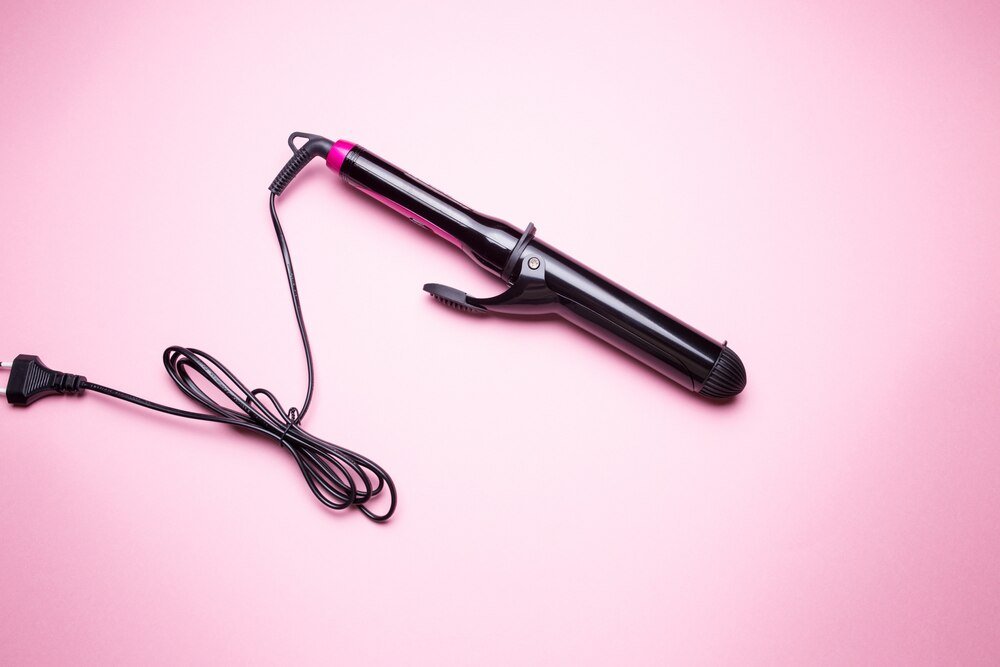
Bringing a curling iron on a plane is usually allowed, but the details depend on the type of iron and where it’s packed. The rules are surprisingly specific: corded, battery-powered, and butane curling irons are each treated differently by security and airlines. Understanding those differences avoids last‑minute confiscations at screening, damaged luggage, or ending up at your destination with a useless tool.
Most travelers only need to remember a few simple rules, but those few rules matter a lot. This guide covers what is allowed in carry‑on vs checked baggage, how butane and lithium batteries are handled, and how to avoid voltage problems on international trips.
TSA and General Airline Rules for Curling Irons
For flights from or within the United States, TSA sets the baseline security rules, and airlines usually follow them. Other countries have similar policies, but details can vary, so think of TSA’s rules as the standard template.
In simple terms:
- Corded curling irons (standard plug-in) – usually allowed in both carry-on and checked bags.
- Butane/cordless gas curling irons – allowed only in carry-on, with conditions; no gas refills allowed at all.
- Battery-powered curling irons – generally allowed, but lithium battery rules apply, especially for spares.
On TSA’s side, a basic plug-in iron is about as unremarkable as a hairdryer. The stricter rules kick in once there is fuel or a high‑capacity battery involved. Airlines and foreign security agencies can be stricter than TSA, but not looser, so the safest move is to pack to TSA standards, then quickly check the specific airline website before flying.
As of 2024, TSA allows one butane curling iron per person in carry-on only, with a safety cover on the heating element, and bans all butane refills in both carry-on and checked bags.
Corded Curling Irons: Safest Option for Air Travel
Standard corded curling irons are the simplest to travel with. These are the typical irons that plug into a wall outlet and do not contain fuel canisters or large internal batteries.
Security treats them like any other small personal electronic or grooming device. They can usually go in both carry‑on and checked bags without special preparation. If there is a choice, carrying them in hand luggage is slightly better, because:
- A carry-on bag is less likely to be thrown around or crushed.
- Delays or lost luggage will not leave a traveler without their styling tool.
One thing that can trigger attention at screening is heat. A still‑warm curling iron can look suspicious in an X‑ray and might get pulled aside. Let it cool fully before packing, and use a heat-resistant cover or sleeve so it does not melt or scorch anything if it warms up slightly in transit.
On most airlines, there is no specific limit on the number of corded hair tools, but more than one or two always increases the chance of secondary inspection. For personal travel, a single iron or a combined curling/straightening tool tends to be the sweet spot.
Cordless, Butane, and Battery Curling Irons
Once a curling iron stops relying only on a wall socket, the rules tighten. Cordless models are convenient for travel, but each technology—butane gas and battery-powered—comes with restrictions.
Butane Curling Irons: Allowed, But Only in Carry-On
Butane curling irons heat up via a small gas cartridge built into the handle. These are popular because they work anywhere and do not depend on local voltage, but the fuel makes them a controlled item.
Under TSA and IATA (international air transport) guidance:
- Only one butane curling iron is allowed per passenger.
- It must be packed in carry-on only. Checked baggage is not allowed.
- A protective cover must be securely fitted over the heating element so it cannot accidentally switch on.
- Refill canisters (extra butane cartridges) are banned from both carry‑on and checked bags.
This restriction on refills is what catches people out most often. Security staff are used to seeing butane hair tools and know exactly what the small metal refills look like, so chances are they will get spotted and taken.
Some airlines outside the U.S. do not allow butane hair tools at all, even in the cabin. Japanese, Australian, and some Middle Eastern carriers have been known to apply tighter variations of the rules. When flying with a butane iron internationally, checking both the departure and return airline policies is essential.
Battery-Powered Curling Irons and Lithium Rules
Battery-powered curling irons, especially compact USB-chargeable or lithium-ion models, are becoming more common. These are usually treated like other small rechargeable devices, with some conditions.
If the battery is built in and not easily removed, the whole unit can typically travel in both carry-on and checked bags, though carry-on is always safer. If the battery is removable or if there are spare batteries, then standard lithium battery rules apply:
- Spare lithium batteries must go in carry-on only.
- Battery terminals should be protected (original packaging, battery case, or tape over the contacts).
- High‑capacity batteries (usually over 100 Wh) may need airline approval, though most curling iron batteries are below that.
Some airport staff treat any curling iron that looks “cordless” as a potential hazard and may ask questions. Being clear about whether it is butane or rechargeable helps a lot. A small printed label on the device or packaging that says “rechargeable lithium-ion, no gas” can be surprisingly useful in a rushed security line.
From a practical standpoint, battery-powered irons are fine for light touch‑ups, but they rarely perform as strongly as a good plug-in tool. For long or thick hair, a compact corded iron plus a plug adapter generally works better.
International Flights, Voltage, and Plug Types
Bringing a curling iron on an international flight is one thing; actually using it safely on arrival is another. The two main concerns are voltage compatibility and plug shape.
Voltage Compatibility: 110V vs 220–240V
North America and a few other regions use about 110–120V, while much of Europe, Asia, Africa, and South America uses 220–240V. Plugging a single‑voltage 110V curling iron into a 230V outlet will likely fry the device in seconds and can trip breakers or damage outlets.
Many modern travel-friendly curling irons are marked as dual voltage, usually labeled “100–240V” on the plug or handle. Those can safely be used worldwide with just a simple plug adapter, no heavy voltage converter needed.
Single‑voltage irons can work abroad, but only through a voltage converter that steps 220–240V down to around 110–120V. The catch: cheap adapters sold as “travel adapters” often change only the plug shape, not the voltage. A true converter is bulkier, heavier, and typically rated in watts. Curling irons draw a lot of power, so the converter’s watt rating must be higher than the iron’s.
From a practical travel standpoint, a compact dual‑voltage curling iron is far easier than carrying a large converter. For frequent travel, switching to dual voltage is usually worth it.
Checking voltage takes 10 seconds and avoids a lot of drama: turn the handle, look near the plug, or read the fine print on the barrel. If it only lists “110–120V,” treat it as domestic‑only unless a decent converter is involved.
Packing and Safety Tips That Actually Help
Beyond the regulations, there is the question of how to pack a curling iron so it survives the journey and does not cause trouble.
- Cool it completely before packing. A hot or warm iron in a carry-on is almost guaranteed to trigger inspection.
- Use a heat-resistant sleeve or case. This keeps the barrel from scratching other items and provides a barrier if it warms up slightly.
- For butane irons, lock any safety switches and make sure the protective cap is firmly attached.
- For battery irons, turn them fully off and, if possible, use a travel lock or switch cover.
- Place the iron where it is easy to remove in case security wants a closer look.
Checked luggage faces more rough handling than cabin bags. If a curling iron must go in checked baggage, wrap it deeply in clothing or place it in the middle of the suitcase, not at an edge where it can take direct hits.
Keeping a photo of the product label (voltage and type) on a phone can also help. If a security officer has questions, showing the label can shorten the conversation.
Common Mistakes and How to Avoid Them
A lot of curling irons are confiscated or damaged for the same few reasons over and over. Avoiding these is straightforward once they are on the radar.
- Packing butane refills – These seem harmless but are banned in both checked and carry-on. Buy fuel at the destination if available, or accept that the built‑in canister is all that can be used.
- Bringing a non‑dual‑voltage iron overseas – It might work once through sheer luck, but usually ends with a burnt‑out device or dead outlet.
- Storing the iron while still warm – Melting plastic in a carry-on or slightly burning fabric in a suitcase is more common than most people admit.
- Forgetting spare batteries are in checked baggage – Loose lithium batteries belong in the cabin. Checked bags with unprotected spares are a regular reason for luggage inspections.
Once the basics are handled—type of iron, fuel or battery rules, and voltage—traveling with a curling iron becomes routine. The corded, dual‑voltage models usually cause the fewest headaches, but for short trips or carry‑on‑only travel, a well‑packed cordless model that follows the rules works just fine.