
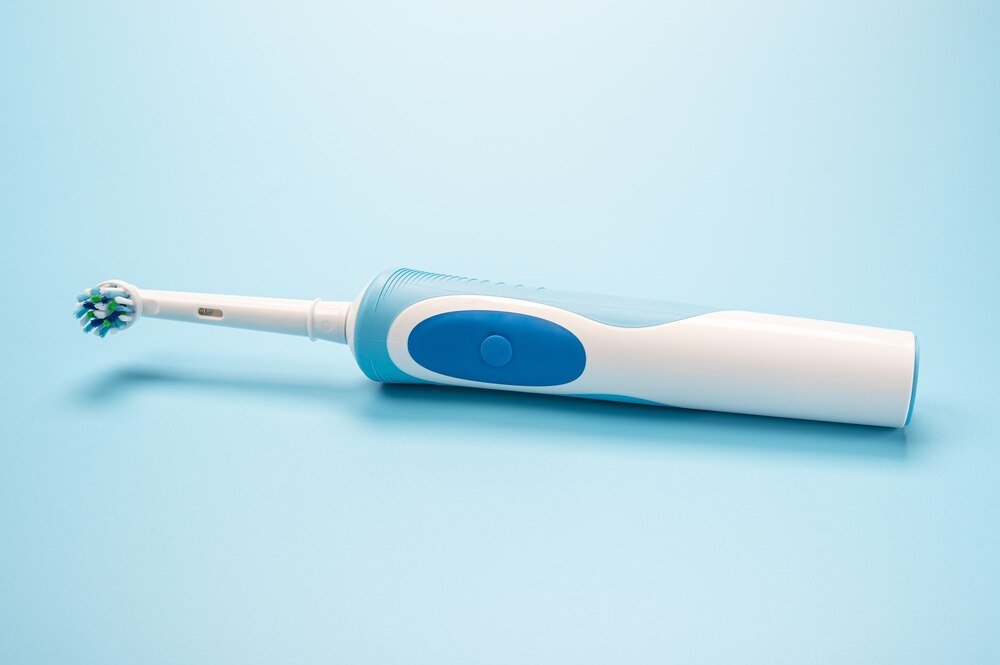
Bringing an electric toothbrush on a plane is usually allowed, but the type of battery and where you pack it matters. Aviation rules focus less on the toothbrush itself and more on the lithium batteries inside, especially for popular rechargeable models. Understanding carry-on vs. checked baggage rules, how TSA and airlines treat personal care electronics, and how to pack them safely prevents problems at security and at the gate. This guide walks through what is allowed, what is risky, and what actually works in day-to-day travel.
Are Electric Toothbrushes Allowed on Planes?
In short: yes, electric toothbrushes are allowed on planes. Both battery-powered and rechargeable models are considered personal electronic devices, similar to shavers or electric razors.
The actual rules come from aviation safety agencies and airline policies about batteries, not about toothbrushes specifically. So the key questions are:
- What kind of battery does the toothbrush use?
- Is the battery removable?
- Is it going into carry-on or checked luggage?
Most modern rechargeable toothbrushes use a built-in lithium-ion battery. These are allowed, but airlines want them in cabin baggage, not in the hold. Simple battery-operated toothbrushes that use AA or AAA alkaline batteries are even easier — they can go in both checked and carry-on bags without special restrictions.
Battery Types and Why They Matter
Regulations focus on the fire risk of lithium batteries. Toothbrushes are small devices, but they still fall under those rules. Knowing what sits inside the handle helps avoid surprises at security or check‑in.
Rechargeable Lithium-Ion Toothbrushes
Brands like Oral‑B, Philips Sonicare, and similar mid-to-high-end models typically have a sealed lithium-ion battery in the handle. There is no easy way to remove it, which is why they are treated as a single electronic device rather than a loose battery.
Airlines and regulators generally allow these without issue as carry-on items because the cabin crew can respond if something overheats. In checked luggage, any lithium device is more of a concern, even if still technically allowed by some carriers.
Most toothbrush batteries are well under the standard limit of 100 Wh used for electronics like laptops and power banks. So capacity is rarely a problem; the real question is placement (cabin vs. checked), not power.
On rare occasion, security may want to see the toothbrush powered on if it looks like an unfamiliar device on the X‑ray. Keeping it easily accessible in a toiletry bag usually avoids any fuss.
Battery-Powered (AA/AAA) Toothbrushes
Cheaper travel toothbrushes often run on standard AA or AAA alkaline batteries. These are the easiest models for air travel:
- They can go in either checked or carry-on baggage.
- Spare alkaline batteries are allowed in both.
- There are no watt-hour limits to think about.
Some travelers prefer these for short trips or backpacking, precisely because there are fewer rules and no need to worry about chargers or voltage compatibility.
Using NiMH rechargeable AA/AAA batteries? Those are still fine, but spare rechargeable batteries need to go in carry-on, with terminals protected from short-circuiting (for instance, in original packaging or a dedicated battery case).
Carry-On vs. Checked Luggage Rules
The safest and most hassle-free way to travel with an electric toothbrush is to treat it like a phone or laptop: keep it in carry-on luggage. That satisfies most airline rules with no extra effort.
Carry-On Baggage: The Best Option
For rechargeable electric toothbrushes, cabin baggage is where they belong. This aligns with standard battery safety guidance:
- Cabin crew can respond to smoke or overheating.
- Bags in overhead bins are at normal temperature and pressure.
- Devices are easily accessible if security wants to examine them.
There’s no requirement to place the toothbrush in the liquids bag, since it is classed as an electronic device, not a cosmetic product. Only gels and liquids (like toothpaste) go into the transparent 100 ml bag.
For toothbrushes with a travel case that doubles as a charger or power bank, the case is treated like any other battery bank. That means always carry it on board, never in checked luggage.
Checked Baggage: When It Can Be a Problem
Most airlines allow small battery-powered devices in checked bags, but lithium batteries in the hold are always a grey area. Rules vary slightly by carrier and country, but the pattern is consistent: loose lithium batteries are banned from checked baggage, and devices containing them are “discouraged” or restricted.
Issues that can crop up when an electric toothbrush is checked:
- Accidental activation if the power button is pressed by tightly packed items.
- Cold and pressure changes in the hold potentially affecting cheap or damaged batteries.
- Airlines that strictly interpret lithium rules may ask for such devices to be moved to carry-on during check-in.
Some travelers still toss a toothbrush into a checked suitcase and never run into trouble, especially with sturdy brand-name models. From a rule-compliance and safety standpoint though, carry-on is the better choice.
Most airline and regulator guidance boils down to this: lithium-powered devices belong in the cabin whenever possible. An electric toothbrush is no exception.
International Flights and Airline Differences
Rules around toiletries are fairly consistent worldwide; rules around batteries are almost identical, since they follow international dangerous goods regulations. Still, some countries and airlines are stricter in practice.
Points to watch on international trips:
- Chinese and some Middle Eastern airports may scrutinize batteries more closely.
- Low-cost carriers often follow the strictest version of the guidelines to reduce risk.
- Some non-English airports may not be familiar with certain toothbrush brands and shapes, triggering extra checks.
In practice, an electric toothbrush rarely becomes an issue as long as it is in hand luggage and looks like a standard consumer product. Packaging or a recognizable brand logo on the handle helps when a security agent is unsure what the object is.
For checked bags on long-haul or multi-leg journeys, especially with different airlines on one ticket, keeping electronics (including toothbrushes) in a carry-on avoids having to guess how each carrier interprets battery rules.
What About Toothpaste, Chargers, and Accessories?
The toothbrush itself is only part of the dental kit. The rest of the gear raises its own small set of questions, mostly around liquid limits and socket compatibility.
Toothpaste and Liquid Rules
Toothpaste falls under the standard liquids and gels rule in carry-on bags. That means:
- Each tube must be 100 ml (3.4 oz) or smaller.
- All liquids, pastes, and gels must fit inside a single transparent, resealable 1‑liter bag.
Travel-sized toothpaste works well for short trips and is easier at security. For longer stays, some travelers pack a small tube in the cabin and a full-size tube in checked luggage, or just plan to buy one after landing.
Solid toothpaste tablets or powders bypass the liquid rule completely, which pairs nicely with a compact electric toothbrush setup.
Charging Bases, Cables, and Voltage
Most modern toothbrush chargers are dual-voltage (100–240V). That means they work worldwide with only a simple plug adapter. Older models, or very cheap ones, may not be dual-voltage — plugging those into 220–240V outlets can damage the charger.
There are three practical options here:
- Bring the original charging base if it is dual‑voltage and fairly compact.
- Use a USB-charging toothbrush that works with the same chargers as phones and tablets.
- Charge fully at home and skip the charger on short trips, relying on the toothbrush’s long battery life.
Charging bases and cables can go in either checked or carry-on baggage, since they are not batteries. For convenience, many travelers keep them in hand luggage with other electronics, so they are not lost if a checked bag is delayed.
Practical Tips for Flying With an Electric Toothbrush
The rules are straightforward once broken down, but a few simple habits make travel smoother and protect both the device and the rest of the luggage.
- Pack the toothbrush in a case – prevents accidental activation and keeps the head clean.
- Lock or cover the power button – a rubber band, cap, or travel lock can stop it from buzzing in the bag.
- Detach the brush head – reduces strain on the neck and makes the whole package more compact.
- Keep it accessible – near the top of the carry-on or in a dedicated toiletry pouch for quick inspection.
For very short trips, fully charging a modern toothbrush and leaving the dock at home is often the simplest option. Many models easily last 7–14 days on a single charge with twice-daily use.
If the toothbrush has Bluetooth or “smart” features, those do not need to be disabled for flying. The device is small enough that it is treated like other personal electronics, and crew rarely worry about toothbrush connectivity compared to phones, tablets, and laptops.
When to Consider a Simpler Travel Setup
Most people can fly with a regular electric toothbrush without any issues, but for specific trips a simpler solution is sometimes more practical.
Situations where a basic battery-powered toothbrush can make more sense:
- Backpacking trips where every gram and cubic centimeter counts.
- Frequent budget flights with strict cabin baggage rules and no checked luggage.
- Destinations with unreliable power or unfamiliar voltage standards.
A small, AA-powered toothbrush with a couple of spare batteries weighs very little, cannot raise questions about lithium cells in checked bags, and does not need a charger or adapter. For some travelers, that trade-off — slightly less performance, much more simplicity — is worth it.
For everyone else, packing a regular rechargeable electric toothbrush in carry-on luggage, with toothpaste in the liquids bag and a compact charger or a full battery, is usually all that is needed to stay on the right side of airline rules and keep teeth clean on the road.