
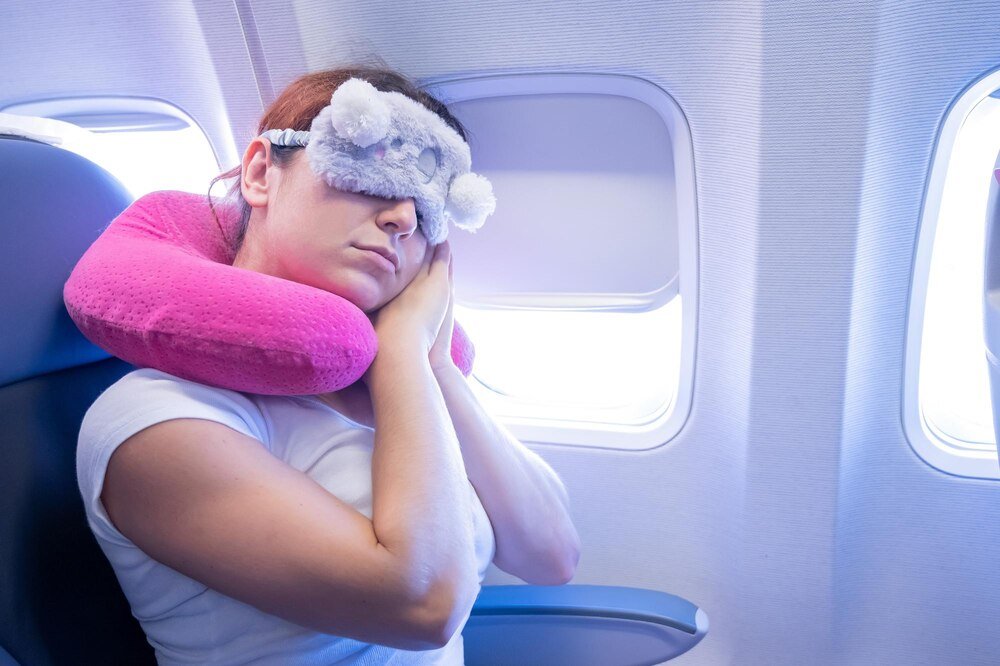
Sleeping on a plane means getting real, restorative rest in an upright seat while surrounded by noise, light and strangers. It is less about luck and more about stacking small, deliberate choices before and during the flight so the body has a chance to switch into sleep mode despite lousy conditions. This guide focuses on what reliably works in economy and premium economy, using methods tested on overnight and ultra-long-haul flights. Expect practical tactics: seat choices that matter more than upgrades, gear that actually helps and routines that make sleep onboard a lot more likely.
Choose the Right Seat Before You Fly
The chance of sleeping well on a plane is largely decided at the booking stage. A good seat can make the difference between nodding off for three hours or staring at the in-flight map all night.
For most people, an aisle seat in the middle section is the best compromise between space and comfort. There is room to stretch one leg into the aisle, and it is easier to get up to the bathroom without waking anyone. Those who naturally lean against something when falling asleep often do better in a window seat, especially on night flights, because the wall gives a stable surface for the head and there is control over the window shade.
- Window: better for leaning and less disturbance from other passengers.
- Aisle: easier movement, more leg freedom, but risk of being bumped.
- Middle: worst choice for sleep in most cases, avoid when possible.
Rows near the galley and toilets are noisier and see more foot traffic. The constant opening of the galley curtain, light spill and clattering dishes break up light sleep. Seats directly in front of the toilets also tend to attract people standing around and stretching, which can feel like trying to sleep in a corridor.
Exit row and bulkhead seats sound tempting for the extra legroom, but they are not always ideal for sleeping. Armrests are often fixed, screens and tray tables may be stored in the armrest (reducing width), and cabin crew may use the area as a staging spot. For those under about 6 feet (183 cm), a regular seat with a good recline and fewer disturbances is often better than chasing maximum legroom at the expense of overall quiet.
Prepare Your Body and Schedule
Body timing matters more than people expect. Going from a hectic workday straight into a long-haul flight and expecting solid sleep rarely works. It is usually easier to sleep on a plane when the body is already leaning toward its natural bedtime.
For overnight flights, aim to arrive at the airport only slightly tired, not exhausted. Being overtired makes it harder to relax and can lead to that wired, fidgety feeling once seated. On the day of travel, light exercise and natural light exposure help anchor the body clock. A brisk walk outdoors a few hours before leaving for the airport is often more effective for future sleep quality than a last-minute coffee.
Caffeine strategy makes a big difference. For most people, a cut-off about 6–8 hours before intended sleep time works best. That usually means no coffee at the airport before a red-eye, even if it is tempting. For very early-morning departures, it is sometimes smarter to drink a small coffee at home and then stop entirely once at the airport so the body can wind down once in the air.
Alcohol works the opposite way many travelers think. It can make falling asleep feel easier, but it fragments sleep and increases the chance of waking up dry-mouthed, hot and restless. A single small drink with the meal is usually the upper sensible limit; more than that and sleep quality drops quickly, especially at altitude where dehydration is already an issue.
Gear That Actually Helps You Sleep
Travel gadgets are heavily marketed, but only a handful of items consistently improve sleep onboard. The goal is to support the head and lower back and cut out light and noise as much as possible.
Neck Pillows and Back Support
A good neck pillow is one of the few pieces of travel gear that pays for itself quickly. Those U-shaped pillows sold in airport gift shops work, but some designs perform much better. Pillows that provide front and side support (so the head cannot snap forward) are usually more effective than simple inflatable rings that only cushion the back of the neck.
Pillows that fasten at the front or wrap partially around the neck keep the head stable during turbulence and when muscles fully relax. That stability keeps micro-awakenings to a minimum. Firmer memory foam pillows offer better support for longer flights, while inflatables win for packability but can feel bouncy or squeaky against the seat.
Lower back support is underrated. Airline seats often leave a gap in the natural curve of the spine, especially after years of use. Placing a small lumbar pillow, rolled-up sweater or blanket behind the lower back keeps the spine aligned with the headrest. That alignment makes it much easier to relax the neck and shoulders without slumping.
Seat recline matters too. Partial recline of about 25–30 degrees usually hits the sweet spot: enough to shift weight off the lower back, not so much that it feels like sliding down the seat. Going full recline can feel more comfortable in the first minute, but often leads to sliding, neck strain and more fidgeting over the next few hours.
For those who struggle with feet dangling, a simple footrest or even placing a bag under the feet can help. When feet are supported, the legs and lower back relax, which indirectly supports better sleep in the upper body.
Blocking Noise and Light
Noise and light are two of the biggest sleep killers on planes. Even when they do not fully wake someone, they push sleep into lighter stages that feel less restorative. Controlling these two inputs usually delivers a noticeable jump in sleep quality.
Foam earplugs are cheap and effective when used correctly. Rolling them tightly, inserting them deeply and holding them in place for a few seconds lets them expand fully and block a large chunk of engine and cabin noise. Paired with the drone of the engines, the result is a kind of steady, low-level hum that many people find easier to sleep through than random conversation and clinking cutlery.
Those sensitive to pressure or uncomfortable with earplugs often do better with noise-cancelling headphones. Over-ear models create a physical barrier and cancel low-frequency rumble. Playing soft brown noise, calm music or even just leaving them on silent with active cancellation can dramatically lower perceived noise levels.
Light is simpler to handle. A well-fitting sleep mask that blocks light from all sides lets the brain think it is night, even when someone opens a window shade two rows back. Masks with contoured cups (that do not press on the eyelids) feel less claustrophobic and allow natural blinking.
Cabin lighting on long-haul flights is often dimmed according to destination time, but it is rarely fully dark. Crew moving through the aisle, personal screens and reading lights all chip away at darkness. With earplugs or headphones plus a mask, the brain gets a much clearer signal that it is time to sleep, even if everything around says “busy airplane.”
Melatonin, when used carefully, can help shift sleep timing on long-haul flights, but the dose for most travelers is surprisingly low: research points to around 0.5–1 mg for shifting the body clock, not the large doses often sold in stores.
Onboard Routine: From Boarding to Lights Out
The first 30–60 minutes after boarding set the tone for the rest of the flight. A simple, repeatable routine makes it easier to relax once seated and reduces the feeling of chaos around takeoff.
Once at the seat, organizing the space pays off. Items needed for sleep (pillow, mask, earplugs or headphones, light sweater, water bottle) should be placed in the seat pocket or within easy reach before the plane leaves the gate. Digging through the overhead bin later wakes both the body and the neighbors.
- Remove shoes and switch to comfortable socks or flight socks.
- Place the pillow and blanket before takeoff so the body knows “this is the sleep setup.”
- Switch phone to airplane mode and lower screen brightness early.
- Decide on entertainment: watch a short show or start winding down immediately.
For night flights, it helps to treat the first part like an early evening at home. Eat the meal, drink water instead of extra alcohol, then go through a mini bedtime routine: bathroom visit, wash face, maybe brush teeth. These small steps signal bedtime more strongly than just flipping off the screen.
As soon as the main cabin lights dim, set up fully for sleep: recline the seat to a comfortable angle, apply the sleep mask, adjust the neck pillow and start any white noise or calming playlist. The earlier the brain gets a consistent “sleep package” of cues, the longer the block of usable rest tends to be.
Air turbulence and announcements will still happen. Accepting these as temporary interruptions instead of “sleep ruined” events changes the experience a lot. Staying in a resting position, keeping the mask on and simply letting the body drift back usually leads to more total sleep than constantly giving up to check the map or scroll through the phone after each disruption.
Managing Temperature, Hydration and Food
Plane cabins are often cool, but bodies can swing between too cold and too warm during sleep. Dressing in layers works far better than relying solely on the thin airline blanket. A light base layer, comfortable long-sleeve top and a thin scarf or neck gaiter offer flexibility as the temperature shifts.
Feet getting cold is a common reason for waking up. Thick socks or compression socks covered by the airline blanket keep toes warm and circulation moving. On the flip side, overheating under the blanket wakes people too. Uncovering one leg or arm helps fine-tune temperature without fully waking up.
Hydration is a balancing act. Cabin air is dry, so sipping water regularly throughout the flight works better than chugging a large bottle right before trying to sleep. Aiming for small sips every 20–30 minutes while awake, then one moderate drink before putting the mask on, usually keeps things comfortable without causing constant bathroom trips.
Heavy meals make sleep on a plane harder. Greasy or very salty food leads to bloating and extra thirst. Choosing the lighter meal option, skipping a second bread roll and easing off on the dessert improves how the stomach feels in a cramped seat. For those prone to heartburn, lying back immediately after a heavy meal almost guarantees discomfort.
- Favor lighter, protein-plus-carb meals over heavy, fatty options.
- Avoid large sugary snacks right before trying to sleep.
- Limit alcohol to 0–1 drink before rest.
- Keep a small bottle of water at the seat instead of relying only on drink rounds.
Special Cases: Red-Eyes, Long-Haul and Jet Lag
Not all flights are equal. A short red-eye and a 15-hour ultra-long-haul call for slightly different strategies.
On short overnight flights (5–7 hours), the goal is often a single solid block of 3–4 hours of sleep instead of trying to mimic a full night. That usually means skipping one of the meal services. Eating a light snack at the airport, settling in quickly after takeoff and going straight into sleep mode once the seatbelt sign goes off works better than staying up for the full dinner service.
On ultra-long-haul flights, breaking sleep into two chunks can feel more natural. A first sleep of 3–5 hours after the initial meal, some awake time to stretch, drink water and maybe eat a small snack, then a second shorter sleep closer to destination morning often aligns better with both the home and destination time zones.
For time zone shifts of more than 3–4 hours, adjusting exposure to light matters as much as sleeping on the plane. Sleeping according to the destination night and seeking light during the destination morning on arrival speed up adaptation. A short, low-dose melatonin supplement timed to destination bedtime can help, but it should be used as a nudge, not a knockout pill.
Some people simply never get deep sleep on planes, but can get good rest by treating the flight as extended quiet time rather than a full night’s sleep. In that case, the goal shifts to keeping eyes closed, minimizing stimulation, and arriving less tired than they would be after a fully awake flight. The same tools still apply: good seat choice, neck and lumbar support, control of noise and light, and a simple, repeatable routine that tells the body, “this is the best version of rest available right now.”