
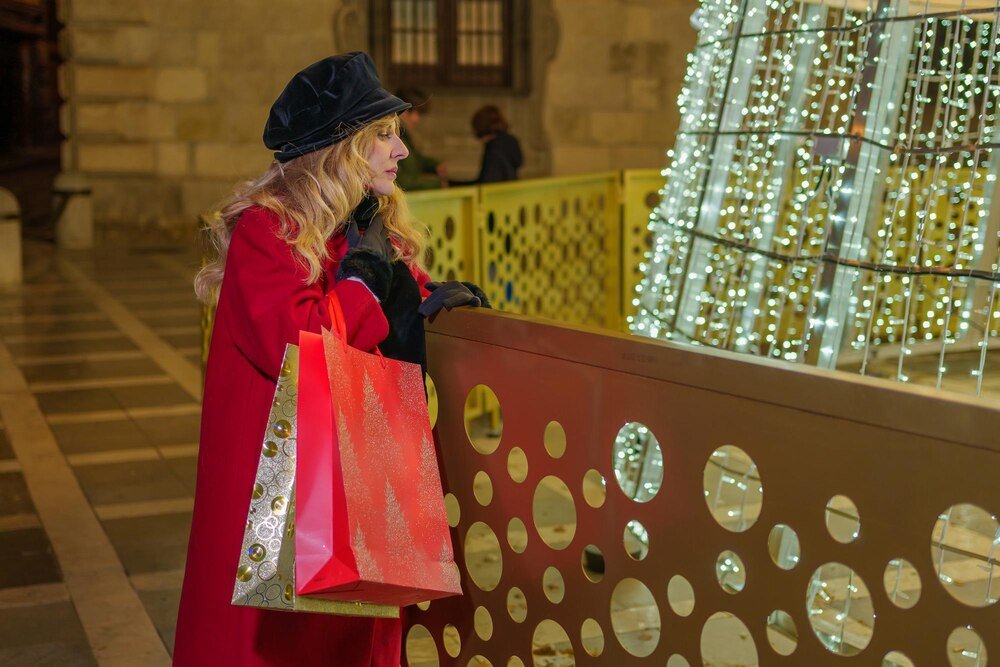
Shopping in Istanbul – A Blend of Traditional Bazaars and Modern Retail
Istanbul’s shopping scene represents the city itself—a fascinating bridge between East and West, tradition and modernity. From the labyrinthine alleys of centuries-old bazaars to gleaming contemporary malls, the city offers an unparalleled retail experience spanning multiple cultures, eras, and styles. Whether searching for authentic Turkish crafts, luxury brands, or unique souvenirs, Istanbul’s diverse shopping venues cater to every taste and budget while providing glimpses into the city’s rich commercial heritage.
The Grand Bazaar – Istanbul’s Historic Shopping Heart
Dating back to 1461, the Grand Bazaar (Kapalı Çarşı) stands as one of the world’s oldest and largest covered markets. This sprawling labyrinth encompasses over 4,000 shops across 61 streets, attracting between 250,000-400,000 visitors daily. The bazaar is organized into sections specializing in specific goods:
The gold and jewelry quarter dazzles with intricate Ottoman designs and modern pieces. Haggling is expected here, but the quality of Turkish gold (typically 22-24 karat) makes it worth the negotiation effort.
Turkish carpets and kilims represent another Grand Bazaar highlight, with shops displaying vibrant handwoven textiles in mesmerizing patterns. Most reputable dealers will explain regional differences, materials, and techniques—knowledge that proves invaluable when making a significant purchase.
Other notable sections include leather goods, ceramics, textiles, and antiques. The bazaar’s central avenues tend to feature higher prices, while better deals often hide in the less-trafficked side alleys. When shopping here, remember the golden rule: never accept the first price. Expect to pay about 60-70% of the initial asking price after friendly negotiation.
Spice Bazaar – A Feast for the Senses
Also known as the Egyptian Bazaar (Mısır Çarşısı), this fragrant marketplace has served as Istanbul’s spice trading center since the 1660s. Beyond the impressive array of spices, visitors find:
- Turkish delight (lokum) in countless varieties—from traditional rose and pistachio to innovative flavors like pomegranate or chocolate. The best shops offer samples before purchase.
- Dried fruits, nuts, and Turkish coffee make practical souvenirs that capture authentic flavors. Tea enthusiasts shouldn’t miss the apple tea, a local favorite often served to bazaar shoppers.
- Honey, including specialized varieties like chestnut or pine honey from Turkey’s diverse regions, often comes packaged for travel. The same applies to high-quality olive oils and exotic spice blends like sumac and zahter.
Located near the waterfront in Eminönü, the Spice Bazaar provides a more manageable alternative to the Grand Bazaar while still delivering an authentic Turkish market experience.
Artisan Districts and Specialty Shopping Areas
Beyond the famous bazaars, several Istanbul neighborhoods offer distinctive shopping experiences:
Çukurcuma and Çağaloğlu
These adjoining districts form Istanbul’s antique quarter, where dozens of shops display Ottoman-era furniture, vintage photographs, retro Turkish movie posters, and eclectic collectibles. The area gained international attention after featuring in Orhan Pamuk’s novel “The Museum of Innocence.” Even casual browsers enjoy the treasure-hunt atmosphere among these characterful shops, where each item tells a story of Istanbul’s rich past.
Nişantaşı
Istanbul’s upscale fashion district houses Turkish designer boutiques alongside international luxury brands. The tree-lined streets feature elegant early 20th-century architecture and sophisticated cafés perfect for people-watching between shopping excursions. Turkish designers like Arzu Kaprol and Özlem Süer maintain flagship stores here, offering high-end pieces with distinctly Turkish influences that blend traditional craftsmanship with contemporary design.
Kadıköy
On the Asian side, Kadıköy’s markets provide a more authentic, less tourist-oriented shopping experience. The bustling fish market extends into streets filled with spice vendors, cheese specialists, and produce sellers. The surrounding neighborhood also features independent bookstores, vintage shops, and local designer boutiques catering to Istanbul’s younger, creative crowd. Here, you’ll experience daily Turkish life while discovering unique items rarely found in the more touristy areas.
Modern Shopping Malls – Contemporary Retail Experiences
For climate-controlled convenience and international brands, Istanbul’s modern malls rival those in any global metropolis:
İstinye Park in the northern European side combines luxury shopping with beautiful architecture, including an open-air section designed like a traditional Turkish street. Its 291 stores include both international luxury brands and Turkish retailers, creating a harmonious blend of global and local shopping opportunities.
Zorlu Center represents Istanbul’s most prestigious mall development, housing Turkey’s first Apple Store alongside high-end brands like Bulgari and Louis Vuitton. The complex also includes performance venues, gourmet restaurants, and art installations, making it a cultural destination beyond mere shopping.
Historia Shopping and Life Center in the historic Fatih district successfully blends modern retail with historical context. Built above Byzantine-era archaeological remains (visible through glass floors in parts of the mall), Historia offers mainstream shopping while acknowledging the site’s rich past, creating a uniquely Istanbul experience.
Cevahir once held the title of Europe’s largest shopping mall and remains impressive with over 300 stores, an indoor roller coaster, and a massive food court. Located in the business district of Şişli, it provides a comprehensive shopping experience at more moderate price points, making it popular with locals and tourists alike.
What to Buy – Distinctive Turkish Products
Beyond location considerations, certain items stand out as particularly worthwhile Turkish purchases:
Turkish Textiles
Hand-loomed peştemal (traditional bath towels) combine practicality with cultural significance. These lightweight cotton towels dry quickly and take up minimal luggage space. Their versatility extends beyond the bathroom—they can serve as scarves, beach wraps, or decorative table runners.
Turkish cotton bathrobes, often adorned with subtle embroidery, offer luxury at prices significantly lower than comparable items in Western markets. The fine cotton grown in Turkey’s Aegean region is renowned worldwide for its softness and durability.
Ceramics and Tiles
İznik-style ceramics feature the distinctive blue and turquoise patterns that adorn Istanbul’s famous mosques. Quality pieces represent centuries of artistic tradition, with hand-painted designs reflecting Ottoman court aesthetics. From decorative plates to ornate vases, these pieces bring a touch of Istanbul’s artistic heritage into your home.
Turkish Lamps
Mosaic glass lamps create enchanting colored light patterns and pack surprisingly well when disassembled. Available in countless sizes and styles, these distinctive fixtures have become symbols of Turkish decorative arts. When illuminated, they transform any space with their warm, kaleidoscopic glow that evokes the magical atmosphere of Istanbul nights.
Shopping Etiquette and Practical Tips
Shopping in Istanbul becomes more rewarding with cultural awareness:
Haggling remains expected in bazaars and small shops, but not in department stores or malls with fixed prices. The process should feel like a friendly conversation rather than a confrontation. Begin by expressing genuine interest in the item, then suggest a price about 40-50% lower than the initial offer.
Most shops offer tea during extended browsing or negotiations—accepting this hospitality doesn’t obligate a purchase but acknowledges the relationship-based nature of Turkish commerce. This tea-drinking ritual provides a moment to connect with local merchants and learn about their products.
Tax refunds apply to purchases over a certain amount when buying from authorized retailers. Look for “Tax Free Shopping” signs and request necessary documentation at the time of purchase. Process your refund at the airport before departure to receive your VAT reimbursement.
Shopping hours typically extend later than in Western countries, with many stores open until 10 PM, especially in tourist areas and malls. However, smaller shops may close during prayer times on Fridays. Plan accordingly, particularly if visiting during religious holidays when hours may vary significantly.
From ancient bazaars to ultramodern malls, Istanbul’s retail landscape reflects its identity as a cultural crossroads where traditional craftsmanship coexists with contemporary design. This shopping diversity ensures visitors return home with not just souvenirs, but tangible connections to one of the world’s most fascinating cities.