
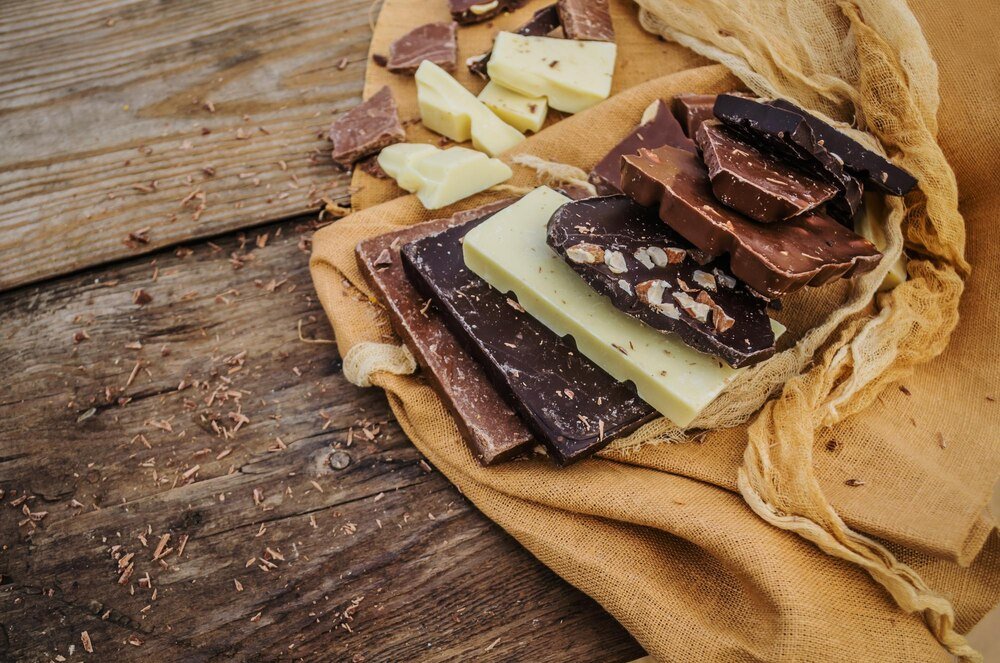
Good Swiss chocolate spoils other chocolate for a long time. Knowing which Swiss brands actually deliver quality saves money, suitcase space, and disappointment. This overview focuses on what each brand does best, who it suits, and when it is worth paying extra.
The Big Swiss Chocolate Names Everyone Should Know
These are the brands most travelers and export markets see first. Quality ranges from everyday good to genuinely impressive, depending on the line.
- Lindt – The global flagship. The regular supermarket tablets are consistent and decent, but the Excellence line (especially 70% and above) and praline boxes are where the quality shows. Widely available, reliable, not the most exciting, but rarely a bad choice.
- Toblerone – Iconic Swiss export, now partly produced outside Switzerland depending on the variety. Good for nostalgia and gifts, less interesting for serious tasting. The classic honey-almond nougat bar is sweet, crunchy, and more candy than fine chocolate.
- Cailler (Nestlé) – One of the oldest Swiss brands. The milk chocolate and pralines have a very creamy, almost caramelized profile thanks to condensed milk. Great for people who like soft, mellow chocolate rather than intense cocoa.
- Frey – Migros’ house brand. Very popular inside Switzerland, almost unknown outside. Quality is solid, especially for the price. The higher-cocoa bars and nut tablets are usually a better buy than the very sweet filled ones.
For everyday eating or gifts to people who just want “nice Swiss chocolate,” these brands are perfectly fine. For more character, depth, and craftsmanship, the traditional houses and newer artisans deliver superior results.
Swiss people eat roughly 10–12 kg of chocolate per person per year, so local brands live and die on repeat purchases, not tourist gimmicks.
Traditional Premium Houses
Confiserie Sprüngli and the Zürich Style
Sprüngli is one of the names that locals mention when asked where to get “real” Swiss chocolate. This is a confiserie culture brand: chocolates, truffles, and pastries first, chocolate bars second. Shops are concentrated around Zürich and a few major cities and airports.
The signature products are the fresh truffles (such as Truffes du Jour) and pralines. These are made with fresh cream, minimal preservatives, and short shelf lives. The texture is silky, and the flavors lean classic: champagne, hazelnut, mocha, vanilla. Nothing wild, just extremely well executed.
Price-wise, Sprüngli sits comfortably in the premium bracket. Boxes are not cheap, but quality per piece is high, and there is very little “air” or padding in assortments. Almost every piece feels like something worth eating, not filler. As gifts for people who care about craftsmanship but are not chocolate enthusiasts, Sprüngli works exceptionally well.
For travelers, the key detail is freshness. The best truffles often have recommendations like “consume within 7–10 days.” That makes them brilliant if staying in Switzerland or gifting quickly, but risky for long journeys in hot weather. In those cases, the more stable pralines or tablets are safer choices.
In short: Sprüngli is for those wanting classic, polished Swiss confectionery with a strong focus on texture and freshness, not experimental flavors.
Teuscher, Läderach, and Aeschbach
Teuscher is famous for its champagne truffles, and in this case the fame is deserved. The champagne filling is aromatic, not just sugary, with a real wine character. Boxes are beautifully wrapped, often in decorative paper, which makes them popular as elegant gifts. The style is old-school luxurious: heavier on sugar, but very refined.
Läderach has expanded quickly and is now one of the most visible premium brands on Swiss high streets. The signature product is their FrischSchoggi – large slabs of “fresh” chocolate broken to order. These come loaded with nuts, dried fruit, caramel, and various inclusions. Flavor is bold and sweet, textures are crunchy and satisfying. Not subtle, but very appealing to most people.
One real strength of Läderach is transparency: considerable attention is paid to sourcing and in-house production, especially since moving towards more control of the cocoa chain. That shows in the cleaner flavor of their higher cocoa content tablets and some single-origin lines.
Aeschbach is often seen as a family-friendly premium brand. Stores tend to be bright, with many smaller “giftable” items, seasonal shapes, and assortments. Quality is typically a notch above mass supermarket chocolate but slightly below the very top confiseries. For corporate gifts or mixed audiences, Aeschbach is often a practical and well-received option.
These three are excellent examples of traditional premium Swiss makers that sit between supermarket brands and ultra-high-end artisans. Teuscher excels at one thing (champagne truffles), Läderach is outstanding for generous, crunchy slabs and modern branding, and Aeschbach shines as an approachable all-rounder.
Artisan and Bean-to-Bar Producers to Watch
Switzerland is not just big factories and old confiseries. Over the last 10–15 years, a number of smaller producers have started working more closely with cocoa origins, fermentation, and roasting profiles. For people who are into flavor nuances, these are the most interesting.
- Felchlin – Technically an ingredient producer rather than a retail brand, but very influential. Many Swiss chocolatiers use Felchlin couvertures. If a praline shop mentions Felchlin, it usually signals quality raw material, especially for single-origin dark chocolate.
- Max Chocolatier (Lucerne) – Focus on seasonal ingredients, small batches, and clear flavor. The tablets and pralines often highlight individual origins like Madagascar or Bolivia. Sweetness is usually lower than mainstream brands, allowing more cocoa character to emerge.
- Beschle (Basel) – Long history, modernized approach. The better lines have a bean-to-bar philosophy, with attention to traceable cocoa and finer roasting. A strong choice for those who like bars with specific origins and tasting notes.
- Orfève (Geneva region) – One of the more purist bean-to-bar makers in Switzerland. Very focused on direct trade and micro-batches. Bars often come with detailed information on origin and process.
- Taucherli – Known for playful, colorful packaging and serious chocolate inside. Often single-origin, bean-to-bar, with a good range of dark percentages and some creative inclusions.
These producers will not be on every supermarket shelf. They show up in specialty shops, better department stores, and their own boutiques. Prices are higher per 100 g, but this is where Swiss chocolate starts to compete directly with the best craft bars from places like France, Belgium, and the United States.
For people used to very sweet milk chocolate, some of these bars can feel intense. Starting with a 60–70% dark from a fruity origin (like Madagascar) usually works better than jumping straight to 85%.
How to Choose the Right Swiss Chocolate
Picking a brand is easier when framed around how the chocolate will be used and who it is for. A few practical guidelines make the selection process straightforward:
- For casual snacking: Lindt Excellence, Cailler milk bars, Frey nut tablets, and Läderach slabs all work well. Focus on mid-range cocoa percentages (40–70%) and proven combinations like hazelnut or almond.
- For serious tasting: Look for origin-labeled bars from Max Chocolatier, Orfève, Taucherli, Beschle, or the higher-end lines from Felchlin-based shops. Go for smaller bars with clear cocoa origin and percentage.
- For gifts: Sprüngli pralines, Teuscher champagne truffles, Läderach assortments, and nicely packed Cailler boxes are safe bets. Choose something visually impressive but still easy to share.
- For baking and desserts: Supermarket couverture or Lindt cooking chocolate works, but Felchlin-based couvertures (if available) give cleaner flavor, especially in ganaches and mousses.
Ingredients lists are the quickest quality check. Short lists are usually better: cocoa mass, cocoa butter, sugar, milk powder (for milk chocolate), real vanilla instead of “flavor.” High-quality brands often avoid vegetable fats other than cocoa butter.
Another small but useful signal: cocoa butter percentage. Some premium bars highlight this alongside cocoa content, indicating a smoother melt and richer mouthfeel, rather than relying on sugar or additives for texture.
Supermarket vs Boutique: What Actually Changes
Ingredients, Process, and Freshness
Supermarket chocolate in Switzerland is still better than in many countries. Brands like Frey, Cailler, and the basic Lindt lines work with decent cocoa and good milk, and production standards are high. For daily consumption, these are more than acceptable.
Boutique and artisan makers diverge mainly on three points: cocoa sourcing, fat/sugar ratios, and freshness. High-end bars and pralines typically use more expensive beans (specific regions, sometimes single estates), a higher proportion of cocoa butter, and less sugar. That shifts the flavor balance away from pure sweetness and towards cocoa complexity.
Process matters significantly too. Longer, more controlled conching and roasting, as well as smaller batch sizes, give makers more room to fine-tune texture and aroma. It represents a cost in time and energy, which shows in the price tag, but it’s the difference between “good chocolate” and chocolate that genuinely tastes of red fruits, nuts, or spice purely from the beans.
Freshness is critical for pralines and truffles. Supermarket boxes are designed to sit on shelves for months. That means more sugar, more stabilizers, and less fresh cream. Boutique shops sell products that often peak within 1–4 weeks. The ganache is softer, the flavors are brighter, and the fats have not started to oxidize.
Whether this matters depends on the use case. For stocking up at home or mailing abroad, stable supermarket assortments make sense. For eating within the week or gifting in person, boutique chocolates are worth the premium.
Buying Swiss Chocolate as Gifts or for Travel
When chocolate has to survive flights, delays, and varying temperatures, brand choice becomes partly logistical. Solid bars and nut tablets handle travel better than delicate pralines. High cocoa percentages and less cream usually mean more resilience to challenging conditions.
For summer or long trips, sturdy options like Lindt Excellence tablets, Toblerone, Frey bars, or Läderach slabs are usually safer choices. They can take a bit more heat and rough handling. Wrapping boxes in clothing and keeping them in the middle of the suitcase helps buffer temperature swings.
For gifts that need a “wow” factor at the unboxing stage, Sprüngli, Teuscher, Läderach, and Max Chocolatier all present their products beautifully. Those are ideal when traveling directly from Switzerland to the recipient with minimal time in between.
One often overlooked consideration is customs and import limits. Some countries have specific rules on food products, especially those with fresh cream or alcohol (champagne truffles, liqueur-filled pralines). Bars and simple praline assortments usually cause fewer issues than anything clearly labeled as containing alcohol or fresh dairy.
The most practical strategy is straightforward: buy everyday chocolate in supermarkets (Lindt, Frey, Cailler) and allocate part of the budget to one or two premium boxes from a confiserie or artisan maker. That mix covers both reliable crowd-pleasers and a couple of stand-out pieces that actually justify the “Swiss chocolate” reputation.