
Landing in Bologna and trying to decide what to actually do can feel a bit overwhelming. The city looks compact on the map, but once on the ground there’s a lot going on: food, history, porticoes, viewpoints, markets. The good news is that Bologna is one of the easiest Italian cities to “get” in a short stay. With a bit of structure, it’s simple to build a plan that mixes food, culture and slow wandering without feeling rushed.
This guide focuses on concrete things to do in Bologna: where to walk, what to see, what to eat, and a few smart side trips that actually make sense.
Start at Piazza Maggiore and the historic center
Piazza Maggiore is the natural anchor of Bologna. Most things you’ll want to see spread out from here in a 10–15 minute radius, so it’s the best place to start getting your bearings.
Spend time just walking the square and nearby streets rather than checking off sights in a rush. Sit on the steps of San Petronio, look at the Palazzo d’Accursio, people-watch by the Neptune Fountain, then duck into side alleys. The rhythm of the city is what makes Bologna special, not just the monuments.
San Petronio Basilica is worth going inside even for those usually “done” with churches. It’s unfinished on the outside, surprisingly bare and vast inside, and the meridian line on the floor is an odd detail that sticks in the mind. Entry is free, chapels and viewpoints may have a small fee.
From the square, head into Quadrilatero, the old market streets. The area between Via Clavature, Via Pescherie Vecchie and Via Drapperie is dense with delis, fishmongers, wine shops, and tiny places for a quick glass and a plate of cured meats. Even if eating elsewhere, walking here around late morning gives a good feel for what Bolognese food actually looks like before it hits the plate.
Walk the porticoes and climb for views
Bologna’s porticoes are the thing most first-timers underestimate. They’re not just pretty arcades – there are about 62 km of them in and around the city, and they shape how life is lived there. You can cross most of the center almost entirely under cover.
The Two Towers and nearby streets
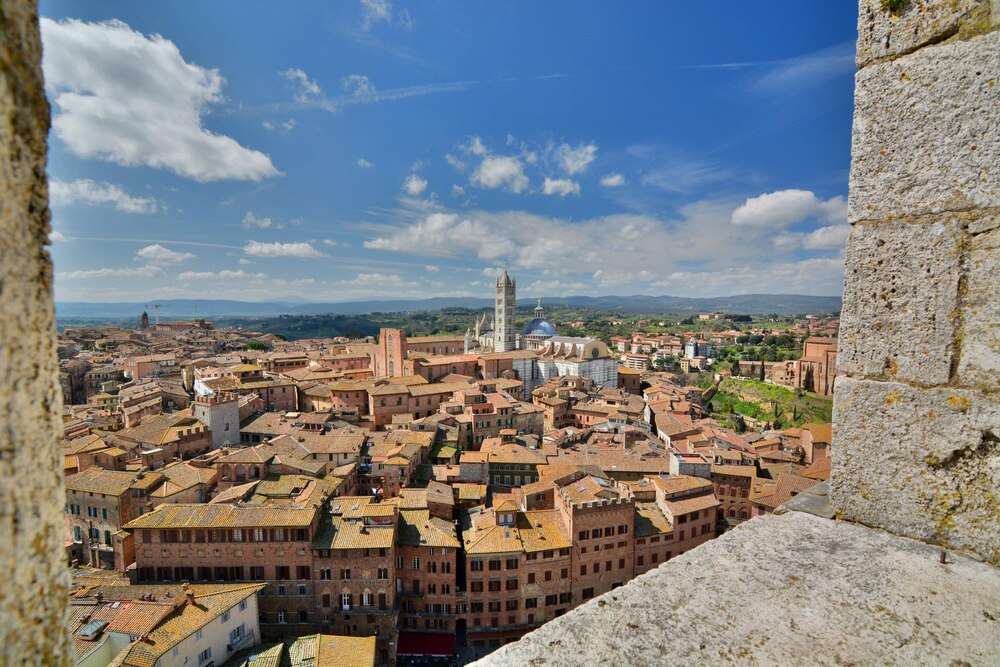
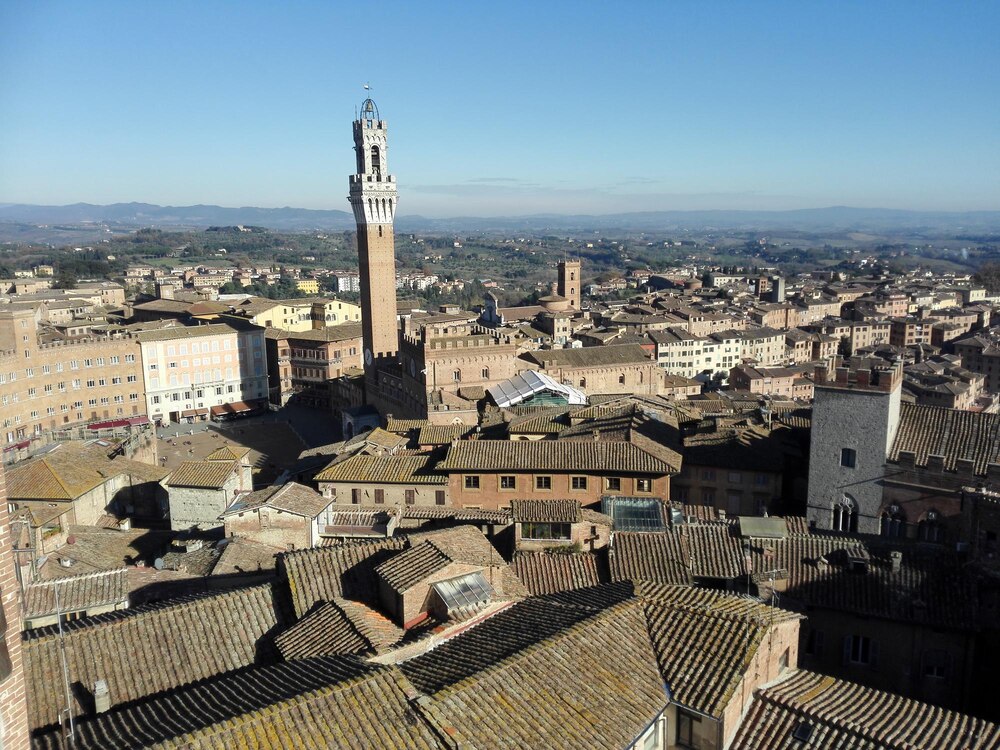
The obvious climb is Torre degli Asinelli, the taller of the famous Two Towers. The steps are narrow and feel endless, but the view over the terracotta roofs and surrounding hills is exactly the mental image people have of Bologna. Booking time slots in advance usually saves a long wait, especially on weekends.
The shorter tower, Garisenda, is no longer climbable, but seeing its lean up close explains why. The area around the towers – especially Via Zamboni and Via Rizzoli – is one of the best for just walking under the porticoes and watching how mixed the city is: students, office workers, families, visitors.
From the towers, walk down Strada Maggiore under some of the most elegant porticoes in town. Small courtyards, old signage and details above eye level are easy to miss when rushing. It’s worth slowing down and using these streets as part of daily routes rather than just “seeing” them once.
Later in the day, Via Ugo Bassi and Via Indipendenza give a different feel – busier, more commercial, with a stronger local shopping vibe and plenty of bars for aperitivo.
San Luca: the long portico walk
The most classic Bologna walk is the portico to San Luca. It starts around Porta Saragozza and runs about 4 km up to the Sanctuary of the Madonna di San Luca, almost entirely under arches. It’s a steady uphill but not technically difficult; thousands of locals do it regularly.
The walk is less about the church at the top and more about the rhythm of it. Early morning or late afternoon works best, especially in warm months. In the heat of midday, it can feel longer than it is, even in the shade.
At the top, the sanctuary itself is fairly simple, but the views over the surrounding hills and back toward the city are worth a pause. On clear days, there’s a real sense of how Bologna sits between the flat plain and the start of the Apennines.
For those not up for the entire walk, a tourist train/bus runs from the center to San Luca. Walking one way and taking transport the other usually works better than skipping the portico entirely.
The Porticoes of Bologna are now a UNESCO World Heritage Site, not just in the historic center but including the long stretch up to San Luca.
Eat properly: what to try and where
Food is the main reason many people choose Bologna, and it generally lives up to the hype. The trick is to focus on a few classics, look for shorter menus, and avoid the most aggressively translated menus right next to the main squares.
Essential Bolognese dishes
First, the basics: tagliatelle al ragù, tortellini in brodo, and lasagne alla Bolognese form the core of the local pasta canon. Ordering “spaghetti bolognese” in Bologna will mostly get confused looks – the sauce is called ragù, and it belongs on fresh egg tagliatelle.
Tortellini in brodo can sound simple – small stuffed pasta in clear broth – but this is one of those dishes that shows whether a kitchen actually cares. When done well, it’s rich, delicate and comforting without being heavy.
Secondi dishes often get skipped, but cotoletta alla Bolognese (a veal cutlet with ham and cheese, usually finished in broth) is typical and far more interesting locally than generic grilled meats. For something snackable, crescentine (fried breads) or tigelle (small flat breads) with cured meats and cheeses are ideal for sharing.
For dessert, keep an eye out for tenerina (dense chocolate cake) or rice cake (torta di riso). Neither is flashy, but both fit the city’s style: straightforward, solid, deeply satisfying when done right.
Where to eat without overthinking
Instead of chasing “best restaurant in Bologna” lists, it usually works better to stick to a few simple filters:
- Short menus focused on regional dishes
- A mix of locals and visitors, not only tourists
- Handwritten daily specials are usually a good sign
- Booking for dinner, especially Thu–Sun
The area around Via delle Pescherie Vecchie and Quadrilatero is ideal for lunch or aperitivo, but dinner there can feel cramped and expensive. Walking 5–10 minutes away from Piazza Maggiore – toward Via Saragozza, Via Mascarella, or small streets off Via Santo Stefano – usually gives more relaxed options.
For something casual, the covered market Mercato delle Erbe is often a good compromise: fresh produce, simple stands, and a few places where it’s possible to grab a plate of pasta or a tagliere of meats and cheeses without committing to a long meal.
Reservations are almost always worth the small effort. Bologna eats late compared to some smaller Italian towns, so a second sitting around 21:00–21:30 is common in popular places.
Explore the university and cultural side
Bologna isn’t just food and porticoes – it’s also home to one of the oldest universities in the world. The student presence keeps the city younger and more alive than many postcard-perfect Italian centers.
Walk along Via Zamboni and its side streets during the late afternoon or early evening to feel that side of the city. Bars spill into the porticoes, conversations happen in a dozen languages, and cheap food joins classic trattorie.
For something more structured, Archiginnasio (the old university building) is a must. The Teatro Anatomico, an old anatomy lecture hall carved in wood, is one of those places that stays in the mind long after the trip is over. The courtyard and staircases, covered with coats of arms, give a sense of how old and serious this institution has been for centuries.
Art-wise, the Pinacoteca Nazionale holds a strong collection of Emilian painting, especially if there’s an interest in medieval and Renaissance works. It’s rarely crowded and offers a quiet couple of hours away from the busier streets.
Markets, side streets and everyday Bologna
To get past the postcard version of Bologna, it helps to visit at least one more local market beyond Quadrilatero. Mercato delle Erbe (already mentioned) is the easiest, but smaller neighborhood markets like Mercato di via Albani or Mercato Ritrovato (a farmers’ market held certain days) show a more everyday side of city life.
Bologna rewards people who like to wander. Streets like Via Santo Stefano, with its long line of porticoes leading to the Basilica of Santo Stefano, have a slower feel than the central shopping arteries. The complex of “Sette Chiese” (Seven Churches) inside that basilica is more atmospheric than many better-known sights.
In the late afternoon and early evening, aperitivo culture kicks in. Areas around Piazza Santo Stefano, Via del Pratello and Via Mascarella fill with people having a drink and small bites. Instead of searching for the “best bar”, choosing a place with a comfortable vibe and staying a while usually works far better.
Good day trips from Bologna
Bologna’s location makes it ideal as a base for short regional trips by train. For those staying more than two or three days, adding one or two of these works well.
- Modena – 25–30 minutes by train. Compact center, balsamic vinegar producers nearby, Enzo Ferrari Museum. Easy half or full day.
- Parma – About 1 hour by train. Known for Parma ham and Parmigiano Reggiano. Elegant, slightly calmer than Bologna.
- Ferrara – 30–40 minutes by train. Walled Renaissance city, flatter and ideal for renting a bike.
- Ravenna – Around 1–1.5 hours by train. Famous for mosaics; different feel from Bologna, more artistic and contemplative.
For food-focused travelers, visits to Parmigiano Reggiano dairies or traditional balsamic vinegar producers near Modena and Parma are often more memorable than big museums. It’s worth booking those ahead with small, serious producers rather than going for the most commercial tours.
Practical tips for enjoying Bologna
Bologna’s center is compact but dense. Walking is the main way to get around, and the porticoes make it manageable in both heat and rain. That said, shoes matter more here than in some flatter, more open cities: there are plenty of cobblestones and long stretches on foot.
Distances are often shorter than they look. From the train station to Piazza Maggiore is about 20 minutes on foot via Via Indipendenza. Once in the center, most key spots are within a 10–15 minute walk of each other.
Summers can get seriously hot. Spring and autumn are the sweet spots for a first visit: still lively, easier to walk during the day, and food feels more enjoyable when it’s not 38°C outside. Winter can be misty and atmospheric, with fewer visitors and a stronger “local” feel.
For accommodation, staying inside or near the ring road (the old city walls) keeps things simple. Closer to Piazza Maggiore is more central and atmospheric; around the train station is more practical for day trips but a bit less charming in the evenings.
Bologna works best when approached slowly: fewer “musts”, more wandering, and a focus on eating well, walking under the porticoes, and watching how the city lives.