
Planning what to do in Naples can feel overwhelming fast: chaotic streets, endless food options, ancient ruins in every direction. The good news is that with a bit of structure, the city becomes surprisingly simple to enjoy. This guide focuses on concrete things to do in Naples that fit into real trip plans, not just postcard highlights. Expect specific places, areas that are actually worth your time, and how to link them together in a day.
Explore the Historic Center (Centro Storico)
The Centro Storico is where Naples really clicks. It’s dense, loud, and full of layered history, but most key sights sit within a short walking radius. Base at least half a day here.
Start on Via dei Tribunali and Spaccanapoli, the two main arteries slicing through the old town. These narrow streets are lined with churches, bakeries, pizzerias, and workshops. Wandering aimlessly here works better than trying to see everything in a strict order.
Inside this area, a few stops are worth making time for:
- Naples Cathedral (Duomo) – Gothic, dramatic, and home to the blood of San Gennaro.
- Sansevero Chapel – Famous for the Veiled Christ sculpture; tickets are timed and sell out, so booking ahead is smart.
- Piazza del Gesù Nuovo – A compact square with two very different churches almost side by side.
The Centro Storico is also where Naples’ street culture hits hardest: scooters threading through people, laundry over alleyways, kids playing soccer in tiny squares. This is normal, not “a special show”. Don’t schedule it to death—allow time to just walk, stop for a coffee, and watch the city move.
The historic center of Naples is a UNESCO World Heritage Site and sits on top of layers of earlier Greek and Roman cities, some of which are still visible underground.
Go Underground: Tunnels, Catacombs and Subterranean Naples
Under the chaotic streets sits a whole second city. The underground sites are some of the most memorable things to do in Naples, especially on hot or rainy days.
Napoli Sotterranea and Underground Tours
Napoli Sotterranea (Naples Underground) is usually the first pick. The standard tour takes you through ancient Greek-Roman cisterns, narrow tunnels, and World War II shelters. It’s guided, about 1.5 hours, and starts right in the historic center.
Another option is the Galleria Borbonica (Bourbon Tunnel), beneath the Chiaia area. This one focuses more on 18th–19th century tunnels and wartime shelters. It feels less claustrophobic and tends to be slightly less crowded than Napoli Sotterranea.
Underground tours often involve stairs and narrow passages. Not ideal for anyone with mobility issues or strong claustrophobia. For those who can handle it, this adds a completely different dimension to the city: aqueducts, secret tunnels, and the reality of war shelters right under the modern streets.
Catacombs and Early Christian Naples
For something slower and more spacious, head to the Catacombs of San Gennaro in the Rione Sanità neighborhood. These early Christian burial sites are surprisingly airy and extensive, carved into the tufa rock.
The guided visit covers early Christian art, burial traditions, and how this area ties into Naples’ patron saint. Compared to the more dramatic underground tunnels, the catacombs feel almost peaceful.
The same ticket usually includes entrance to the nearby Catacombs of San Gaudioso. Rione Sanità itself is a neighborhood worth a short walk: once considered off-limits, it’s now becoming more visited while still very local.
Eat Seriously Good Neapolitan Food
Naples is one of those cities where food isn’t an “extra”; it’s the main program. Planning what to eat is as important as deciding which museums to visit.
Pizza: Where and How to Do It Right
Neapolitan pizza is a big reason many people come here. The classic style has a soft, chewy crust, light center, and simple toppings. Two things matter most: where you go and when.
Famous names like Da Michele, Sorbillo, and Di Matteo draw long lines, especially at peak times. They’re popular for a reason, but there are excellent, less-hyped places too. In many cases, a smaller, family-run pizzeria a few streets away will serve pizza that’s just as good with a shorter wait.
Useful habits:
- Eat pizza for lunch or an early dinner to dodge the biggest queues.
- Stick to classics: Margherita or Marinara. These show the dough, the sauce, and the cheese at their best.
- Expect to eat the whole pizza alone. Neapolitan pizzas are individual, not shared.
Prices are surprisingly reasonable compared to other big Italian cities. A proper Margherita can still cost under €7–€8 in many places.
Street Food and Quick Bites
Naples does street food very well, especially if there’s no time for a sit-down meal between sights. Some staples:
- Pizza a portafoglio – Folded pizza to go.
- Frittatina di pasta – Deep-fried pasta balls with béchamel and meat, very filling.
- Cuoppo – Paper cones of fried seafood or mixed snacks.
- Sfogliatella and babà – Classic Neapolitan pastries.
Good spots are scattered through the Centro Storico, the Spanish Quarter, and around Via Toledo. Eating on the street here isn’t a tourist act—it’s how plenty of locals handle everyday meals.
Hit the Waterfront and Castles
When the old town starts to feel too intense, the waterfront is the reset button. The vibe shifts immediately once the sea is in view.
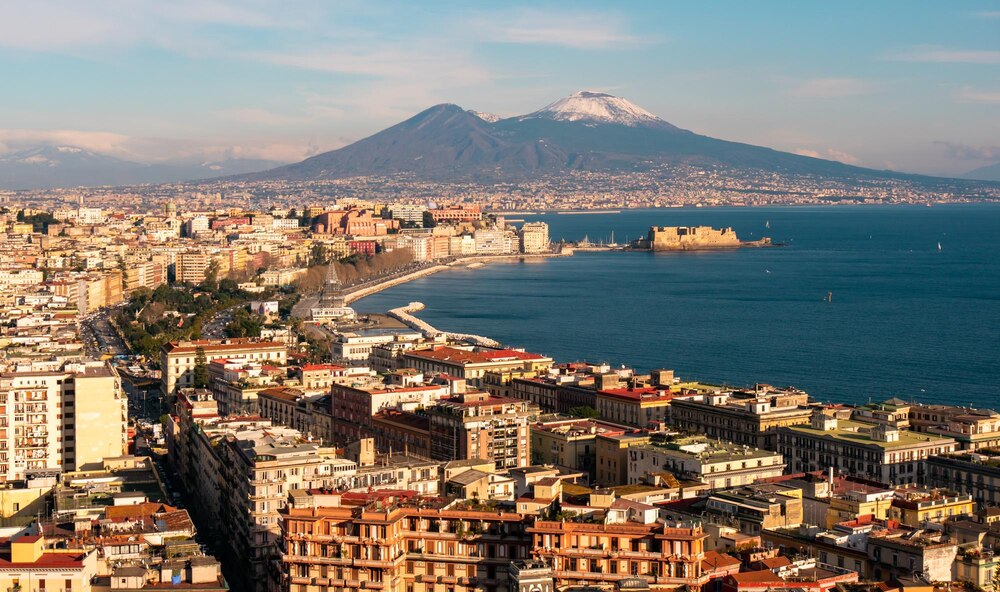
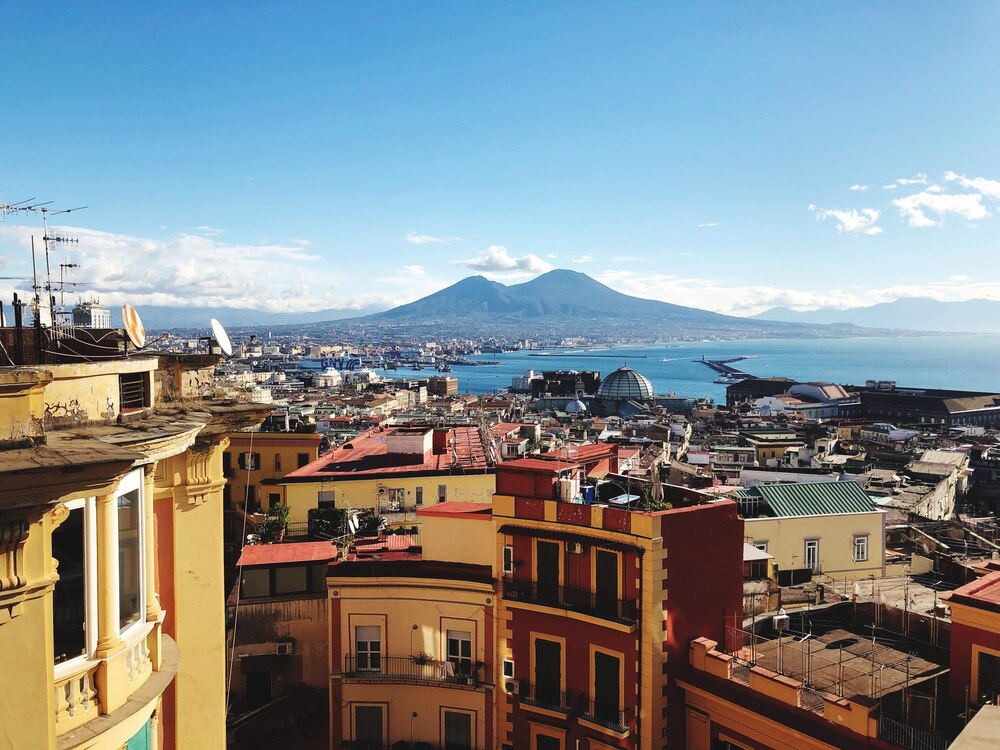
Start from Castel dell’Ovo, the small castle on a little peninsula. The walk out there offers one of the best classic views of Naples with Vesuvius in the background. The castle itself is more about the views and atmosphere than exhibits, and access is usually free.
From there, walk along the seafront promenade toward Via Caracciolo. This stretch is popular at sunset, with locals strolling, kids on bikes, and fishermen along the rocks. It’s an easy, flat walk that balances the steep, chaotic parts of Naples.
Further inland sits Castel Nuovo (Maschio Angioino), near the port. It’s more imposing from outside than it is compelling inside for casual visitors, but it anchors the main square and lends the area a strong medieval feel.
Visit the Museums: Archeology and Royal Splendor
Naples has museums that actually reward the time spent indoors, especially on days when the weather is too hot or rainy.
The standout is the National Archaeological Museum of Naples (MANN). Many of the finest finds from Pompeii and Herculaneum aren’t at the ruins; they’re here. Frescoes, mosaics, statues, everyday objects—this is where the detail of ancient life really comes into focus.
For anyone heading to Pompeii or Herculaneum, visiting MANN either before or after the ruins makes the whole experience feel more complete. Plan at least 2–3 hours, more if archeology is a main interest.
Another solid stop is the Royal Palace (Palazzo Reale) in Piazza del Plebiscito. The interior is all about grand staircases, painted ceilings, and period rooms. It pairs nicely with a walk in the nearby Galleria Umberto I and a coffee at the historic cafés around the square.
Take Day Trips: Pompeii, Herculaneum and the Islands
One of Naples’ biggest advantages is how much sits within easy reach. With a few days in the city, dedicating at least one or two to day trips is worth it.
Pompeii vs Herculaneum
Pompeii is larger, more famous, and usually more crowded. It delivers the “lost city” feeling and takes at least a half day, although a full day is easy to fill. The site is exposed and can be very hot; early morning or late afternoon works best.
Herculaneum (Ercolano) is smaller but in many ways better preserved. More upper floors survive, and some wooden details and vibrant colors are still visible. It suits anyone who wants something more compact while still impressive.
Both are reachable by the Circumvesuviana train from Naples. Doing both in one day is technically possible but usually ends up rushed. One major site per day gives more time to actually take things in rather than sprinting through ruins.
Capri, Ischia and Procida
For sea-focused days, ferries from Naples reach several islands:
- Capri – Glamorous, busy, and often expensive, but stunning views and high-end feel.
- Ischia – Larger, more relaxed, known for hot springs and beaches.
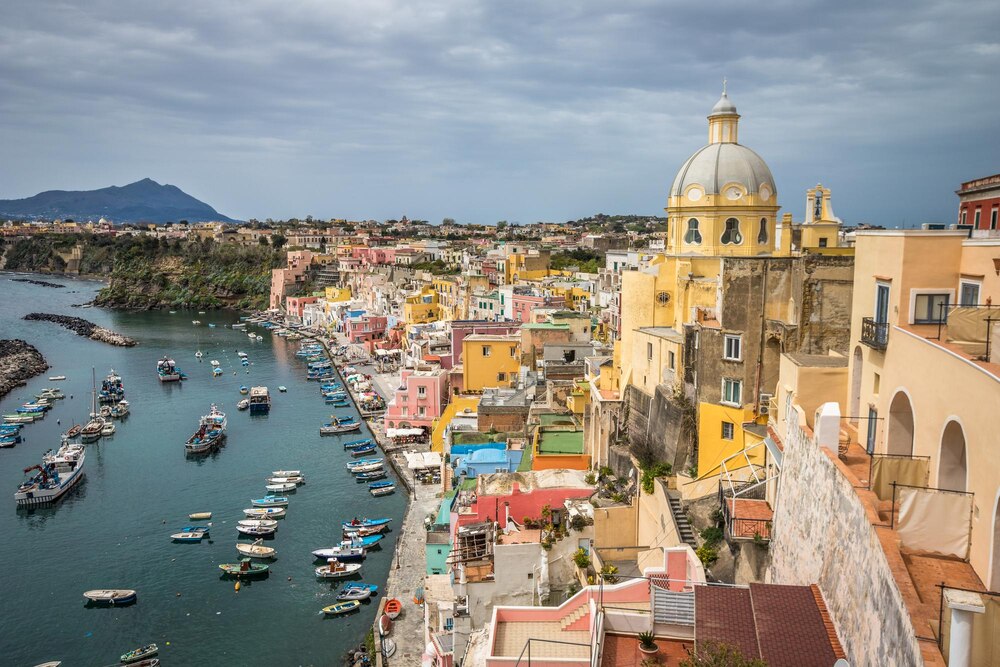
- Procida – Small, colorful, and still relatively low-key compared to Capri.
Ferries leave from Molo Beverello and Porta di Massa. Booking ahead in peak season helps, especially for Capri. A day trip works for a first taste, but anyone with more time could easily spend a few nights on Ischia or Procida and use Naples as the urban base.
Walk the Spanish Quarter and Vomero
The Spanish Quarter (Quartieri Spagnoli) rises directly above Via Toledo. This neighborhood used to be ignored by visitors; now it’s full of street art, tiny trattorias, and a growing number of B&Bs. It’s still dense and gritty, but much friendlier than its reputation from decades ago.
For sweeping city views, head up to Vomero, the hill neighborhood above central Naples. The Castel Sant’Elmo and Certosa di San Martino offer some of the best panoramas over the bay and the historic center, especially toward sunset.
Getting there is easy: use one of the funiculars instead of climbing. Riding up, walking around Vomero’s more relaxed streets, then watching the city from above puts Naples’ chaos into perspective in the best way.