
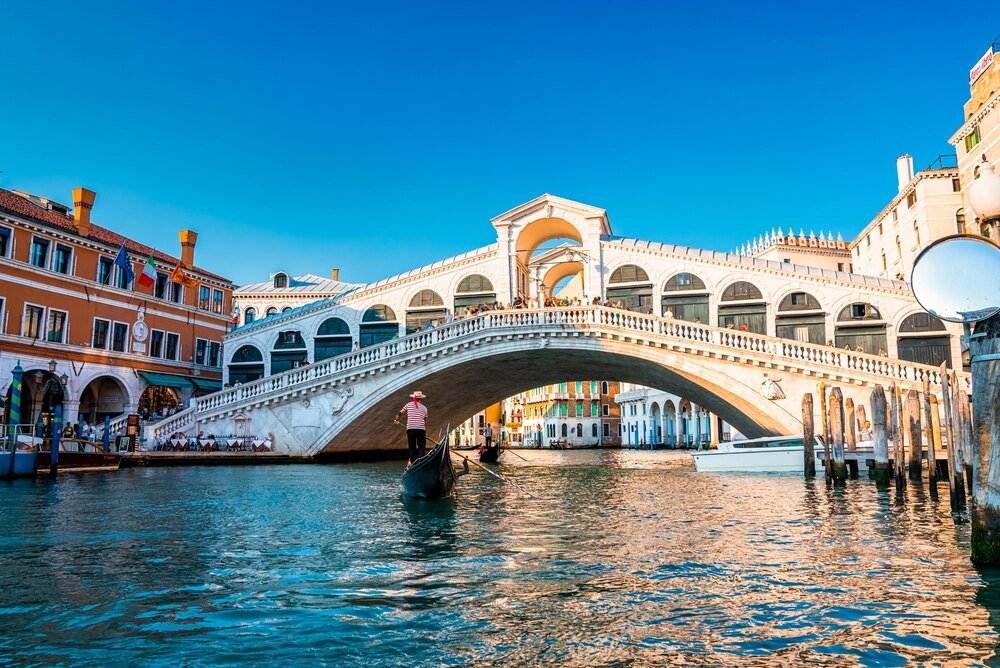
Planning what to do in Venice can feel overwhelming: too many canals, churches, islands, and crowds packed into a tiny space. The good news is that Venice becomes manageable once the visit focuses on a few smart areas and time slots. This guide lays out specific, realistic things to do that fit into a short stay and still feel like real Venice, not just the tourist conveyor belt. Expect a mix of must‑see highlights and quieter corners where Venice actually breathes.
Walk the core: San Marco and the surrounding area
Yes, it is crowded. Yes, it is worth it. The San Marco area is the visual stereotype of Venice for a reason, and skipping it would feel odd on a first visit.
Start early. Being in Piazza San Marco by 8:00–8:30 changes everything: fewer tour groups, softer light, and space to walk without dodging selfie sticks. The square, the Basilica, and the Doge’s Palace are all clustered together, so this part of the day flows naturally.
Inside St. Mark’s Basilica, the queue builds fast. Pre-booking a timed ticket is almost mandatory in high season. Focus on the golden mosaics, the main nave, and the view from the upper terrace over the square. The terrace alone justifies the effort.
Next, the Doge’s Palace (Palazzo Ducale). The standard visit includes the prison and the famous Bridge of Sighs, which always looks smaller in real life but still hits once knowing it was the last glimpse of Venice for many prisoners. For anyone who likes detail and a slightly darker side of history, the “Secret Itineraries” tour is more interesting than the basic ticket.
Venice’s political power once rivaled major European capitals, and the Doge’s Palace functioned as a combined government HQ, court, and residence for centuries.
After leaving the palace, step out to the waterfront (Riva degli Schiavoni) for the classic view towards San Giorgio Maggiore. It will be busy, but this is the postcard shot people imagine when thinking of Venice, so spending a few minutes here makes sense.
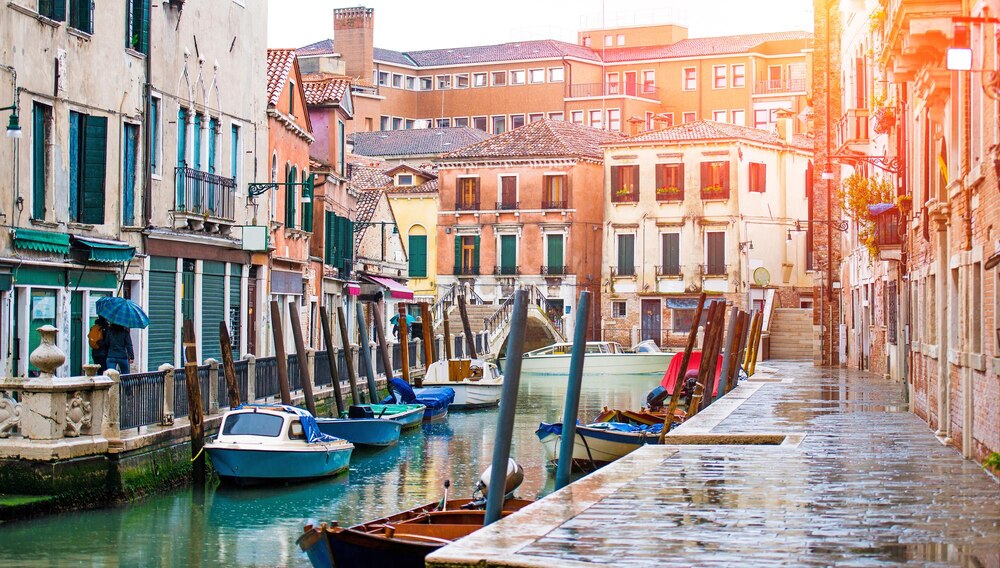
Ride the water: Vaporetto, gondola, and alternative boats
Being on the water is non‑negotiable in Venice. The choice is between public transport, tourist gondolas, and a few cheaper alternatives.
Grand Canal by vaporetto
The vaporetto (water bus) is the most useful tool in Venice, not just a tourist gimmick. Line 1 runs slowly along the Grand Canal, stopping at almost every pier. Board near Piazzale Roma or the train station and ride all the way to San Marco. Sitting or standing at the front or the back of the boat gives a surprisingly cinematic view of palaces sliding by.
A single ticket is expensive, so for anyone planning to ride more than twice in a day, a 24‑hour or 48‑hour transport pass usually works out cheaper and less stressful than buying single rides repeatedly.
Gondolas vs. traghetti
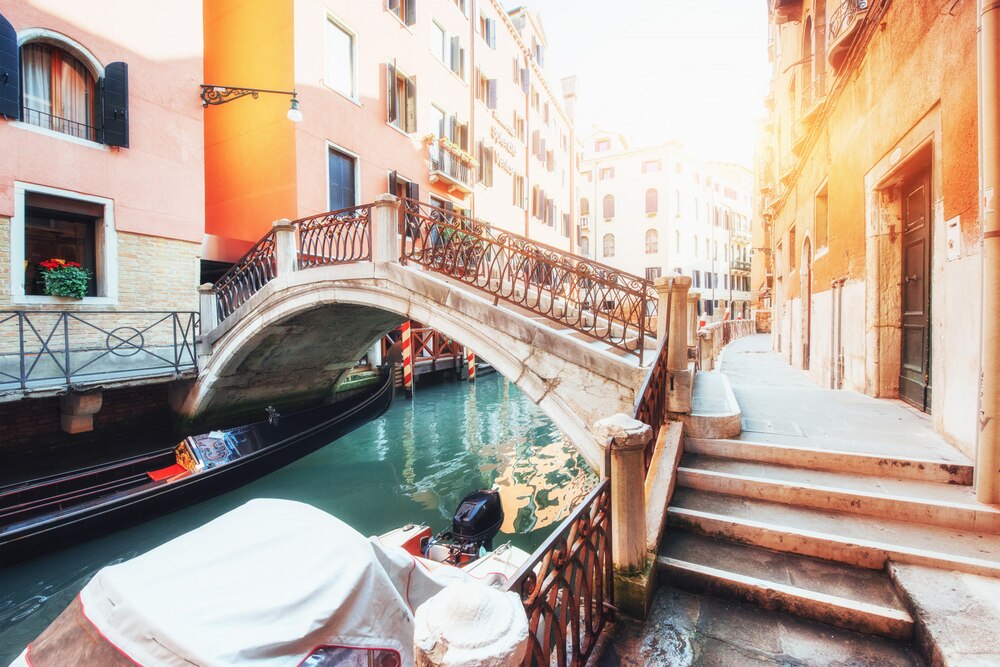
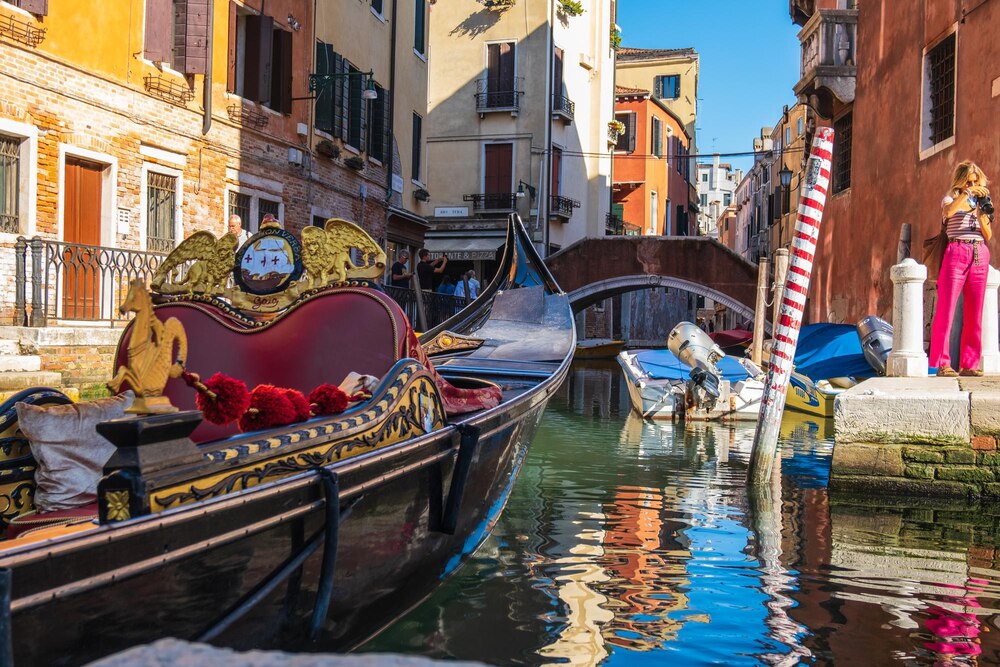
Gondolas are expensive, and the price is fixed city‑wide, so haggling does nothing. For many visitors, doing it once at sunset along a quieter canal feels special enough to justify the cost. Ask the gondolier to avoid the absolute busiest portions of the Grand Canal and focus on side canals for more atmosphere and fewer motorboats.
For a super short and cheap gondola-like experience, use a traghetto. These are simple gondola ferries that cross the Grand Canal at a few specific points. Locals stand, tourists cling to the rails, and the ride takes about a minute, but it gives that “low to the water” perspective for a fraction of the gondola price.
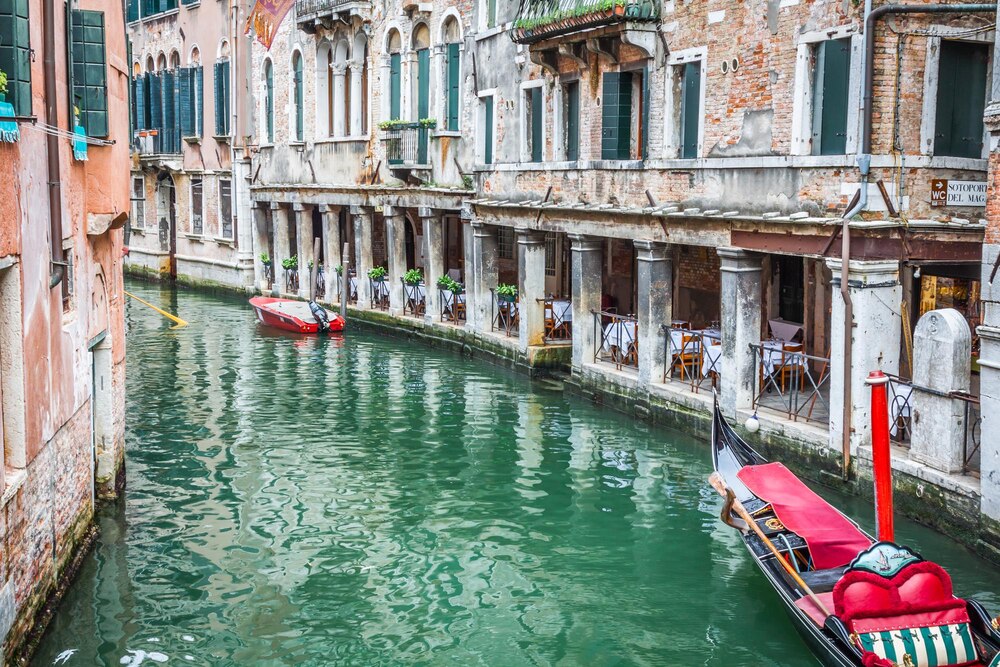
Explore neighborhoods: Cannaregio, Dorsoduro, Castello
Once the landmarks box is ticked, the real charm sits in Venice’s neighborhoods. The good news: walking distances are small, and getting lost a bit is almost part of the experience.
Cannaregio and the Ghetto
Cannaregio stretches north of the train station and feels more lived‑in than San Marco. It is a good area for evening walks and casual meals without inflated prices.
The Jewish Ghetto (Ghetto Ebraico) is historically important and surprisingly quiet. The square is calm, with synagogues, a museum, and a small cluster of kosher restaurants and bakeries. A guided visit to the synagogues helps put the area into context; otherwise, it risks feeling like just another pretty square.
Canals here are wide and open, so sunset reflections can be impressive, especially around Fondamenta della Misericordia and Fondamenta dei Ormesini. These waterfronts are lined with bars and small restaurants, popular with locals and younger crowds.
Dorsoduro and Zattere
Dorsoduro is ideal for anyone wanting culture plus a slower pace. The Gallerie dell’Accademia holds major Venetian paintings, while the Peggy Guggenheim Collection covers modern art in a compact, very digestible setting.
After museum time, walk to the Zattere promenade facing the Giudecca Canal. It is spacious by Venetian standards and sunny for much of the day, with great spots for a coffee or gelato. The atmosphere is noticeably more relaxed here than around San Marco.
Castello backstreets
East of San Marco, Castello shifts from touristy to residential over just a few bridges. Keep walking past the tail end of the crowds and the tone changes: laundry across the alleys, kids playing football in hidden campi (squares), older residents sitting on benches chatting.
The Arsenale area, once the center of Venetian shipbuilding, now hosts parts of the Biennale art exhibitions. Even outside Biennale season, wandering around the walls and the wide basin feels different from the tight inner canals.
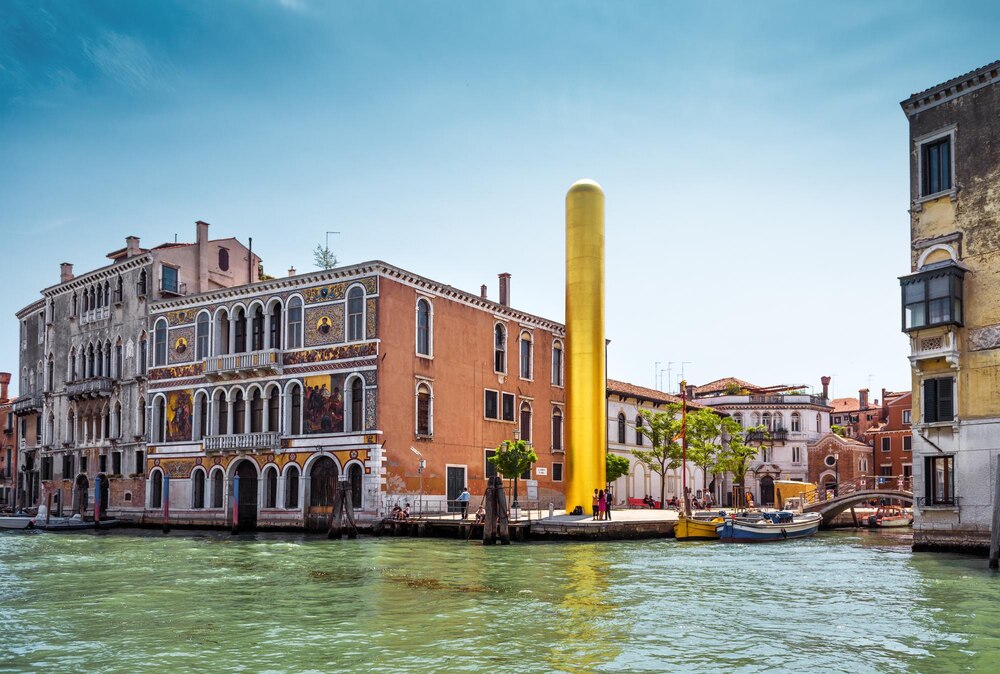
Churches, views, and hidden corners
Venice has more churches than anyone can count in one trip, so a bit of selectivity helps. Some are tourist magnets, others practically empty.
- Santa Maria della Salute – Iconic from the outside, sitting at the mouth of the Grand Canal. Climb the steps, walk around, and then cross to the Punta della Dogana for wide views across the water.
- San Giorgio Maggiore – The island opposite San Marco. A short vaporetto ride leads to one of Venice’s best viewpoints: the bell tower. The view back to the Doge’s Palace and the basin is hard to beat.
- Frari Church (Santa Maria Gloriosa dei Frari) – A bit inland in San Polo, full of art and tombs (including Titian’s). Less rushed, more meditative atmosphere.
- San Zaccaria – Close to San Marco but oddly less busy, with a beautiful Bellini altarpiece.
For hidden viewpoints, rooftops work well. The most famous is the Fondaco dei Tedeschi terrace near the Rialto Bridge. Booking a free time slot online avoids waiting, and the short visit gives a rare 360° city view.
Venice has almost no tall modern buildings, so even modest bell towers and rooftop terraces feel like skyscrapers compared to the low, compact cityscape below.
Islands beyond the main city: Murano, Burano, Torcello
Leaving the main islands for half a day shifts the pace completely. The lagoon is as much a part of Venice as the canals.
Murano: Glass and workshops
Murano is closest, about 15–20 minutes by vaporetto. It is known for glass, but randomly dropping into any “factory” tends to lead to rushed demos and over‑priced showrooms. A better approach is choosing one or two reputable glass workshops or museums in advance and ignoring touts at the vaporetto stop.
The Murano Glass Museum (Museo del Vetro) is small but useful for understanding what makes real Murano glass special. The island’s canals are wider and calmer, so a slow loop on foot works well between visits.
Burano and Torcello: Color and silence
Burano is further out, about 40–45 minutes by boat from Venice (or via Murano). The colored houses are no secret, and the island gets busy in the middle of the day, but early morning or late afternoon still feel almost village‑like.
Beyond photos, Burano is known for lace. Traditional lace‑making is slower and more expensive than mass‑produced versions; small workshops that show the process are worth prioritizing over souvenir stands with suspiciously cheap lace.
From Burano, a short hop leads to Torcello. The island is quiet, with more nature and much fewer buildings. The main draw is the Cathedral of Santa Maria Assunta with its golden mosaics and the option to climb the bell tower. Torcello works best for those who like a peaceful walk away from crowds.
Eating and drinking in Venice without getting burned
Venice has a reputation for tourist traps, but eating reasonably well is definitely possible with a bit of strategy.
- Avoid places with aggressive hosts waving menus on the main alleys and around San Marco.
- Check for a short, focused menu rather than endless pages in five languages.
- Look at where Venetians actually stand or sit – especially in bàcari (traditional bars).
- Expect a small “coperto” (cover charge) per person when sitting; it is standard in most of Italy.
For snacks and light meals, seek out cicchetti: bite‑sized pieces of bread with toppings, fried seafood, meatballs, and other small plates, usually eaten standing at the bar with a glass of wine or a spritz. This is both cheaper and more flexible than full restaurant meals three times a day.
Typical drinks include the Spritz (Aperol, Select, or Campari with prosecco and soda) and local white wines from the Veneto region. Ordering a “ombra” (small glass of house wine) at a bar is part of local ritual, especially in the late afternoon.
Practical tips to make Venice easier
Venice looks compact on a map but behaves differently from a normal city. A few habits make days smoother and help avoid minor annoyances.
- Timing: Early morning (before 9:00) and evening (after 19:00) are the most pleasant times in the old center.
- Luggage: There are stairs at almost every bridge. Traveling light or using a backpack instead of rolling suitcase saves energy fast.
- Footwear: Comfortable shoes beat anything fancy; surfaces are uneven and there is more walking than most people expect.
- Seasonal issues: In late autumn and winter, acqua alta (high water) can flood some areas. Raised walkways appear and apps show tide forecasts, so it is more about inconvenience than danger.
Getting lost is almost guaranteed at some point. That is part of Venice, not a failure in navigation. The city is small enough that following street signs to “Rialto” or “San Marco” will eventually reorient any wanderer.
With a clear plan for a few key activities and a bit of room for getting pleasantly sidetracked, Venice shifts from confusing maze to one of the most walkable, memorable cities in Europe.